
 KOR
KOR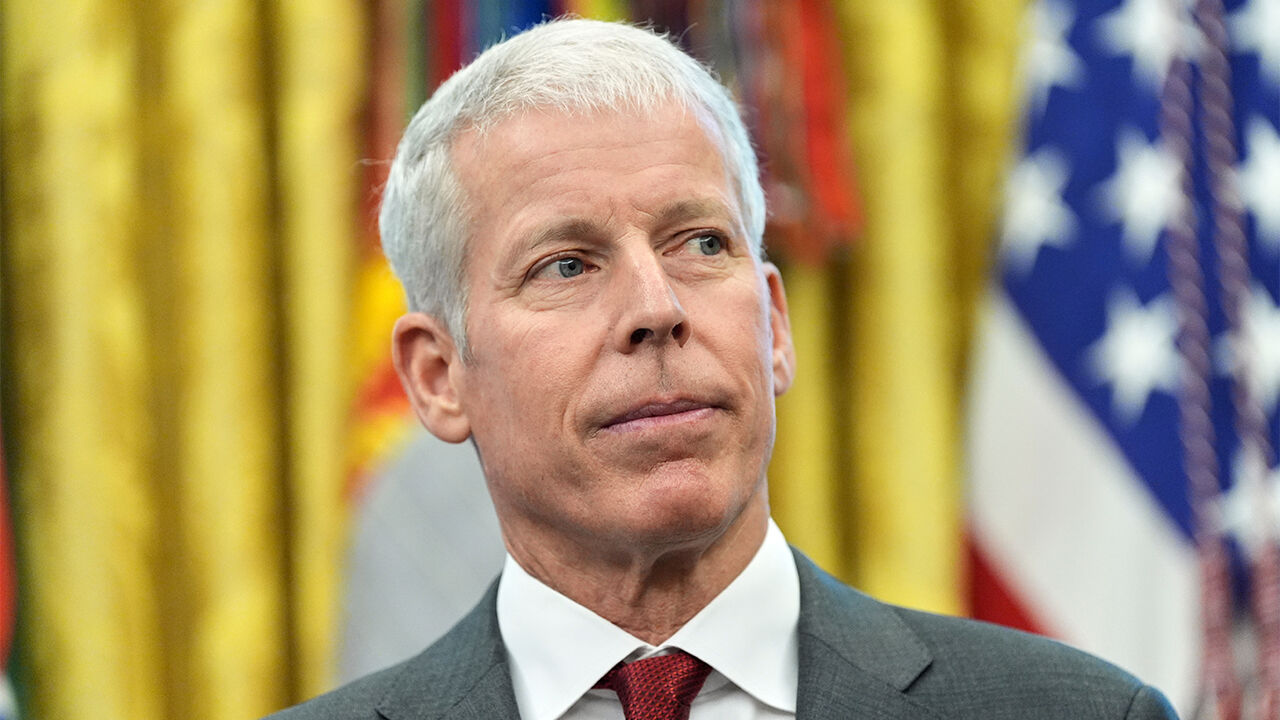
▲ U.S. Secretary of Energy Chris Wright
U.S. Secretary of Energy Chris Wright projected on the 4th (local time) that domestic diesel prices in the United States will fall below $6 a gallon following the release of diesel reserves by European nations.
Appearing on CBS, Wright described the Group of Seven (G7) agreement—centered on major European countries releasing 100 million barrels of diesel and crude oil reserves over the next four months—as a "very big step" and made these remarks.
Wright emphasized, "(Europe) naturally holds large reserves (for emergencies) because they do not refine enough diesel to supply their own economy. They very much want U.S. diesel to continue flowing into Europe. They have a lot of diesel in reserve. There is no reason not to release some of it."
He noted that news of Europe's strategic reserve release has already dropped U.S. diesel prices by more than 20 cents a gallon, forecasting, "Before long, we will see it drop below $6 (a gallon)."
He added, "This not only lowers diesel prices in the United States, but lowers diesel prices in Europe and around the world. It will lower diesel prices in the U.S. and globally throughout the winter," and mentioned that as refinery operations also increase during that time, "we will continue to see diesel prices fall into next spring."
When asked whether President Donald Trump's pressure tactics—threatening to ban U.S. diesel exports—played a key role in driving the G7 agreement, Wright replied that it "may have been quite helpful in bringing about the agreement that was just concluded (the G7's release of reserves)."
President Trump has repeatedly stated that he could ban diesel exports, while Wright and the U.S. refining industry had taken a stance advising against it.
It has been reported that the Trump administration recently issued an ultimatum to Europe, warning that it would ban U.S. diesel exports if Europe failed to release its strategic petroleum reserves.
Wright projected that the downward trend in prices will continue, citing "increasing energy supplies coming through the Strait of Hormuz," as well as the fact that "U.S. gasoline production is currently at an all-time high, and gasoline demand has begun to decline with the end of the peak summer driving season."
However, when asked if there is any guarantee that an "October Surprise"—in which Iran heightens military tensions this month ahead of the U.S. midterm elections (November 3) to drive up energy prices—will not occur, he replied, "There are no guarantees."
Regarding the possibility of an escalation of war with Iran in November when the third U.S. carrier strike group arrives in the Middle East, he said, "The President always plans for contingencies and is always negotiating."
(Photo: AP, Yonhap News)
※ Please note: This article was translated by AI and may contain errors.


 Video News
 Video News
 Video News
 Video News
 Video News