
 KOR
KOR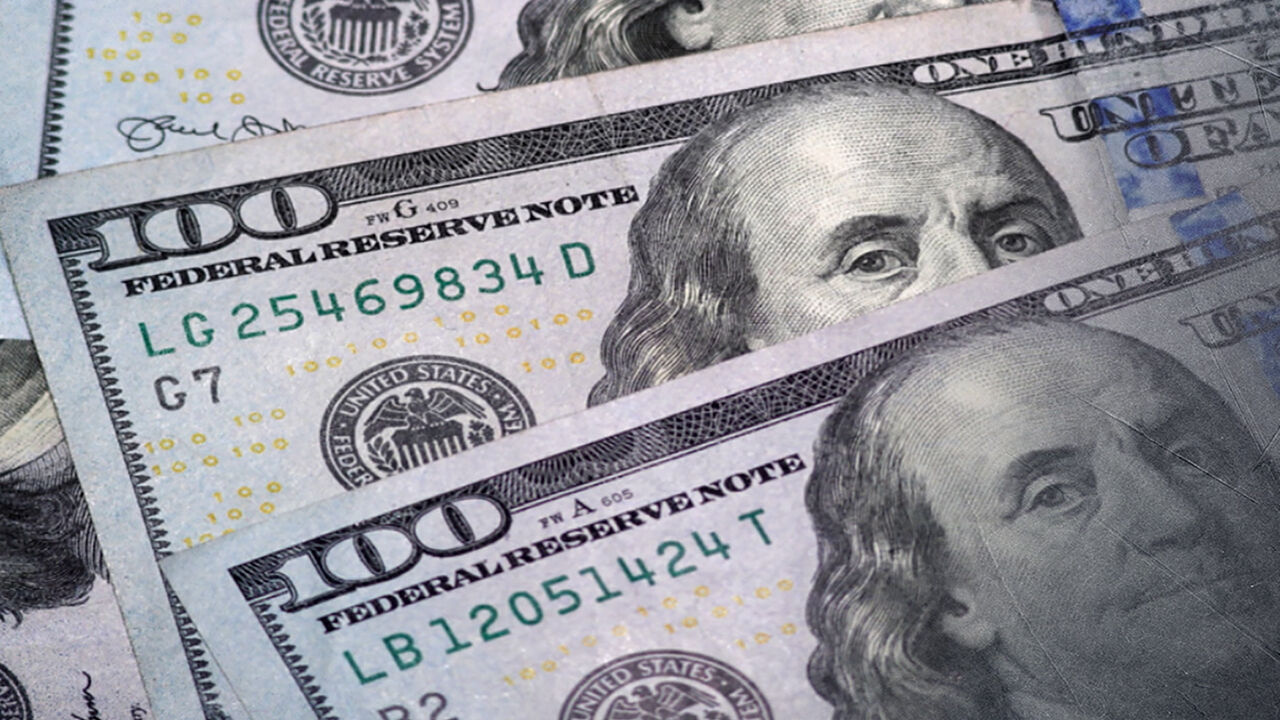
▲ US Dollar
The top three exchange-traded funds (ETFs) in terms of return rates listed domestically in the third quarter of this year were all inverse leveraged products, or "gobars" (inverse 2X), which bet double on the decline of the US dollar.
According to the Korea Exchange on October 4, the ETF with the highest return rate among those listed domestically from June 1 to September 30 was the KODEX US Dollar Futures Inverse 2X at 22.76%.
This was followed closely by the TIGER US Dollar Futures Inverse 2X and the KIWOOM US Dollar Futures Inverse 2X, which took second and third places with 22.49% and 22.39%, respectively.
All three products are ETFs that track -2 times the daily fluctuation rate of the US dollar futures index traded on the Korea Exchange.
In other words, they are inverse leveraged products that bet double on the decline of the dollar, indicating that products betting on dollar weakness generated high returns amid the declining won-dollar exchange rate trend in the third quarter.
The US dollar futures index fell 9.91% from 1,685.61 on June 1 to 1,518.50 on September 30.
During the same period, the won-dollar exchange rate dropped from 1,350.3 won to 1,352.8 won based on the closing price of the Seoul foreign exchange market's daytime trading session (3:30 PM).
On September 9, it finished trading at 1,336.10 won, falling to its lowest level since October 4, 2024, based on the Seoul regular market session.
However, since mid-September, the dollar has been on an upward trend again due to a combination of factors including high oil prices, rising US Treasury yields, and the Bank of Japan (BOJ)'s benchmark interest rate hike.
The won-dollar exchange rate rose to 1,383.3 won on September 18.
Accordingly, the KODEX US Dollar Futures Inverse 2X climbed to 5,705 won on September 9 before entering an overall downward trend and declining to 5,575 won on October 2.
Experts forecast that the won-dollar exchange rate will show an upward direction for the time being.
A foreign exchange expert said, "Upward pressure on the won-dollar exchange rate is dominant due to the global dollar strength and the continued net selling of domestic stocks by foreign investors," adding, "As the deadlock in US-Iran negotiations and geopolitical risks stimulate risk-aversion sentiment, upward pressure could intensify if foreign investors expand their stock sales."
Jung Yong-taek, a researcher at IBK Securities, projected, "Factors for the won's strength and weakness are confronting each other with clear persuasiveness, but the weight is gradually shifting toward the weakness factors, where external instability plays a major role, and the exchange rate will unfold into an upward trend again."
※ Please note: This article was translated by AI and may contain errors.




 Video News
