
 KOR
KOR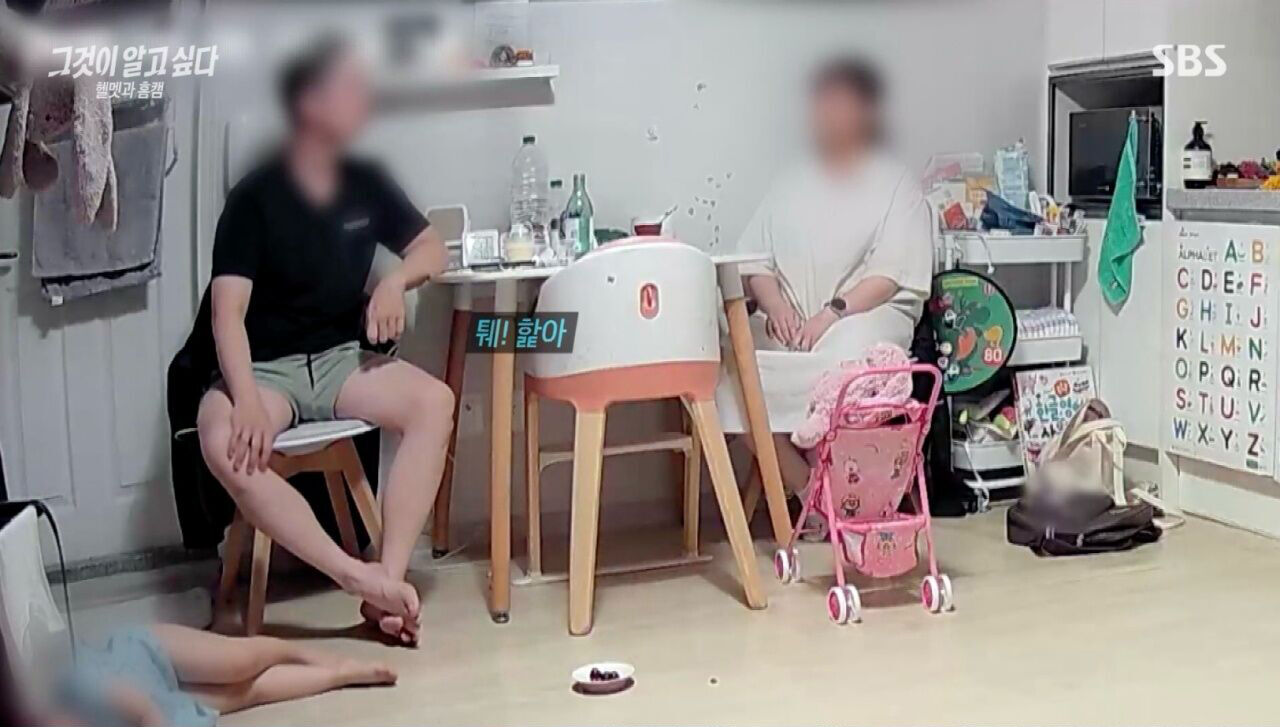
SBS's investigative program "Unanswered Questions," which aired yesterday on October 3, tracked the murder case involving a civil servant in Gwangju.
On September 1, at a multi-family residential building in Gwangju, Gyeonggi Province, a woman was brutally killed while leaving home to take her 5-year-old child to daycare. The person who indiscriminately attacked the woman in front of her young daughter was none other than her husband, identified by his surname Yeom.
Wearing a helmet and lying in wait on the stairs, he stabbed the 34-year-old victim, Park Eun-ah, as many as 28 times with a weapon, and then fled on the motorcycle he had arrived on.
Yeom, a civil servant in the fifth year of marriage, was apprehended just four hours after fleeing. His acquaintances speculated that it was an accidental, impulsive crime driven by sudden divorce proceedings, saying, "He had never shown a violent side before. We wondered if something we didn't know about made him lose his mind."
Yeom also claimed that he committed the crime due to stress caused by the divorce lawsuit.
Eun-ah's family had also never anticipated that Yeom would commit murder. To find out why he carried out such a heinous act, Eun-ah's younger brother searched for a USB flash drive that Eun-ah had previously gathered as evidence for the divorce. With great difficulty, her brother managed to locate the USB drive in Eun-ah's home.
Over 4,000 home camera files were stored on the USB drive. In addition, around 600 voice recordings remained on her phone. After reviewing the home camera footage alongside the production crew, Eun-ah's brother drew attention by saying, "Strangely, I don't feel angry. I just feel so sorry for my sister."
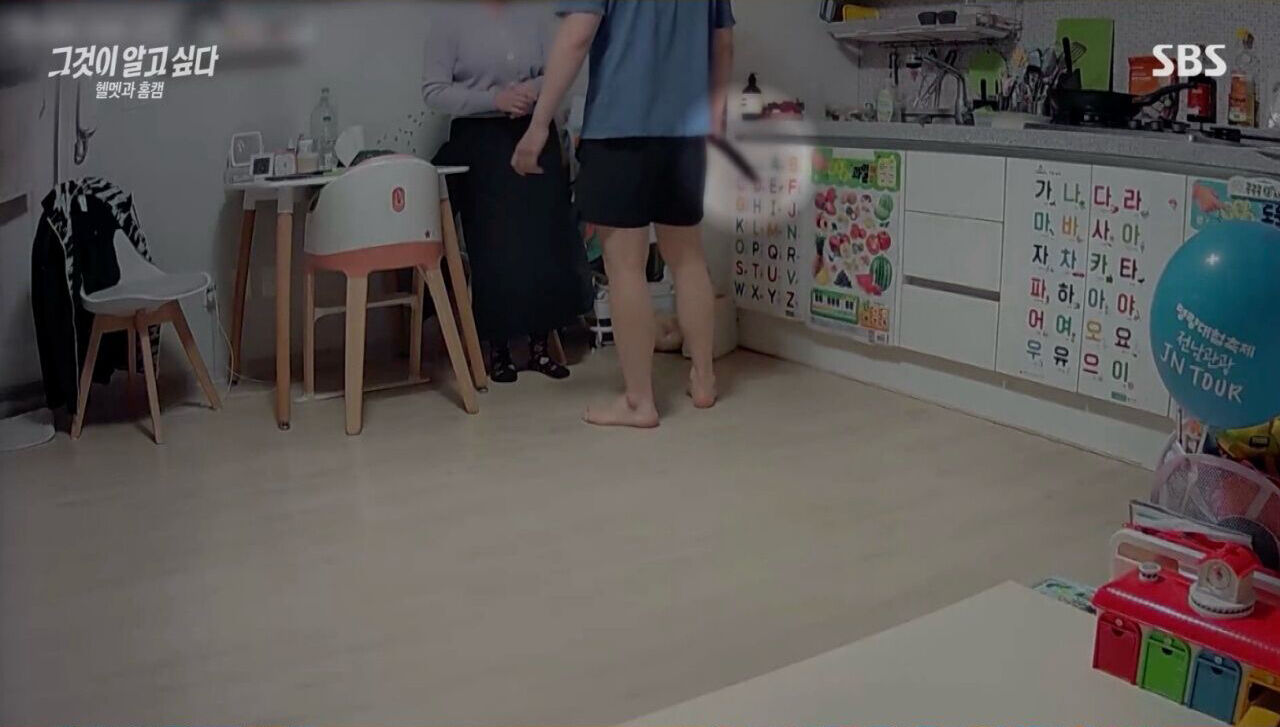
In the home camera videos, Yeom was completely different from how his acquaintances described him. He constantly vented his frustration at the victim over financial matters. In particular, he obsessively fixated over just a few thousand or a few hundred won, hurling verbal abuse and threatening the victim.
The victim secretly reported him to the police, and with police assistance, she was barely able to be separated from Yeom along with the child. Furthermore, after Yeom was taken away by police officers, the victim returned home, erased all clues remaining on Yeom's phone that could track her whereabouts, and escaped.
However, the victim's residential address was subsequently exposed on the divorce complaint served to Yeom, leading him to directly track down the victim and brutally kill her.
The two had met through a social gathering, dated, and started a family after having a child. Yeom stopped holding back his grievances as soon as the victim went on parental leave. This escalated into monetary disputes, with Yeom talking about marriage and childbirth as if they were someone else's business, claiming that getting married was a mistake in the first place and blaming everything on the victim.
Yeom, who habitually drank after work, picked fights over non-issues, hurled verbal abuse, and on one occasion even threatened the victim with a weapon. The victim visited a police station for counseling. At the time, the police recommended filing a formal report, but the victim only sought counseling. This was presumed to be an act of consideration toward Yeom, who was deeply attached to his status as a civil servant.
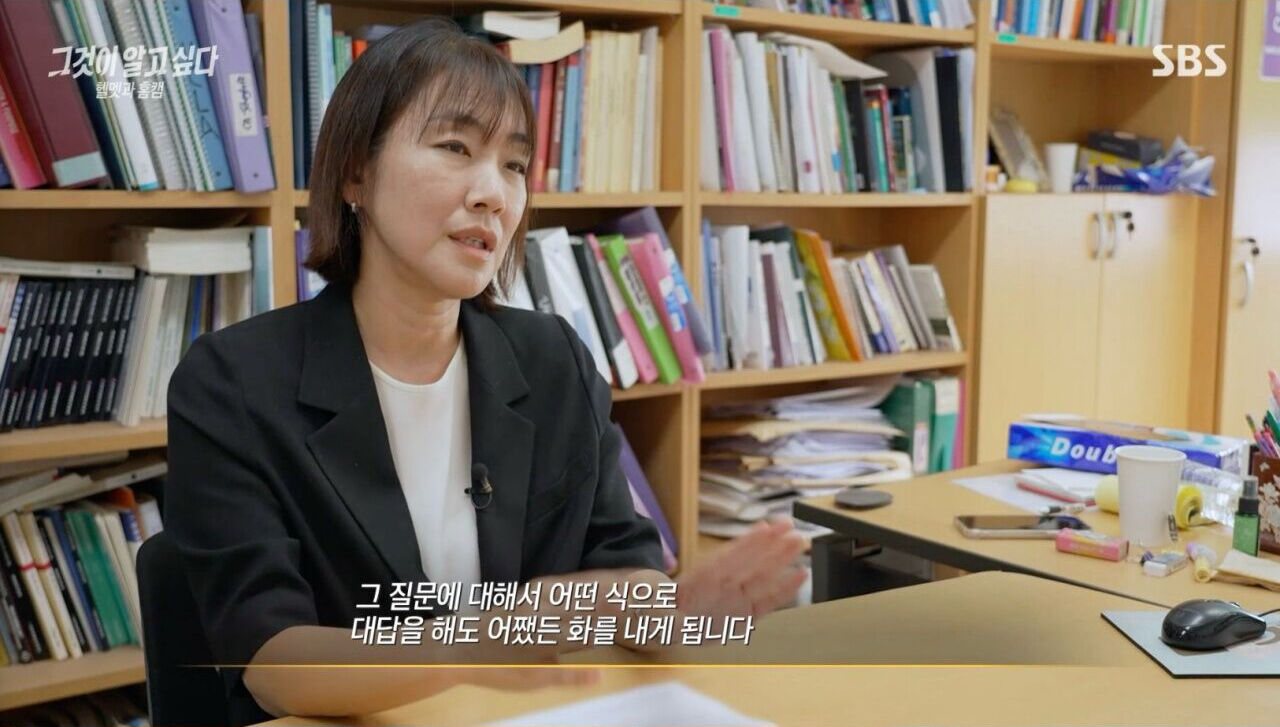
Regarding their arguments, an expert analyzed: "It begins with small, specific matters, and he directs questions at the victim, getting angry no matter how she answers. The questions have predetermined answers, and he is merely venting his anger on the victim. The victim just listens to it; it is a one-sided venting of rage by the perpetrator."
The expert also pointed out, "He is constantly calculating profit and loss, and among the sacrifices he mentions, money makes up the largest share. The perpetrator seems to have viewed marriage as a contract rather than an act of love." In fact, Yeom claimed he had gained nothing from the marriage and blamed everything on the victim.
The expert analyzed: "Their conversations were one-sided. The perpetrator alone would spiral out of control, yell verbal abuse, and dig around for excuses to humiliate the other person. And the victim patiently endured this, likely because of the child."
Yeom was said to have been a good father only to his child. However, one day during an argument with the victim, when the child started crying, he irritably threw the child onto the floor and even slammed the door shut. When the child began crying intensely, Yeom slammed the child onto the floor once again. Seeing Yeom inflicting harm on the child, the victim could no longer endure it, gathered great courage, and called the police. This incident also influenced her decision to seek a divorce.
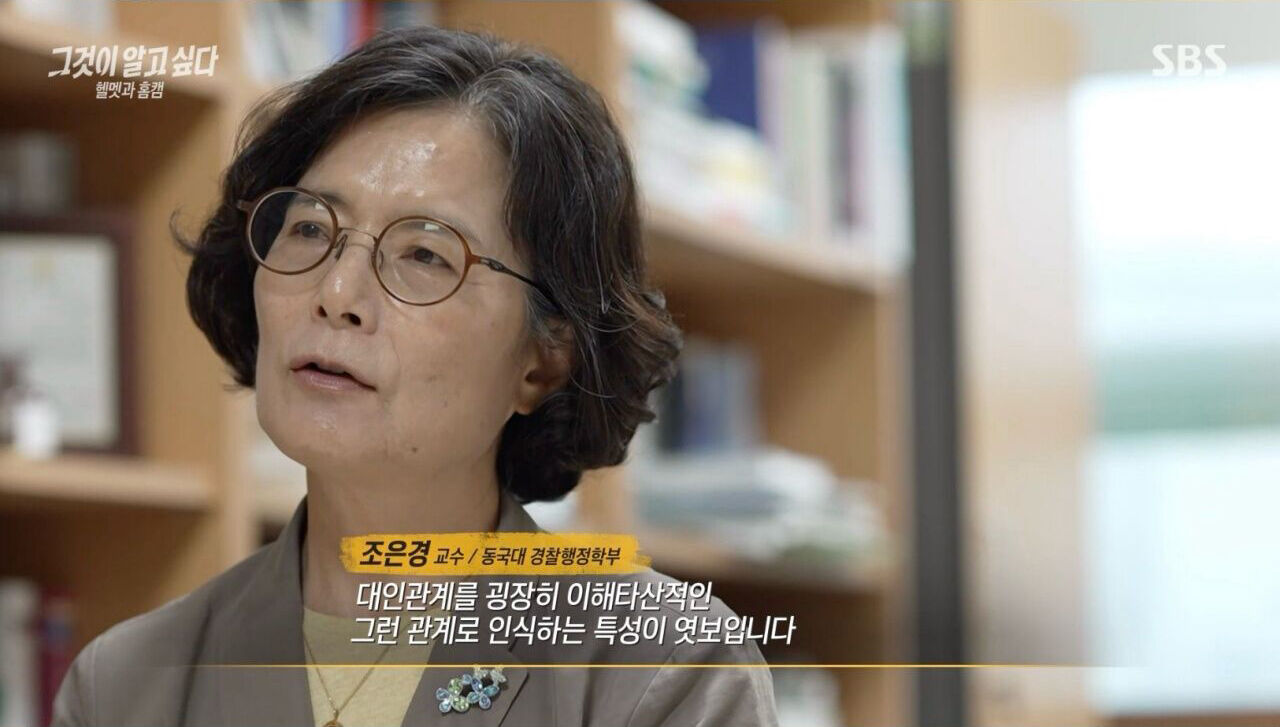
Regarding the perpetrator Yeom, the expert noted, "He has a tendency to perceive interpersonal relationships on a calculating basis. He has shallow emotionality, which suggests he may have a deficit in unconditional love where one freely gives and receives affection without strings attached." The expert added, "He reportedly cut ties almost completely with his parents. While it is unclear what issues existed in his childhood, his mindset appears to suggest that he could resent and blame even his parents if they caused him disadvantage."
The production team went directly to meet Yeom's parents. His mother said she had been out of touch with her son for quite some time and did not know the details of the incident. She defended her son, saying, "Before getting married, he was a truly good son and lived diligently."
Yeom's father stated that Yeom had contacted him after the incident, adding that he had not been able to properly care for his child due to financial hardship. The father also said that Yeom committed the crime after the victim refused to let him see their daughter, stating, "Whenever he drank, he became a lunatic. That's why he went there fully intending to kill her. He must receive punishment and accept what he did wrong."
The victim had maintained the household and cared for the child on the 750,000 won per month given by Yeom. Yeom controlled every hundred won spent by the victim. Yet he never quit drinking or smoking and went to the gym without fail.
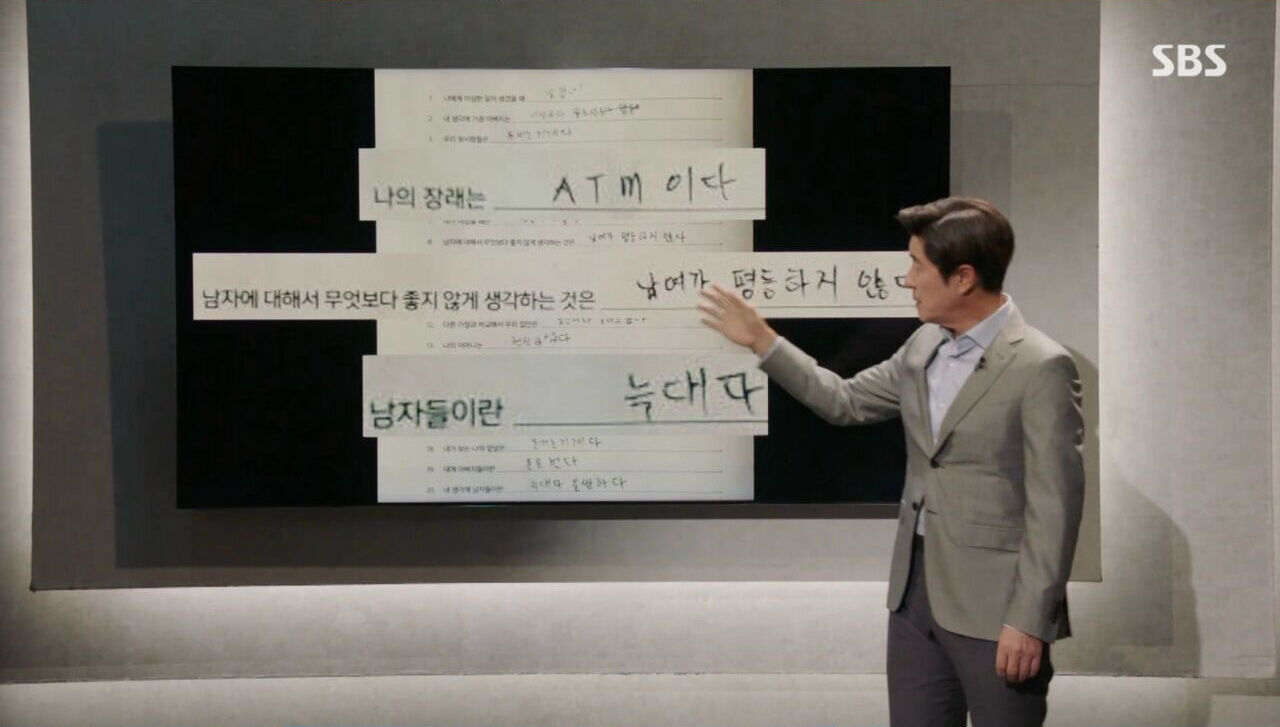
The perpetrator believed that men and women are not equal, that his own future was merely that of an ATM, and that men were pitiable. Claiming himself to be a victim making sacrifices, he placed all the blame for the divorce on his wife. In particular, he insisted that marriage had brought him nothing but sacrifice.
On this, an expert stated, "Yeom bought his wife with money. He relieved the self-pity and resentment built up since childhood by drinking alcohol every night after getting married."
The expert also pointed out, "What mattered most to the perpetrator was his status as a civil servant." Yeom acted like a self-sacrificing head of household outside, but reigned like a king at home. It was revealed that those around him were entirely unaware of his double life.
After being separated from the victim, Yeom, who immediately worried about disciplinary action from the postal service, badmouthed the victim with his colleagues and even considered hiring a private investigation agency to track down her location.
He also said, "If I die alone, 200 million won will all go to my wife, which feels unfair," expressing regret over the money he had spent on the victim. He made an ominous remark, saying he would definitely not die alone.
Yeom went completely out of control after receiving the standard divorce complaint. An expert analyzed: "It must have come as a shock. He likely never imagined that the victim would actually abandon him, thinking 'she wouldn't go that far.' Underneath, there was also the belief that if they were to divorce, he would never accept taking a loss." The expert continued, "The biggest reason he could not accept the divorce seemed to be concerns over money, property division, alimony, and child support. He appeared to fear that going to a divorce trial would expose the matter at work, lead to a disciplinary committee hearing, and cause him to lose his status as a civil servant."
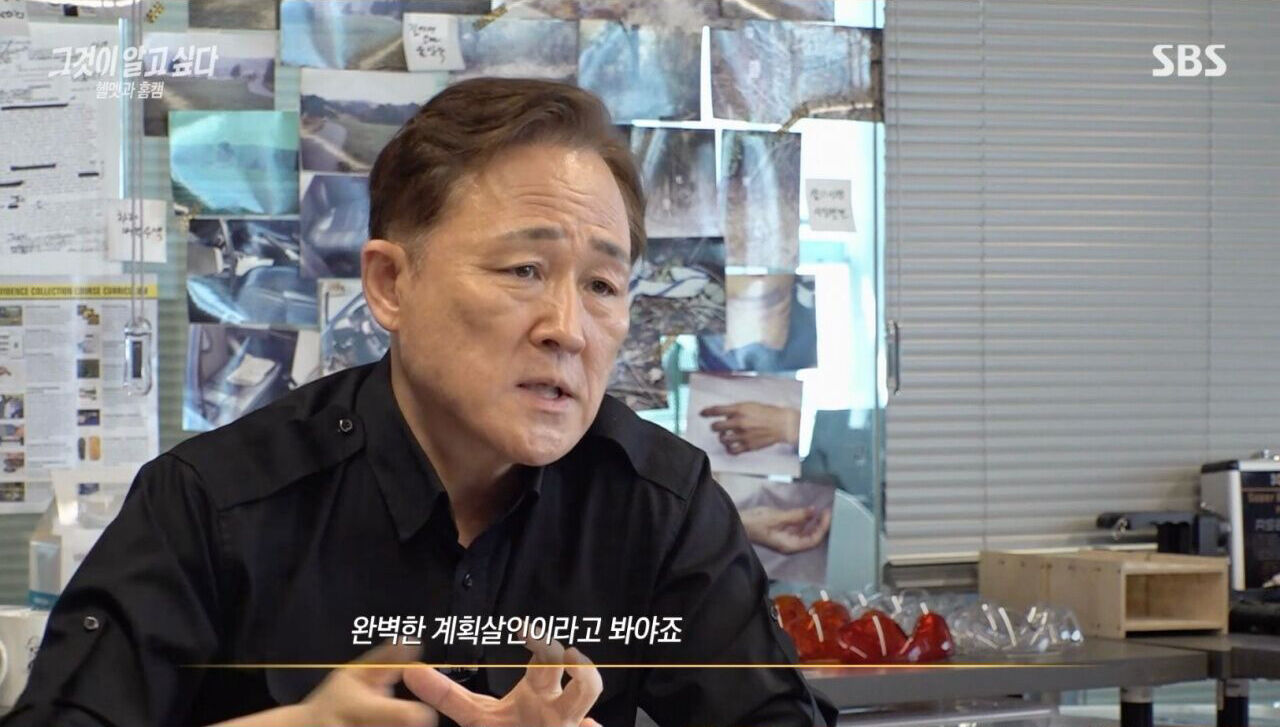
Regarding the reason Yeom did not commit the crime for two weeks after learning the victim's residential address from the divorce complaint, the expert analyzed: "He appears to have checked her movement routes, daily habits, whether she lived with anyone, and whether she was under police protection, all to execute a meticulously premeditated murder."
In fact, prior to the murder, Yeom told a colleague that he had confirmed the victim's brother was not living at her residence.
In an audio recording of the final conversation with Yeom before her death, it appeared that Yeom experienced an emotional upheaval when the victim stated she would come to retrieve her belongings accompanied by police officers.
The expert analyzed: "When the victim says, 'I don't want to see you,' the perpetrator lets out a hollow laugh. His emotional state shifts drastically at that moment, as if thinking, 'This won't work.'"
The expert also stated, "During the separation period, the perpetrator drank alone every day and obsessively fixated on various thoughts. He appears to have experienced an escalation of aggressive impulses fueled by resentment and blame toward the victim."
The expert also expressed concern for the victim's young daughter. "When the perpetrator's violent outburst began, the child displayed an immobilization response out of extreme anxiety. She went into a calm state, as if briefly stepping away into another world," the expert said. "Even before the separation, when the perpetrator held the child tightly, she remained frozen, and once released, she was able to casually pick up toys as if waking up. That reflects how pervasive such violence was in the child's environment. Intensive therapy seems absolutely necessary."
Although the victim reported the abuse four times, the state failed to protect her. In response, the expert emphasized: "When a domestic violence report is made, the perpetrator must be arrested mandatorily. Police should not ask the victim. A victim cannot make that choice." The expert added, "The predetermined priority seemed to be that his position as a postal civil servant must never be jeopardized."
After the victim filed reports, the police implemented protective measures according to manual guidelines, but in practice, they proved ineffective.
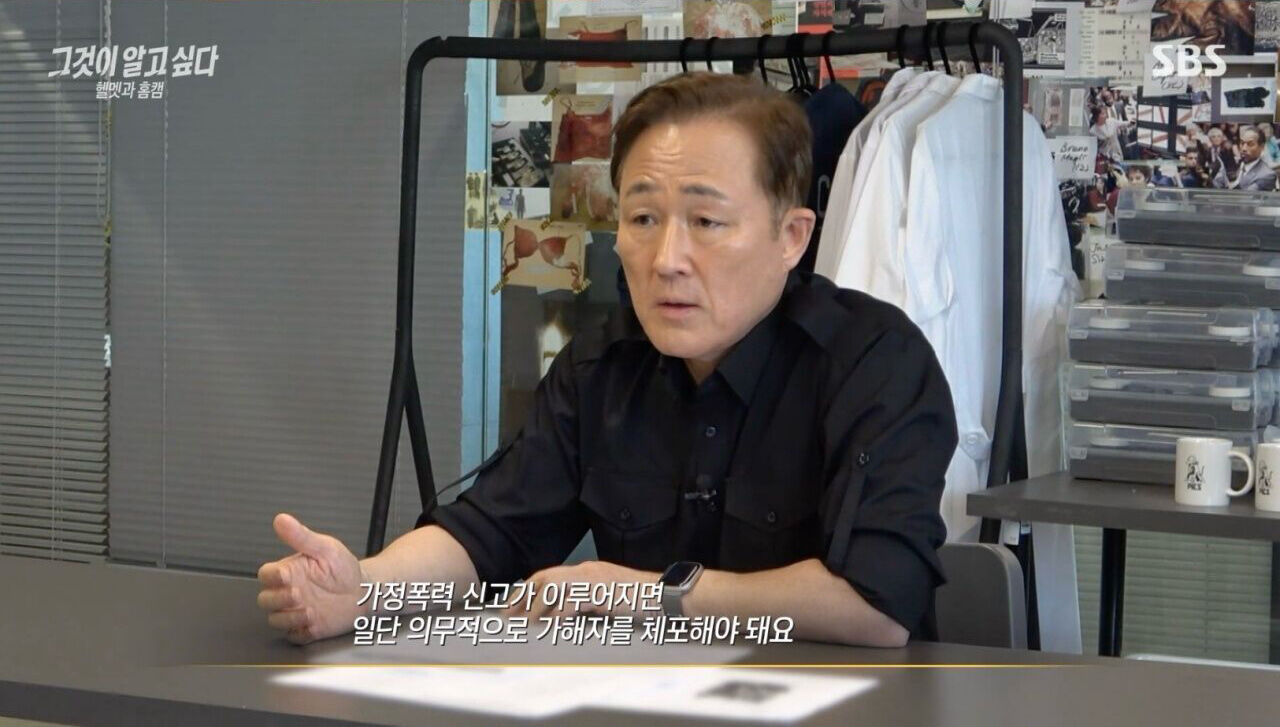
"In Korea, there has long been a practice in domestic violence cases where preserving the family was prioritized. When a victim expresses that they do not desire punishment, the convention has been to withhold punishment and merely observe, but police must have the authority to arrest ex officio and open a criminal case," the expert asserted, calling for institutional reforms that reflect the unique nature of domestic violence.
Under the current system, personal information in a divorce complaint can only be protected if a redaction request is filed in advance. Regarding this, the expert pointed out, "This divorce complaint was handled with a lawyer, yet the address was still exposed. If even professionals can miss it, then the system itself is flawed from the ground up."
Yeom's father also lamented the critical loophole in the current system, saying, "This could have been prevented. Why is the victim's address disclosed? If someone doesn't know where she is, they can't kill her even if they want to."
A legislative amendment that would allow courts to redact a victim's personal information ex officio has been proposed, but it remains pending in parliament.
Lastly, the broadcast concluded with a message to those suffering from similar abuse: "We hope this does not leave you with a sense of helplessness that running away is futile," drawing attention by expressing hope that society will soon establish reliable ways to ensure a safe separation.
(Editor Kim Hyo-jeong)
※ Please note: This article was translated by AI and may contain errors.



 Video News
 Video News

 Video News