
 KOR
KOR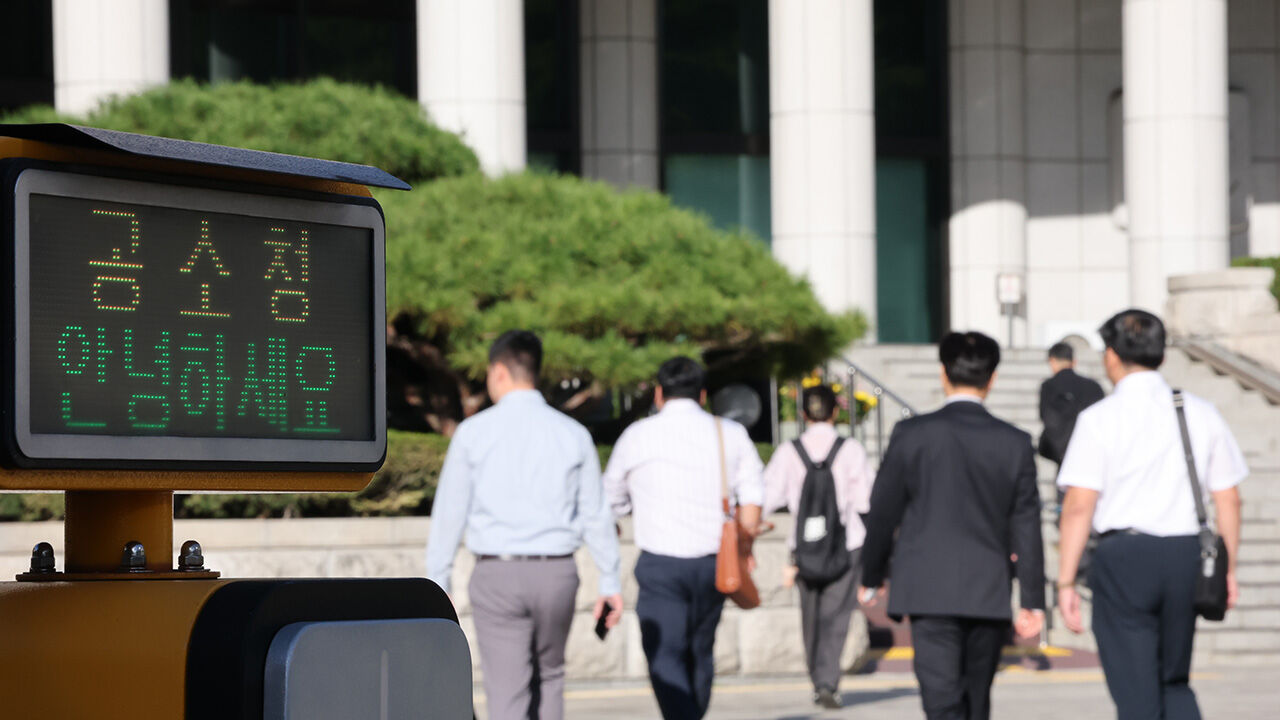
▲ Employees commute to the newly launched Public Prosecution Office in Seocho-gu, Seoul, on Oct. 2.
The Public Prosecution Office launched today (Oct. 2), stating, "We will continuously strive to faithfully fulfill our role as a criminal justice service institution focused solely on the people."
The Public Prosecution Office has pursued organizational restructuring and the overhaul of operational standards to focus on core functions such as indictment and maintenance, execution of sentences, victim protection, confiscation of criminal proceeds, and representation of the public interest.
A total of 42 direct-investigation departments, including intelligence and joint investigation units across prosecutors' offices nationwide, were abolished and converted into 29 major crime indictment departments.
Major crime-related departments at the headquarters of the Public Prosecution Office were also consolidated.
Prosecutor staffing positions in existing prosecution rooms were reallocated to trial-related departments, and general staff positions were also expanded.
Trial departments nationwide were converted into trial and litigation departments or trial and confiscation departments to perform not only indictment maintenance but also public interest representation, state litigation, and criminal proceeds confiscation tasks.
The newly established Non-Indictment Review Department is exclusively responsible for reviewing requests for reinvestigation regarding unlawful or poorly investigated non-indictment cases, as well as response measures for failures to implement or inadequate implementation of supplementary investigation requests.
Through this, the office plans to inspect whether investigations by investigative agencies have been carried out lawfully and thoroughly based on consistent criteria, while protecting the rights and interests of victims and other case participants.
Practical operational standards have also been established for the pre-arrest detention warrant interview and fact-finding system introduced in the revised Criminal Procedure Act.
The intent is for prosecutors not to rely solely on records, but to directly verify facts through interviews with suspects before determining whether to indict, maintain prosecution, and request arrest warrants.
The Public Prosecution Office stated that it will actively utilize this system immediately after its launch to verify the legality and appropriateness of investigations, and to protect the human rights of suspects and the rights of case participants.
In line with the transition to the Public Prosecution Office, a comprehensive overhaul of 1,022 directives, bylaws, instructions, and guidelines previously under the Supreme Prosecutors' Office was also pursued.
Regulations related to direct investigations were abolished, and regulations were revised to match the modified duties of prosecutors.
Cases currently being processed by prosecutors will be handled as much as possible within a 90-day grace period if deemed unavoidable by their nature, and cases subject to transfer will be classified by investigative agency, such as the police or the Serious Crime Investigation Agency, and promptly handed over.
Election cases subject to short statutes of limitations, such as those related to the 9th Simultaneous Local Elections whose statute of limitations expires on December 3, will also be handled promptly in cooperation with related agencies to ensure thorough prosecution maintenance.
(Photo: Yonhap News)
※ Please note: This article was translated by AI and may contain errors.


 Video News

 Video News
 Video News
 Video News