
 KOR
KOR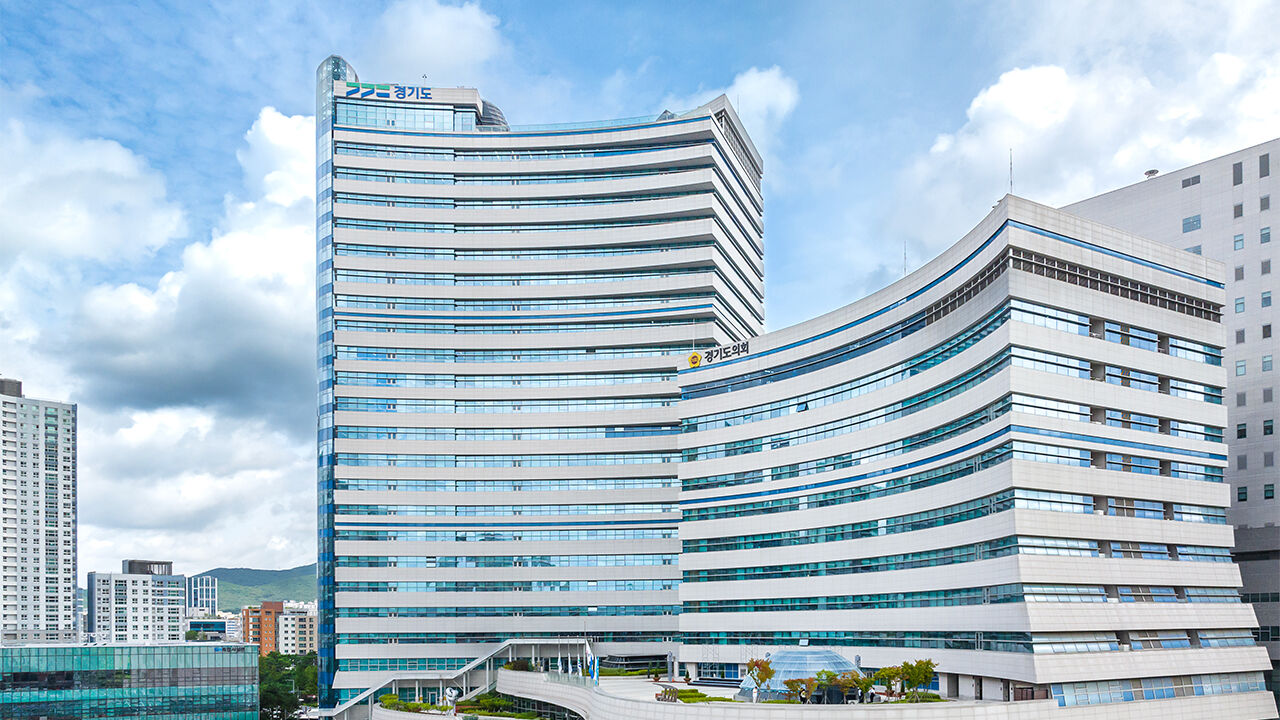
▲ Gyeonggi Province and the Gyeonggi Provincial Assembly
Key livelihood projects in Gyeonggi Province face disruptions starting today (October 1) as the processing of this year's second supplementary budget bill, which cut 500 billion won due to a fiscal crisis, has been delayed amid disagreements between the provincial government and the provincial assembly.
According to Gyeonggi Province and the provincial assembly on October 1, the supplementary budget bill, which was originally scheduled to be reviewed and voted on during the 393rd extraordinary session running from the 1st to the 18th of this month, was not processed by September 30.
The provincial government and the assembly are continuing negotiations without reaching an agreement on restoring reduced livelihood budgets and re-reflecting unbudgeted project funds.
Major livelihood projects for which budgets for only the first nine months (January to September) were initially allocated due to burdens such as local bonds and internal transaction repayments, with the remaining three-month budgets included in the supplementary budget bill, now face suspension starting in October.
These projects include support for ▲ senior long-term care benefits (123.4 billion won), ▲ fertility treatment expenses for infertile couples (22.3 billion won), ▲ farmers' and fishermen's opportunity income (21.5 billion won), ▲ youth basic income (16.3 billion won), and ▲ support for residential facilities for people with disabilities (1.8 billion won).
In addition, projects that were not originally included in the supplementary budget bill but were agreed upon by the provincial government and the assembly to be revived will also be affected.
These include postpartum care expense support, supply of healthy fruit for children, transportation support for vulnerable groups, and improvement of treatment for corporate taxi drivers.
Particularly, for the postpartum care expense support project—which even led to a petition calling for the resignation of Gyeonggi Governor Choo Mi-ae—the provincial government and the assembly have agreed not to discontinue it, but provincial funding cannot be executed until the supplementary budget bill is processed.
Regarding the livelihood projects that may face such disruptions, the province has decided to minimize inconvenience to residents for projects that share budgets with cities and counties, such as senior long-term care benefits, by first proceeding with city and county budgets and then disbursing provincial funds later.
The province is also considering using pre-established budgets—funds earmarked for specific state or provincial purposes that are executed in advance without assembly approval—or retroactively applying support benefits to project recipients after the supplementary budget bill is processed, but these methods differ from smooth project execution.
For now, the subcommittee of the Special Committee on Budget and Accounts of the provincial assembly plans to draw up a final revised proposal on November 1 and deliver it to the provincial executive branch, but whether the provincial government and the assembly will reach an agreement remains uncertain.
A provincial official said, "We are urgently inspecting the situation for each project to prepare for potential disruptions in the implementation of essential livelihood projects," adding, "We will do our best to minimize inconvenience to residents by swiftly processing the supplementary budget bill through close consultation with the provincial assembly."
(Photo: Yonhap News)
※ Please note: This article was translated by AI and may contain errors.




 Video News

 Video News