
 KOR
KOR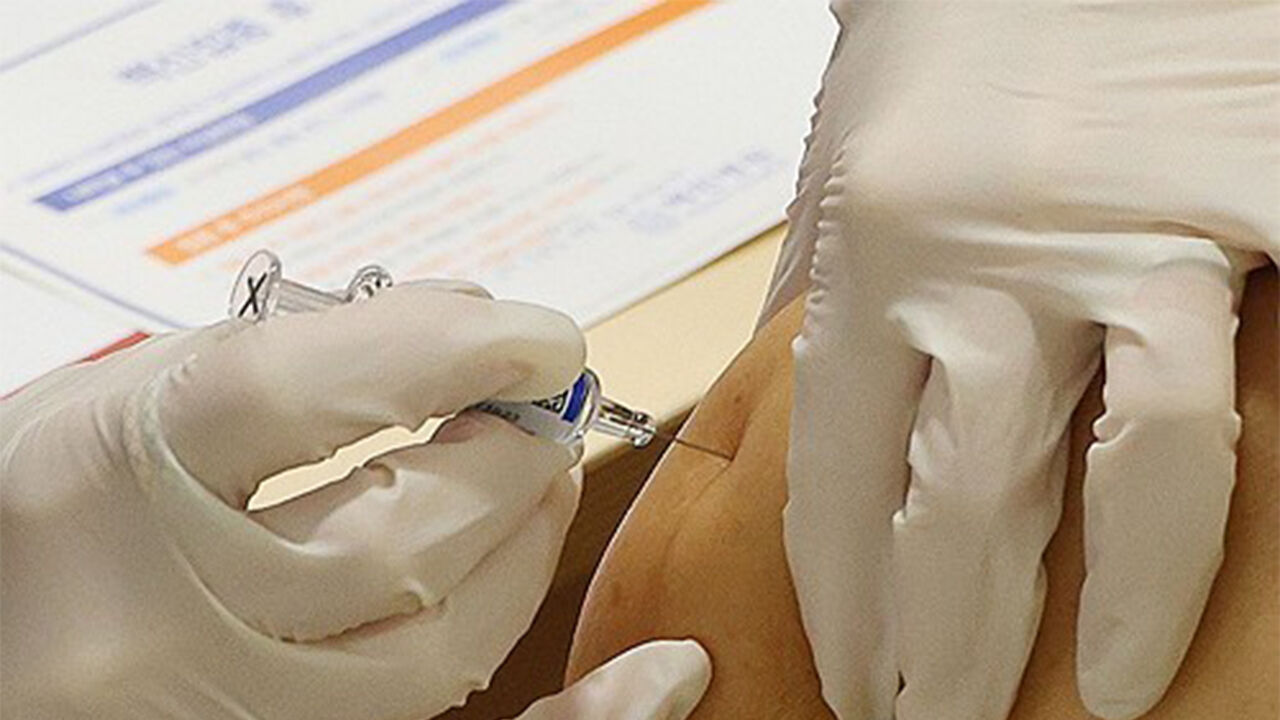
▲ File photo
Measures are being pursued to require pharmaceutical companies to collect national immunization program vaccines within 72 hours and complete preliminary investigations within 15 days when reports of abnormalities, such as foreign substances, are received.
If there is a high risk of harm, measures will be taken to suspend vaccination and sales or recall the vaccines even before the pharmaceutical company's investigation is concluded. Starting next year, a system utilizing QR codes and barcodes will also be introduced to prevent administration errors.
The Korea Disease Control and Prevention Agency (KDCA) and the Ministry of Food and Drug Safety (MFDS) announced the "Measures to Strengthen Quality Control and Safe Administration of National Immunization Program Vaccines" containing these provisions.

Until now, it has been pointed out that swift responses were difficult because even if medical institutions discovered vaccine quality abnormalities, the reporting procedures were unclear and there was no separate system to share information between government ministries.
Accordingly, the KDCA is streamlining procedures so that suspected quality abnormality cases identifiable by the naked eye in medical institutions, such as foreign substances or damaged vials, can be reported through a system following a standardized format.
Report details will be automatically notified to pharmaceutical companies, and the KDCA and MFDS will jointly review them and register measures to be taken.
Reporting information will also be shared with medical institutions that use the same vaccines as the reported ones.
In addition, because there was no clear deadline for pharmaceutical companies to investigate reported vaccines, it was difficult to take preemptive measures such as withholding vaccinations before results came out. Moving forward, measures are also being pursued to ensure that pharmaceutical companies comply with reporting deadlines for investigations.
The direction is for pharmaceutical companies to collect the reported vaccines and report receipt within 72 hours of receiving the report, submit a first report within 15 days, a second report within 30 days, and report final results within 45 days.
After the KDCA and MFDS review the phased reports from pharmaceutical companies, the KDCA will take action on issues in the distribution and vaccination process, while the MFDS will take action on manufacturing process issues, depending on the cause.
In particular, if there is a high risk of harm, such as a large number of foreign substance reports occurring in a short period, measures such as suspending vaccination and sales or recalling the product can be implemented even before the pharmaceutical company's investigation is completed.

During the vaccination process, automated system entries will be implemented to reduce human errors such as administering expired vaccines, and vaccination error prevention and response methods will be designated as mandatory subjects in advanced vaccination training.
Starting next year, the integrated immunization management system will be improved to convert vaccine recipient information into QR codes to automatically check vaccination history and to verify whether the vaccine to be administered matches the actual vaccine to be injected using QR codes and barcodes.
Regarding adverse events following vaccination, active surveillance utilizing follow-up investigations and medical information big data analysis will be strengthened alongside the existing passive surveillance where medical professionals and guardians report adverse events.
(Photo courtesy of the Korea Disease Control and Prevention Agency, Yonhap News)
※ Please note: This article was translated by AI and may contain errors.


 Video News
 Video News
 Video News
 Video News
 Video News