
 KOR
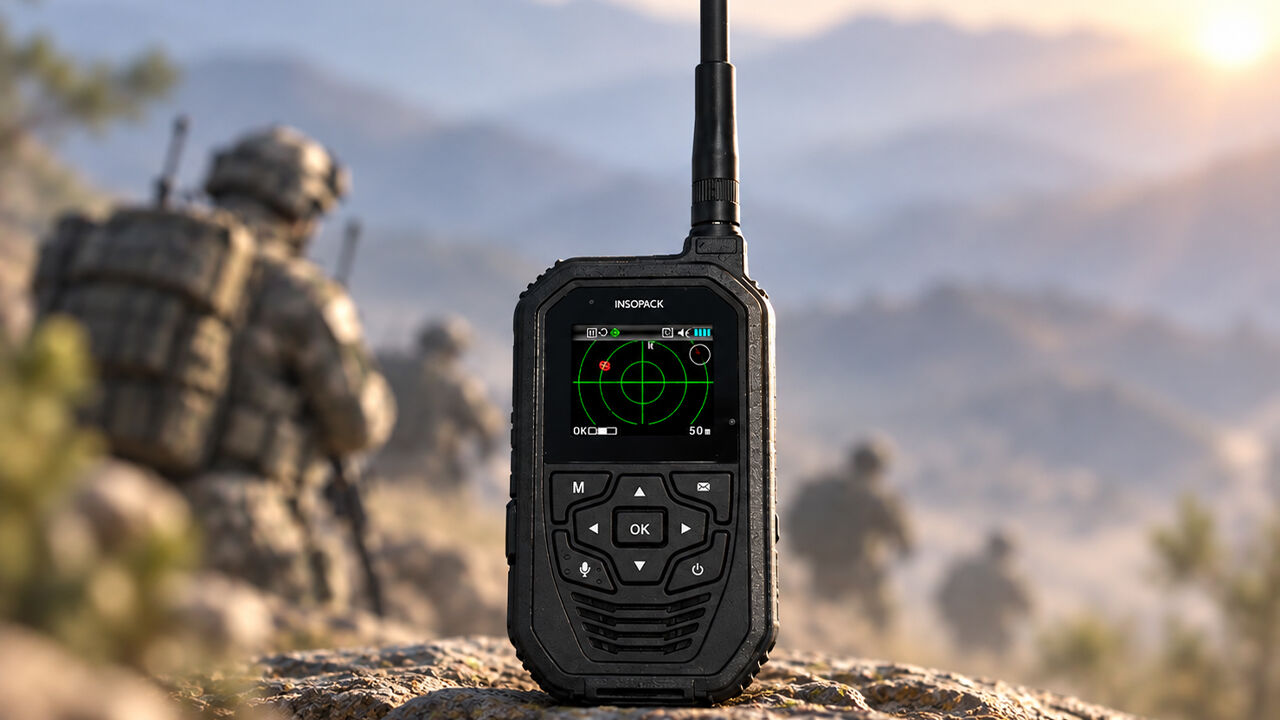
What DAPA is targeting are just three out of approximately 800 types of components in the combatant radio. Company A maintains that "we notified DAPA that three components whose supply was cut off due to the COVID-19 pandemic inevitably had to be replaced with alternatives." There is evidence supporting this. The three substituted parts are recognized as offering equivalent or superior performance, and were confirmed to carry no risk of backdoors. Company A never cancelled its orders for the originally designed American and Swiss parts, and still bears those U.S.- and Swiss-made components as dead inventory.
Company A's second-phase combatant radio has a solid reputation for excellent performance. Despite all these circumstances, DAPA is obsessing over the country of origin of the replacement parts—something not even specified in the regulations. Furthermore, granting only two business days, the agency is pressuring Company A to make a decision, demanding it "restore the radios to their original design." These seem like misunderstandings that could be cleared up if Company A explains them in detail, yet DAPA has closed its eyes and ears. Would DAPA act this way if Company A were a major conglomerate? Whispers are already spreading that outside forces are at work behind DAPA.
The COVID-19 Pandemic and Supply Chain Paralysis
Subsequently, the Korean agencies for the U.S. and Swiss components presented alternative parts. Company A received samples from the distributor of the replacement parts and verified their performance. They were evaluated to perform equally to or better than the U.S. and Swiss parts. Company A said, "Although the replacement parts are made in China, we confirmed that they are not subject to sanctions or restrictions by the U.S. Federal Communications Commission (FCC) and contain no backdoors," adding, "We shared these facts with DAPA."
While seeking alternative components, Company A did not stop its efforts to procure the existing American and Swiss parts. Despite the uncertain supply outlook due to the pandemic, it placed orders for the original parts in February and May 2022. Frustratingly, most of the U.S. and Swiss parts arrived only after mass production of the second-phase combatant radios was completed. Company A protested, "DAPA insists that we used cheap alternative parts just to make money, but if that had been our intention, why would we have spent hundreds of millions of won to secure the original parts as well?"
The Truth Behind the August 2, 2022 Meeting
Can Company A's claim be substantiated? It was confirmed that Company A preserved the original record of the August 2, 2022 meeting with DAPA. After the meeting, the employee in charge drafted minutes around 8:00 p.m. and saved them on a secure work computer. The minutes explicitly specified the application of substitute parts with equivalent or superior performance and the delivery schedule.
DAPA is now making threats, claiming that "Company A swapped parts behind DAPA's back." Rather than relying on mere words, DAPA must also present evidence, such as records of that August 2, 2022 meeting. Because it was an essential meeting for acquiring combatant radios that support wartime communications for individual soldiers, drafting meeting minutes is practically common sense. Does a record of the August 2, 2022 meeting exist at DAPA?
Demanding a 'Crucial Decision' Without Even Time to Review
Above all, Company A's combatant radios are receiving favorable reviews from frontline military units. Out of the 15,000 radios delivered since May 2023, zero defects have been reported to date. This is a rare record among military equipment. Recent investigations by the Defense Counterintelligence Command and the National Intelligence Service also revealed no backdoors in the replacement parts of Company A's radios. A key DAPA official admitted, "Everyone knows that Company A's radios perform well," adding, "The warranty period for defects ended several months ago."
Even so, on the afternoon of September 22, DAPA sent an official notice to Company A demanding a response by September 29, 2026, regarding "follow-up measures for the second-phase combatant radios." These follow-up measures mean restoring the three replacement components back to the parts originally specified in the design. While referred to as just three parts, this is a massive overhaul that effectively requires completely reassembling all 15,000 units from the circuit boards to the software.
Moreover, between the date DAPA sent the notice and the deadline for Company A's response, there were four days of Chuseok holidays, leaving only two working days. This is tantamount to coercing the company into making a critical decision that could jeopardize its existence in just two days. If Company A had been a large conglomerate, would DAPA have pushed it so harshly?
Amid Plentiful Major Programs, DAPA Pours All Efforts into a Small One

With this level of devotion, one might expect the agency to listen to the contractor, a key party in the matter. Yet not a single person at DAPA has responded to Company A's pleas asking to "present explanations" or "meet in person." Whispers suggest this is a classic symptom that occurs whenever an unjust outside influence acts upon DAPA. SBS will not stop here and will further examine DAPA's irregular actions surrounding the combatant radios in future reports.
※ Please note: This article was translated by AI and may contain errors.



 Video News
 Video News
 Video News
 Video News