
 KOR
KOR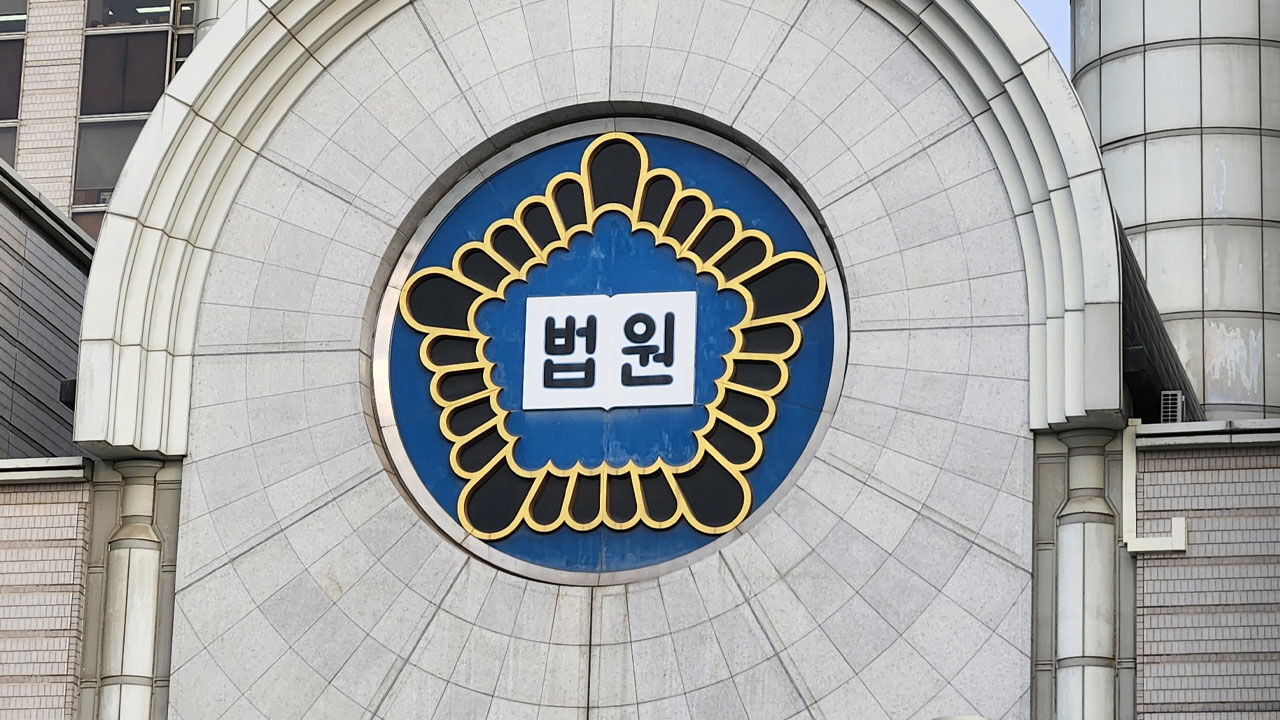
▲ Court logo
A court has ruled that the Korea Workers' Compensation and Welfare Service's decision to deny pneumoconiosis bereaved family pensions and funeral expenses to the family of a coal miner who made an extreme choice while battling pneumoconiosis was unlawful.
The 10th Administrative Division of the Seoul Administrative Court (Presiding Judge Jung Eun-young) recently ruled in favor of the plaintiff in a lawsuit filed by the bereaved family of A against the Korea Workers' Compensation and Welfare Service, seeking to cancel the decision to deny the pneumoconiosis bereaved family pension and funeral expenses.
A worked as a miner in a coal mine, received an initial diagnosis of pneumoconiosis in 1986, and was subsequently diagnosed with cardiopulmonary functional impairment in multiple detailed examinations.
He took his own life on October 3, 2023, while receiving treatment at a hospital.
The bereaved family claimed the pneumoconiosis bereaved family pension and funeral expenses, but the agency decided against the payment on the grounds that it was difficult to recognize a causal relationship between pneumoconiosis and the death.
After the bereaved family's request for a re-examination by the Industrial Accident Compensation Insurance Reexamination Committee was dismissed, they filed an administrative lawsuit.
The bereaved family argued in court, "After the deceased was diagnosed with pneumoconiosis and chronic obstructive pulmonary disease, he suffered from worsening respiratory distress, sleep disorders, and anxiety disorders. Just before his death, psychiatric symptoms worsened further due to symptoms related to pneumothorax, a complication of pneumoconiosis, leading to an extreme choice while his normal cognitive abilities were impaired. The deceased's death has a significant causal relationship with pneumoconiosis, an occupational disease."
The court sided with the bereaved family, stating, "It can be inferred that the psychiatric illness caused by pneumoconiosis, an occupational disease, worsened, leading the deceased to commit suicide under circumstances where rational judgment could not be expected. Therefore, there is a significant causal relationship between the death and work."
The court noted that A had been diagnosed with anxiety disorder, sleep disorder, and depression while undergoing a long period of treatment for pneumoconiosis, and that his preexisting anxiety and depression symptoms worsened as his lung function deteriorated sharply starting a year before his death.
The court also judged that considering A was told by medical staff that his lung disease would not improve and expressed sentiments such as "daily life is too hard and exhausting," he was likely plunged into deep despair and helplessness around this time.
As a basis for its judgment, the court also cited the opinion of a court-Appointed medical evaluator that there was a strong probability that fear resulting from the simultaneous occurrence of multiple severe lung diseases, the worsening of the disease with no expectation of improvement, and the suffering from long-term treatment influenced the suicide.
(Photo: Yonhap News)
※ Please note: This article was translated by AI and may contain errors.


 Video News
 Video News
 Video News

 Video News