
 KOR
KOR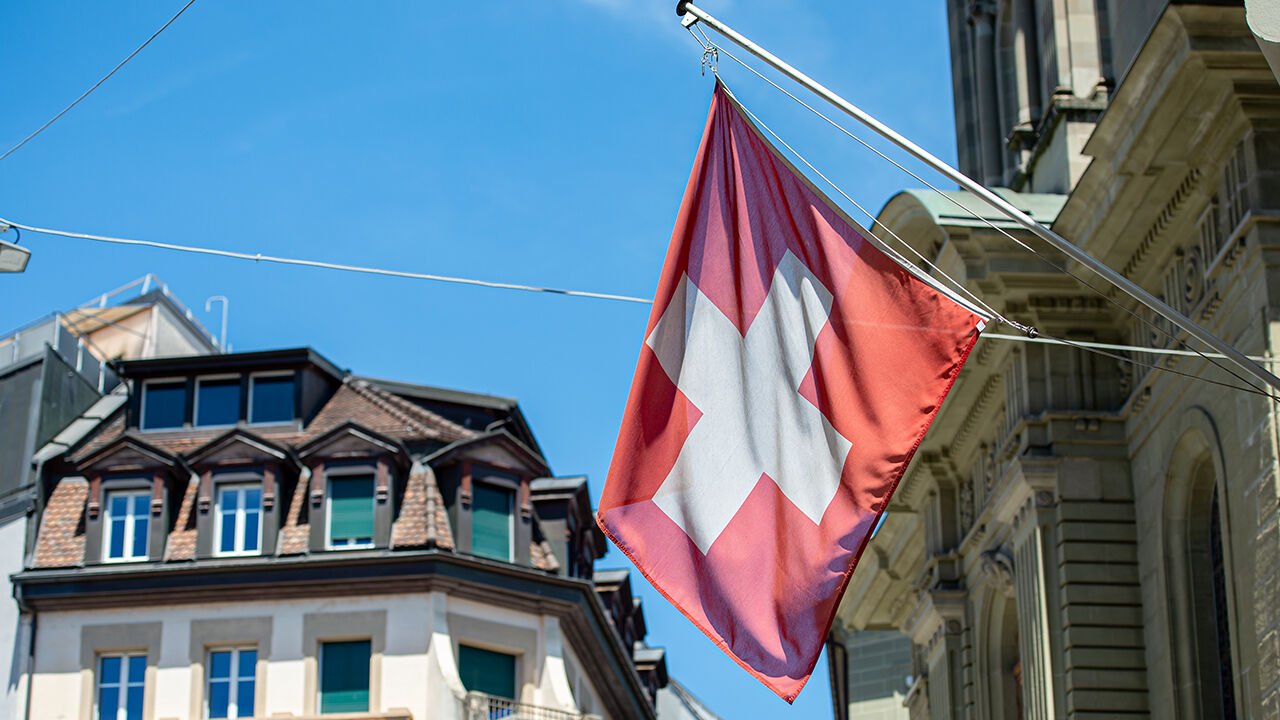
▲ Switzerland
A constitutional amendment aimed at "strengthening neutrality" in the neutral country of Switzerland, which would have strictly limited cooperation with military and defense alliances as well as participation in independent international sanctions, has been rejected in a national referendum.
According to AFP and Reuters news agencies on the 27th (local time), the "strengthening neutrality" referendum held in Switzerland that day resulted in 29.85% voting in favor and 70.15% voting against.
The voter turnout was 47.06%.
Following the announcement of the vote count, Swiss Foreign Minister Ignazio Cassis told reporters, "This result is not against neutrality," adding, "Switzerland was neutral yesterday, is neutral today, and will remain so in the future."
The core of the referendum was to enshrine permanent and military neutrality in the constitution, strictly limiting the government's authority to arbitrarily interpret and implement neutrality depending on the circumstances.
If the amendment had passed, the Swiss government would have been completely banned from imposing independent sanctions due to armed conflicts and the like, unless authorized by a United Nations Security Council resolution. Cooperation with military and defense alliances such as the North Atlantic Treaty Organization (NATO) would also have been permitted only in situations where Switzerland itself came under direct attack.
Switzerland has been recognized as an international neutral country since right after the Napoleonic Wars in 1815.
However, the constitution does not specify how the government should implement this neutrality.
Successive Swiss governments have interpreted neutrality flexibly in response to the international political climate.
While staying out of NATO and the European Union (EU), Switzerland has selectively participated in NATO's Partnership for Peace and international peacekeeping missions.
The right-wing Swiss People's Party (SVP), which supported strengthening neutrality, argued that Switzerland's participation in sanctions against Russia over the invasion of Ukraine has shaken its traditional neutral standing.
The "Yes" camp campaigned under the slogan "Against war, for neutrality."
Since the outbreak of the war in Ukraine in February 2022, the Swiss government has adopted most of the 20 packages of sanctions against Russia announced by the EU.
This marked a distinct departure from its decision not to participate in sanctions when Russia annexed Crimea from Ukraine in 2014, drawing criticism from some quarters that Switzerland had taken Ukraine's side and abandoned the principle of neutrality.
On the other hand, the Swiss federal government and the majority of political parties have strongly opposed this constitutional amendment.
In a recent TV debate, Minister Cassis said, "Neutrality has always been applied with a certain degree of flexibility," adding, "Neutrality is not indifference."
Following exit polls that day, Green Party lawmaker Sibel Arslan stated, "Voters realized what the SVP wanted," adding, "It was an attempt to isolate Switzerland internationally and shirk responsibility even as international law is trampled upon."
Multiple polls conducted prior to the referendum also showed the "No" side in the lead.
In a poll by public broadcaster SRG and GFS Bern, 34% were in favor and 63% were against.
Fabio Wasserfallen, a professor of European politics at the University of Bern, told Reuters, "Swiss voters like neutrality, but it also means they agree with the way the current government implements neutrality."
(Photo: Getty Images)
※ Please note: This article was translated by AI and may contain errors.


 Video News
 Video News
 Video News
 Video News
 Video News