
 KOR
KOR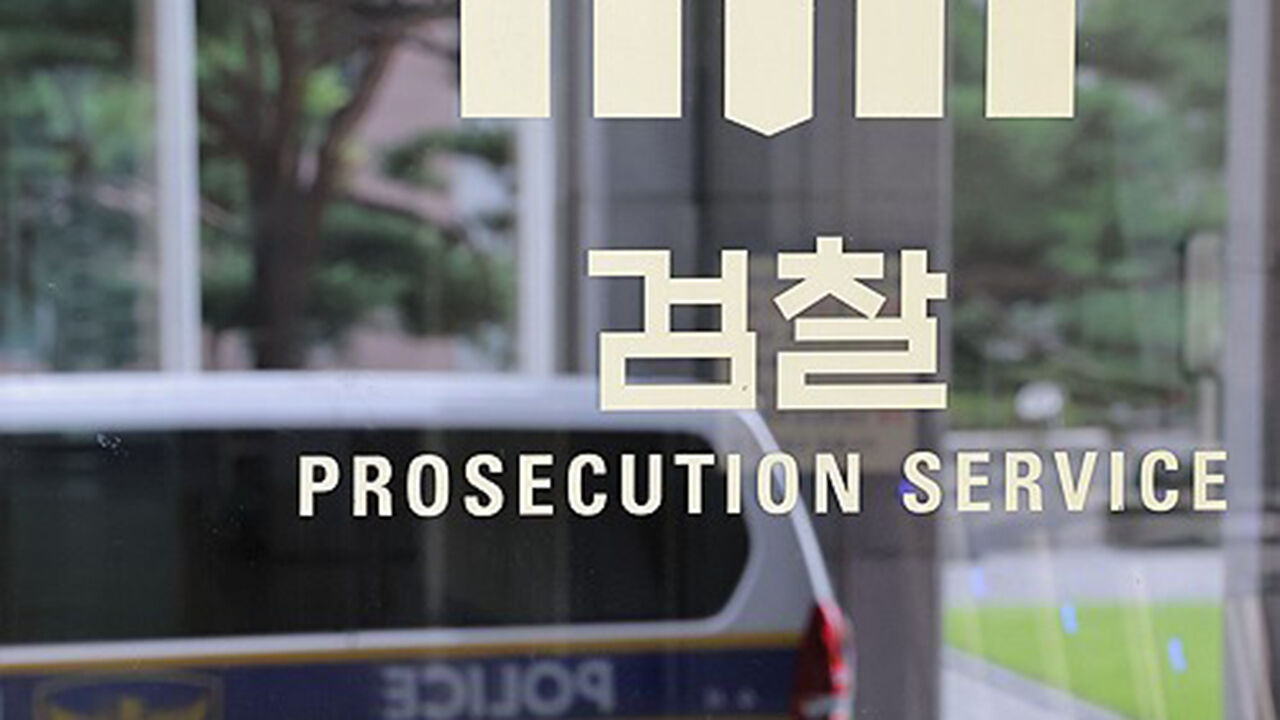
▲ Prosecutors' Office
Ahead of the launch of the Prosecution Office on October 2, prosecutors are accelerating efforts to organize cases where indictments have been suspended due to the whereabouts of suspects being unknown.
Under the plan, about 2,000 cases in which prosecutors directly obtained arrest warrants and placed individuals on nationwide wanted lists will be transferred to the police and special judicial police to continue the wanted status, while other suspended indictment cases will be managed by the Prosecution Office.
On September 9, the Supreme Prosecutors' Office distributed guidelines titled "Plan for Processing and Transferring Cases Directly Placed on Wanted Lists by Prosecutors" to high, district, and branch prosecutors' offices nationwide, instructing them to review whether to take action on a case-by-case basis.
The transfer targets cases where prosecutors directly requested and obtained arrest warrants, placed suspects on wanted lists, and subsequently suspended the indictments.
This includes cases where prosecutors directly initiated investigations, as well as those transferred from the police and special judicial police.
According to data compiled from 60 prosecutors' offices nationwide as of September 3, the total number of target cases stood at 2,168.
Cases in which prosecutors directly initiated investigations accounted for the largest share at 1,527, followed by 610 cases transferred from the police and 31 cases transferred from the special judicial police.
These cases are being handed over to the police and other agencies because the launch of the Prosecution Office will strip prosecutors of their investigative powers, making it difficult for them to directly secure the custody of wanted suspects or continue follow-up investigations.
In the document, the Supreme Prosecutors' Office explained that following the implementation of the amended Criminal Procedure Act, prosecutors can no longer directly execute arrest warrants, nor is it easy to continue direct investigations within the period permitted for requesting arrest warrants after an arrest.
Consequently, cases directly placed on wanted lists by prosecutors are being transferred to the police and special judicial police so that new arrest warrants can be issued, shifting the responsibility for the wanted status and securing custody to those agencies.
The transfer procedure begins with prosecutors reopening the suspended indictment cases, returning the existing arrest warrants to the court, and lifting the wanted status.
Prosecutors then transfer the cases to the jurisdiction's police agency or send them to the special judicial police in the form of investigative instructions.
Upon receiving the cases, the police and special judicial police apply for and obtain new arrest warrants without delay and re-enter the wanted status.
Unless there are special circumstances, applications are filed with the same criminal facts, reasons for application, and validity periods as the original warrants, excluding the place of custody or detention.
Subsequently, the police will process the cases as suspended investigations, while the special judicial police will forward the cases to the prosecutors with an opinion for suspension of indictment.
Cases subject to travel bans, travel suspensions, or notifications upon entry will also have their management entities changed.
The process follows a sequence where the police or special judicial police obtain new arrest warrants, newly request the measures from the Ministry of Justice, and prosecutors then request the lifting of the existing measures.
The Supreme Prosecutors' Office emphasized prompt warrant applications and inter-agency cooperation to minimize any gaps that may arise between prosecutors lifting existing wanted statuses and the police or special judicial police issuing new ones.
Each prosecutors' office has been instructed to verify whether follow-up measures—such as case transfers, warrant re-issuances, and wanted status entries—have been completed for each case.
However, cases subject to notification of wanted status or suspended reference cases are excluded from this batch transfer.
Notification of wanted status is a measure that informs the responsible investigative agency to appear if a suspect whose whereabouts are unconfirmed in relatively minor cases is discovered.
Suspension of reference is a disposition to temporarily halt an investigation when it is difficult to conclude the case because the whereabouts of key witnesses or others cannot be confirmed.
The Prosecution Office plans to continue managing the suspended indictment and suspended reference cases excluded from the transfer, but will reopen the cases and take necessary follow-up actions if grounds for resuming the investigation arise, such as confirming the whereabouts of suspects or witnesses.
(Photo: Yonhap News)
※ Please note: This article was translated by AI and may contain errors.



 Video News
 Video News
 Video News
 Video News