
 KOR
KOR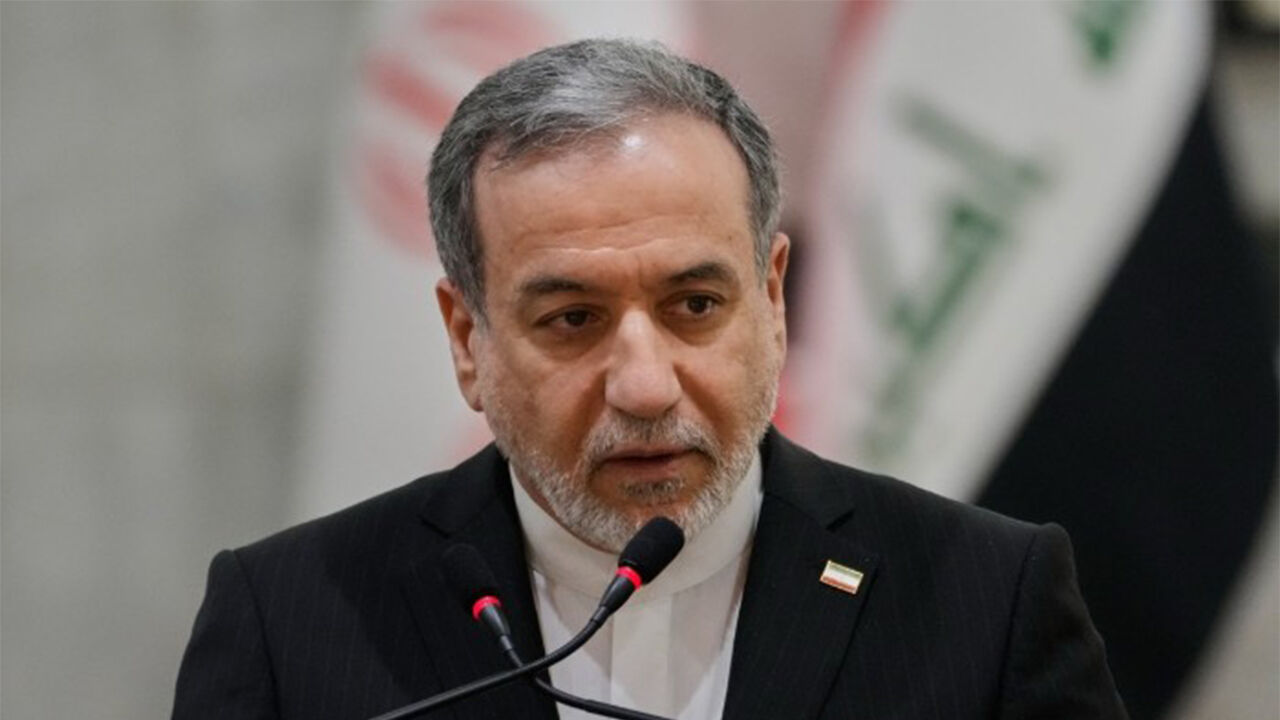
▲ Iranian Foreign Minister Abbas Araghchi
Even if the United States accepts Iran's proposal to reopen the Strait of Hormuz, Iran will not show any flexibility regarding its nuclear program, a senior Iranian official told Reuters on the 25th (local time).
Iranian Foreign Minister Abbas Araghchi stated the previous day that in exchange for Iran reopening the Strait of Hormuz, Iran proposed to the US side to end hostilities on all fronts including Lebanon within 7 days, lift the blockade of Iranian ports, release frozen funds, and exempt oil sanctions.
This proposal came as the standoff between the US and Iran approaches nearly seven months, with Yemen's Houthi rebels, backed by Iran, seizing control of the Bab el-Mandeb Strait area at the entrance of the Red Sea and tightening the squeeze on Saudi Arabia, the world's largest oil exporter.
The Strait of Hormuz is a core issue in negotiations to end the conflict between the US and Iran.
Iran wants the lifting of US blockade measures that are choking its economy.
On the other hand, the US wants to secure free navigation in the Strait of Hormuz, a critical global oil shipping route currently blocked by Iran.
Regarding this, the official said, "The Strait of Hormuz will remain closed until the US meets all of Iran's conditions."
Earlier, Iranian President Masoud Pezeshkian expressed hope during a press conference on the sidelines of the UN General Assembly (UNGA) that an agreement with the US to end hostilities would be reached before the US midterm elections on November 3.
The Iranian government maintains the stance that it is ready to enter detailed negotiations on its nuclear program only after the US first accepts Iran's demands.
However, Iran is known to maintain its stance that it will not make any concessions regarding the right to uranium enrichment or the export of highly enriched uranium (HEU) abroad.
Nevertheless, Iran has previously stated that it could agree to dilute its highest-grade enriched uranium holdings.
Israel, the US, and other Western countries have long accused Iran of pursuing nuclear weapons development, citing Iran's enrichment of uranium up to 60 percent.
An enrichment level of 60 percent far exceeds the level required for civilian purposes and approaches weapons-grade 90 percent.
Meanwhile, Iran completely denies suspicions of developing nuclear weapons.
The International Atomic Energy Agency (IAEA) estimates that Iran held 440.9 kg of 60 percent enriched uranium when Israel and Iran's nuclear facilities were struck by the US and Israel in June of last year.
It remains unclear how much of that currently remains.
(Photo: AP, Yonhap News)
※ Please note: This article was translated by AI and may contain errors.


 Video News
 Video News
 Video News
 Video News
 Video News