
 KOR
KOR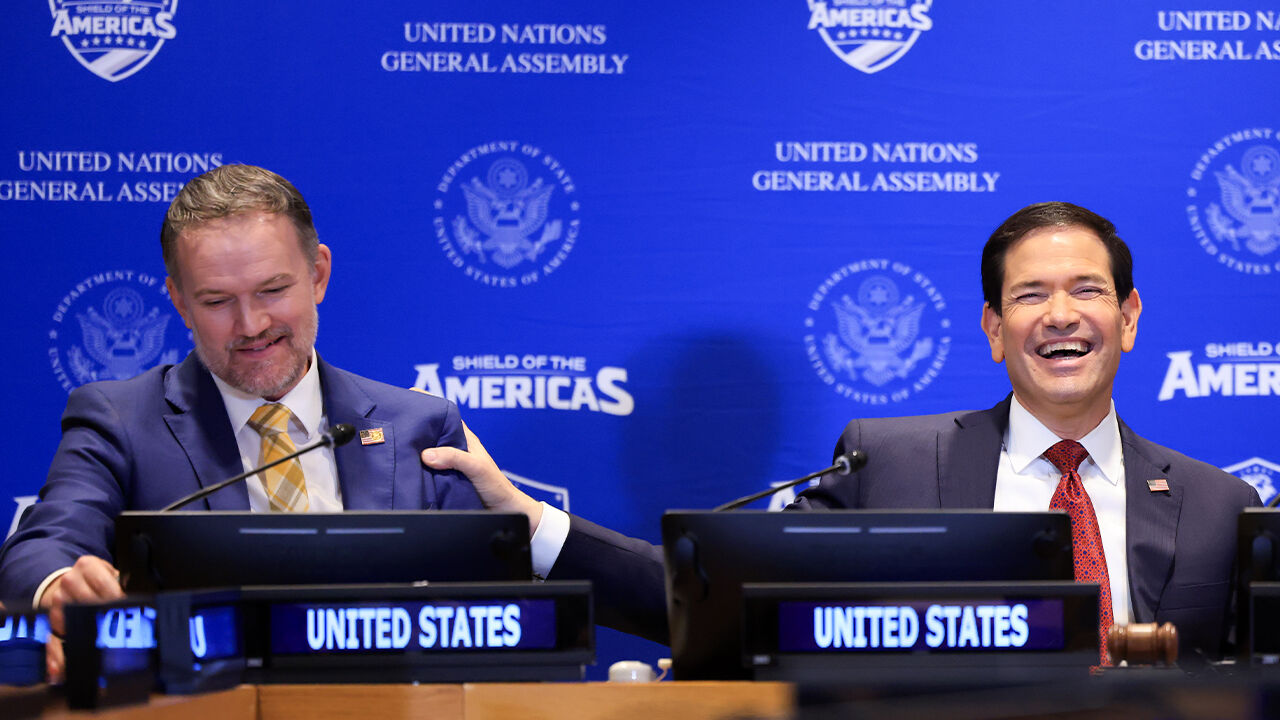
▲ U.S. Trade Representative Jamieson Greer (left) and U.S. Secretary of State Marco Rubio
U.S. Trade Representative Jamieson Greer stated on the 25th (local time) that progress was made in trade negotiations with China held on the occasion of the U.S.-China summit, and that the results will be revealed next Monday (the 28th).
Appearing on CNBC that day, Greer said, "There has been progress. We will announce much more detailed information on Monday regarding what we have achieved through negotiations with China over the past few weeks."
This appears to align with a report by China's state-run Xinhua News Agency, which stated that Chinese President Xi Jinping mentioned during his meeting with U.S. President Donald Trump the previous day that "the economic and trade teams of both sides have reached a new consensus, which is good news for the industries and peoples of both countries, and furthermore for the global economy."
While Greer did not disclose in which sectors or with what content progress was made, it is possible that the high-level agreement to extend the two countries' "trade truce" by an additional two months was included.
Greer negotiated alongside U.S. Treasury Secretary Scott Bessent against Chinese Vice Premier He Lifeng, and Bessent stated on the 23rd that the two sides agreed to extend the trade truce, which was set to expire on November 10, by two months.
Greer recalled, "China has agreed to purchase soybeans and more (U.S.) agricultural products, and we are closely monitoring this. They have promised to supply rare earths necessary for our factories and manufacturing."
He stated that the suspension period of the trade war serves as a time to monitor the implementation of such commitments, adding, "We evaluate and reevaluate the situation to decide whether to continue this period of relative peace on the economic front with China."
The United States believes that while China faithfully fulfilled its promise to purchase 25 million tons of soybeans, the fulfillment of its promise to buy other agricultural products worth 17 billion dollars has been sluggish.
It is also assessed that rare earths are not being supplied on time due to delays in China's export reviews.
Regarding the reduction of tariffs on non-sensitive items through the U.S.-China Joint Commission on Commerce and Trade, Greer introduced, "We have reached an agreement with China on several issues. These are areas that will be exempted from such items even if trade disputes or tariff measures arise in the future."
However, regarding U.S. export controls on advanced semiconductors to China, Greer said, "They are the most valuable assets of U.S. technology and the means by which we stay ahead in the superintelligence or artificial intelligence (AI) race," adding, "Such conversations barely took place in these negotiations."
He stated, "These negotiations are about pure trade issues and practical economic outcomes—enabling our farmers, ranchers, and others to get their products to market, and securing the rare earths needed for manufacturing," and emphasized, "Export controls (on semiconductors), which are a national security issue, are excluded from the negotiation agenda."
(Photo: AP, Yonhap News)
※ Please note: This article was translated by AI and may contain errors.


 Video News
 Video News
 Video News
 Video News
 Video News