
 KOR
KOR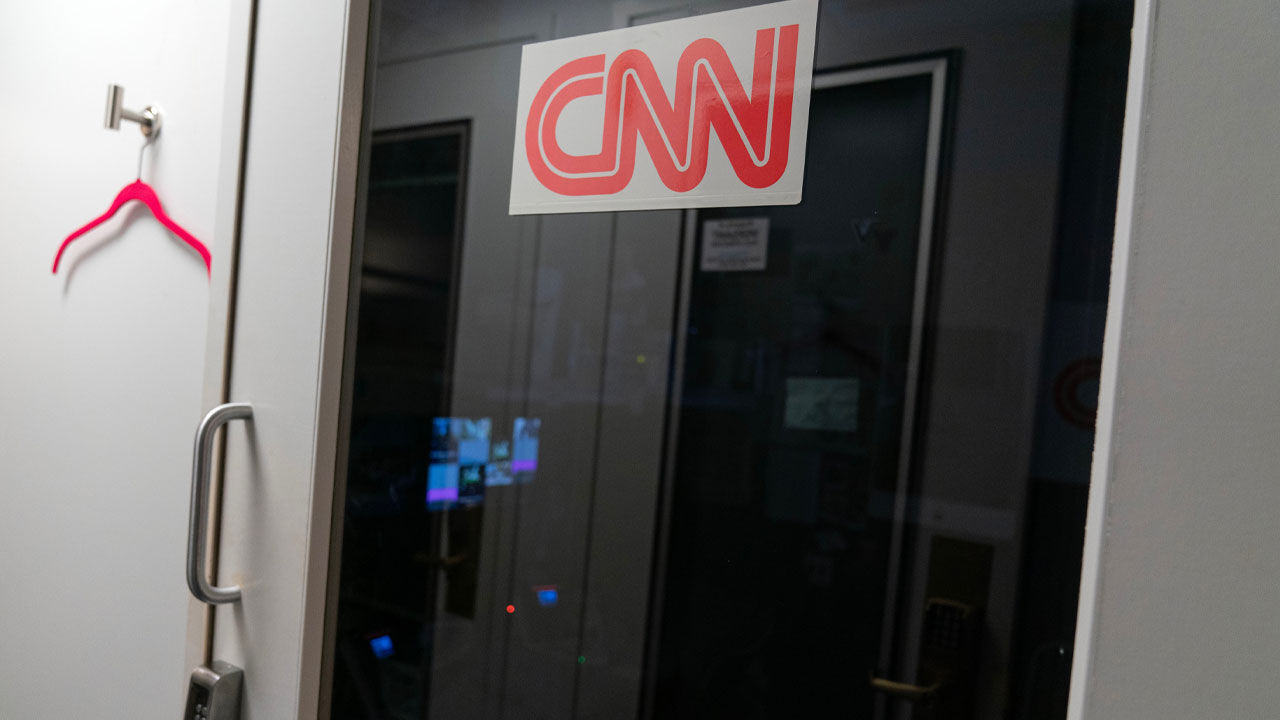
▲ CNN Press Booth Inside the White House
A federal court has blocked the Donald Trump administration's decision to ban three media outlets—CNN, MSNow, and Politico—from accessing the White House.
According to major U.S. media reports on the 24th (local time), Judge Timothy Kelly of the U.S. District Court for the District of Columbia (D.C.) granted a request filed by the three media companies, issuing a temporary restraining order and instructing that their White House press access be restored.
A temporary restraining order is an emergency measure issued by a judge in the U.S. judicial system when an urgent situation is recognized. It is typically granted to maintain the status quo before deciding on a preliminary injunction, which requires a formal hearing and deliberation.
The temporary restraining order is set to last for 14 days, during which more detailed case reviews and hearings are expected to take place, following standard legal practices.
Judge Kelly held an emergency hearing on the 23rd to question both sides and issued the ruling in the early hours of the 24th.
According to the Associated Press, Kelly was appointed as a federal district court judge in 2017 during Trump's first term, and in 2018, he previously ruled to restore a CNN reporter's press credentials during a similar incident.
Earlier on the 18th, President Trump labeled the three outlets "fake news" and announced a ban on their entry into the White House.
However, the media outlets filed for the temporary restraining order, arguing that they were targeted because of their reporting content, that they suffered viewpoint discrimination, and that the ban was a "clear violation" of the First Amendment, which guarantees freedom of the press.
Judge Kelly stated that the media companies had met the legal requirements necessary to obtain a temporary restraining order.
These requirements include demonstrating a likelihood of success on the merits and the potential for irreparable harm if a court order is not issued.
Judge Kelly also explained that, following the principle of stare decisis, he adhered to existing precedents from the D.C. Circuit Court of Appeals on similar cases.
During the emergency hearing on the 23rd, he raised questions about whether the administration had fulfilled its legal obligations and followed due process before banning the outlets.
At the hearing, Justice Department attorney Michael Velcik, representing the federal government, reiterated the administration's stance that the president has the authority to choose who enters the White House, arguing that "White House access is a privilege, not a right."
He also argued that President Trump did not engage in viewpoint discrimination.
(Photo: AP, Yonhap News)
※ Please note: This article was translated by AI and may contain errors.



 Video News


