
 KOR
KOR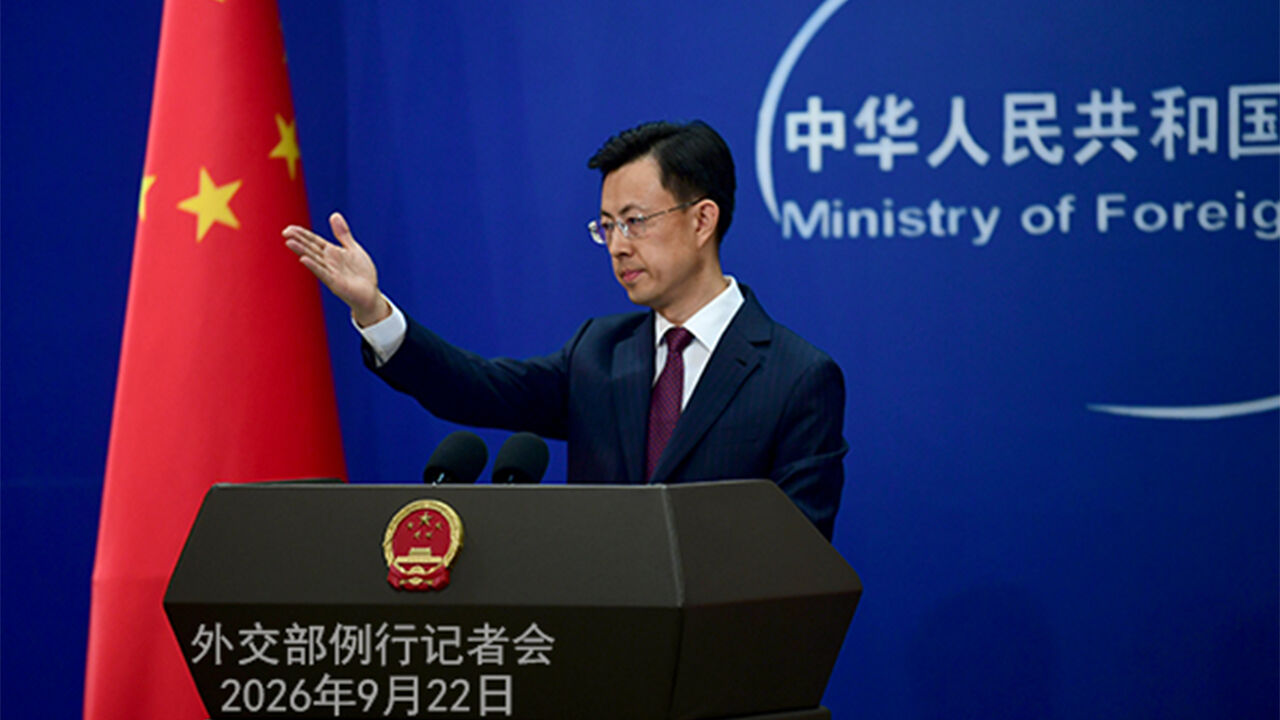
▲ Guo Jiakun, Spokesperson for China's Ministry of Foreign Affairs
The Chinese government has emphasized the ongoing necessity of the "enemy state clause" within the United Nations Charter, stating that the provision holds "significant practical meaning," in response to Japanese Prime Minister Sanae Takaichi's call for its deletion.
During a regular press briefing on September 23, Chinese Foreign Ministry Spokesperson Guo Jiakun made the remarks when asked about Beijing's stance on Prime Minister Takaichi's UN address, noting that "the international community pays more attention to what Japan does than what it says."
Guo asserted that "post-war Japan's ideology of a peaceful state was built on the foundation of deep reflection on history and a thorough break with militarism," adding that "Japan's current administration is denying its history of aggression and pushing for military buildup and rearmament."
"The UN Charter's 'enemy state clause' is an important institutional safeguard designed to prevent fascism and militarism from once again threatening international peace and security," Guo emphasized, adding that "as an institutional guarantee defending the post-war international order, it still holds important practical meaning today."
Guo further urged Japan to "use history as a mirror, engage in deep self-reflection, and earn the trust of its Asian neighbors and the international community through concrete actions."
During her address at the UN General Assembly held in New York on September 22 (local time), Prime Minister Takaichi called for the removal of the UN Charter's "enemy state clause," which targets defeated nations from World War II.
The enemy state clause is a provision that allowed victorious nations of World War II to take military action without authorization or a declaration of war by the UN Security Council to prevent renewed military provocations by defeated countries such as Germany and Japan.
After Prime Minister Takaichi hinted at "intervention in a Taiwan contingency" last November, China previously cited this clause to argue for the legitimacy of military countermeasures against Japan.
(Photo provided by China's Ministry of Foreign Affairs, Yonhap News)
※ Please note: This article was translated by AI and may contain errors.


 Video News
 Video News
 Video News
 Video News
 Video News