
 KOR
KOR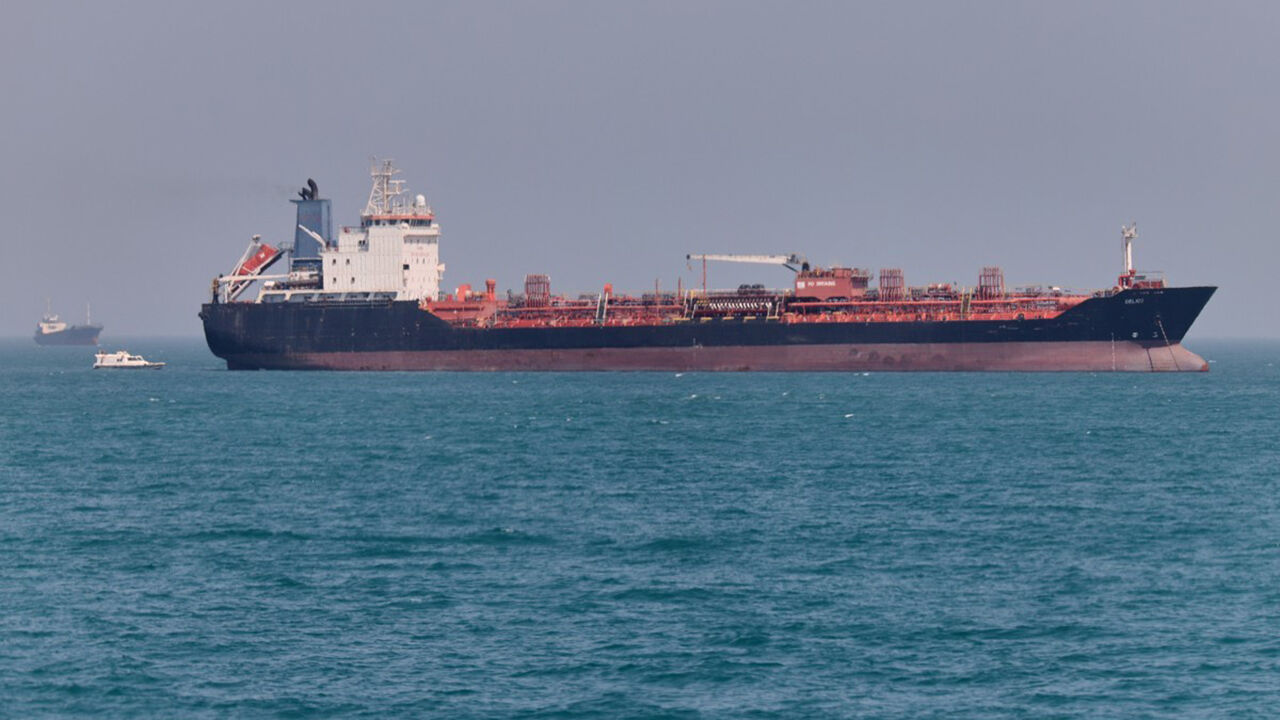
▲ An oil tanker in the Strait of Hormuz (file photo)
As disruptions to maritime supply chains prolong due to the war involving Iran, charter rates for Very Large Crude Carriers (VLCCs) traveling between the Middle East and Asia have surpassed $1.2 million (approx. 1.62 billion KRW) per day, hitting an all-time high, the UK's Financial Times (FT) reported on the 23rd (local time).
According to shipbroker Braemar, charter rates for 2 million-barrel supertankers on the Middle East-China route have nearly doubled since late August, soaring to this level.
Last year, VLCC charter rates remained between $20,000 and $50,000 per day.
Before the outbreak of the war, rates had climbed to $120,000 per day in February due to vessel shortages, but even that is significantly lower compared to current levels.
The skyrocketing tanker charter rates are driven by a shortage of ultra-large vessels.
While the number of available supertankers is limited, the prolonged war involving Iran has forced tankers to haul crude from regions outside the Middle East, lengthening the actual crude transportation duration.
"Indian refiners are importing crude from Brazil, Guyana, West Africa, and the North Sea," explained Morgan Stanley analyst Martijn Rats. "This means it takes 30 to 40 days to transport crude."
While some tankers still transport Middle Eastern crude, another issue is that passing near the Gulf of Oman takes longer than in the past.
Crude passing through the Strait of Hormuz is currently transshipped in the Gulf of Oman before being moved to other countries.
According to shipbroker Clarksons, about 15% of the global tanker fleet is waiting off the coast of Oman for transshipment.
"While waiting for cargo, supertankers are sitting idle for about 10 days," Rats explained.
As crude transport costs increase, refiners have begun cutting production of refined products such as gasoline and diesel due to deteriorating profitability, causing refined product prices to also break all-time highs.
Conversely, crude oil prices are edging down due to reduced demand.
Hengli Petrochemical, one of China's largest refiners, cut the operating rate of its 400,000 barrel-per-day Dalian refinery to 80% as refining margins worsened.
Amrita Sen, founder of energy consulting firm Aspects, described the current situation by saying, "Everyone wants crude oil, but no one wants to buy it."
(Photo: AP, Yonhap News)
※ Please note: This article was translated by AI and may contain errors.


 Video News
 Video News
 Video News
 Video News
