
 KOR
KOR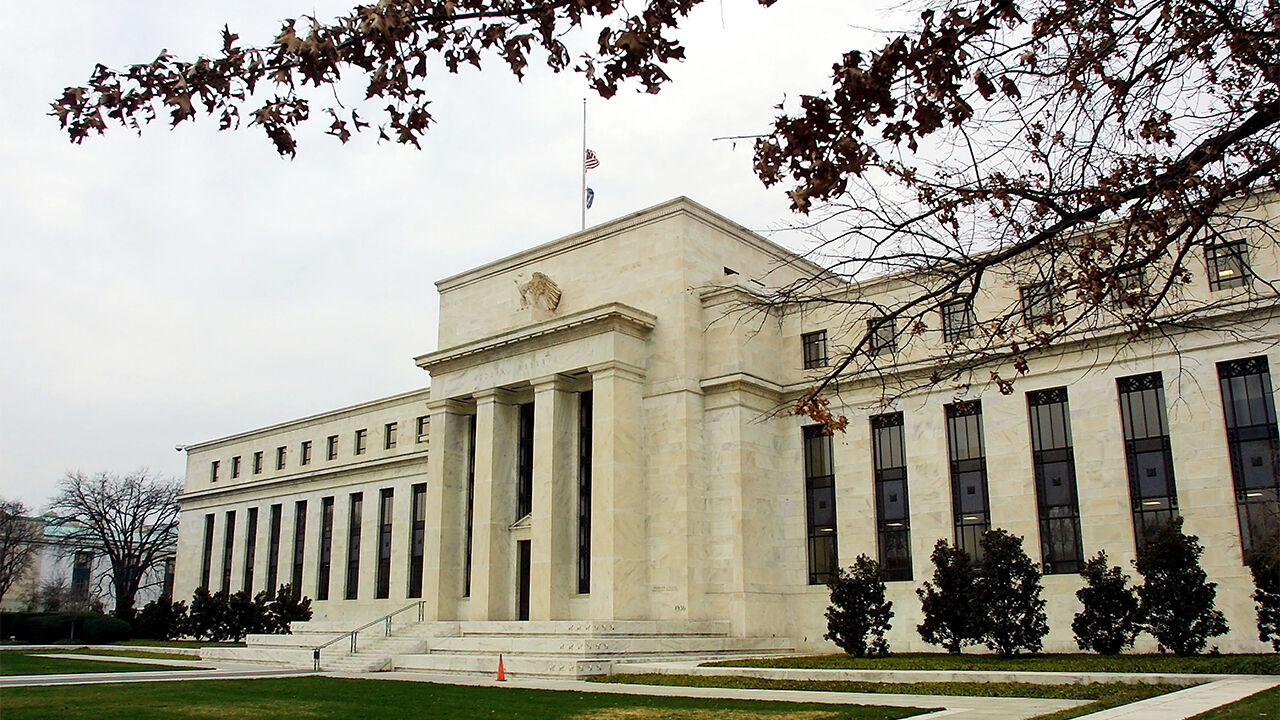
▲ Federal Reserve Headquarters
Senior officials at the U.S. Federal Reserve have made a series of remarks emphasizing price stability and the structural stability of the financial system following the Fed's benchmark interest rate hike last week.
Susan Collins, president of the Federal Reserve Bank of Boston, said in a post on LinkedIn on the 22nd (local time), "Considering all the information currently available, I believe the likelihood of a scenario where inflation remains significantly above 2% has increased."
Collins explained, "While upward pressure on prices has grown, labor market conditions appear generally solid, and the unemployment rate also remains at a low level."
She added, "Now that the labor market is on a more stable footing, monetary policy can focus on a timely return to price stability."
Collins emphasized, "This is especially true given that inflation has been excessively high over the past five and a half years," adding that "a somewhat more restrictive federal funds rate will help sustainably return inflation to the target level."
Thomas Barkin, president of the Federal Reserve Bank of Richmond, also evaluated in a speech at an event in Baltimore on the same day that the recent U.S. economy is becoming rather robust, underpinned by sustained consumption and solid growth, while warning that recent inflation trends are not merely temporary supply chain factors such as energy or tariffs.
Barkin said, "Risks related to inflation still outweigh risks related to maximum employment," adding, "That is why we raised the benchmark interest rate at our meeting last week."
However, he took a cautious stance regarding the necessity or frequency of additional rate hikes, saying, "We will have to wait and see."
Remarks regarding the Fed's policy implementation framework and market infrastructure maintenance also followed.
According to Reuters, John Williams, president of the Federal Reserve Bank of New York, assessed that interest rate control tools are working well, while stating that fine-tuning them in response to financial market changes is also possible.
Speaking in a keynote address at a U.S. Treasury market conference in New York, Williams said that the approach of using current short-term interest rate management tools to supply "ample" reserves to the financial system has "proved to be very effective" in supporting the smooth functioning of core financial markets and controlling interest rates.
He left open the possibility of flexible adjustments depending on market conditions, stating, "As markets evolve over time, we must ensure that our policy tools are well-suited to perform their intended functions."
In the same event, Federal Reserve Vice Chair Philip Jefferson said that the Fed recently improved its emergency lending facility (discount window), making it much easier for financial institutions to use, which supports market liquidity, financial stability, and the implementation of monetary policy.
(Photo: Getty Images)
※ Please note: This article was translated by AI and may contain errors.


 Video News
 Video News
 Video News
 Video News
 Video News