
 KOR
KOR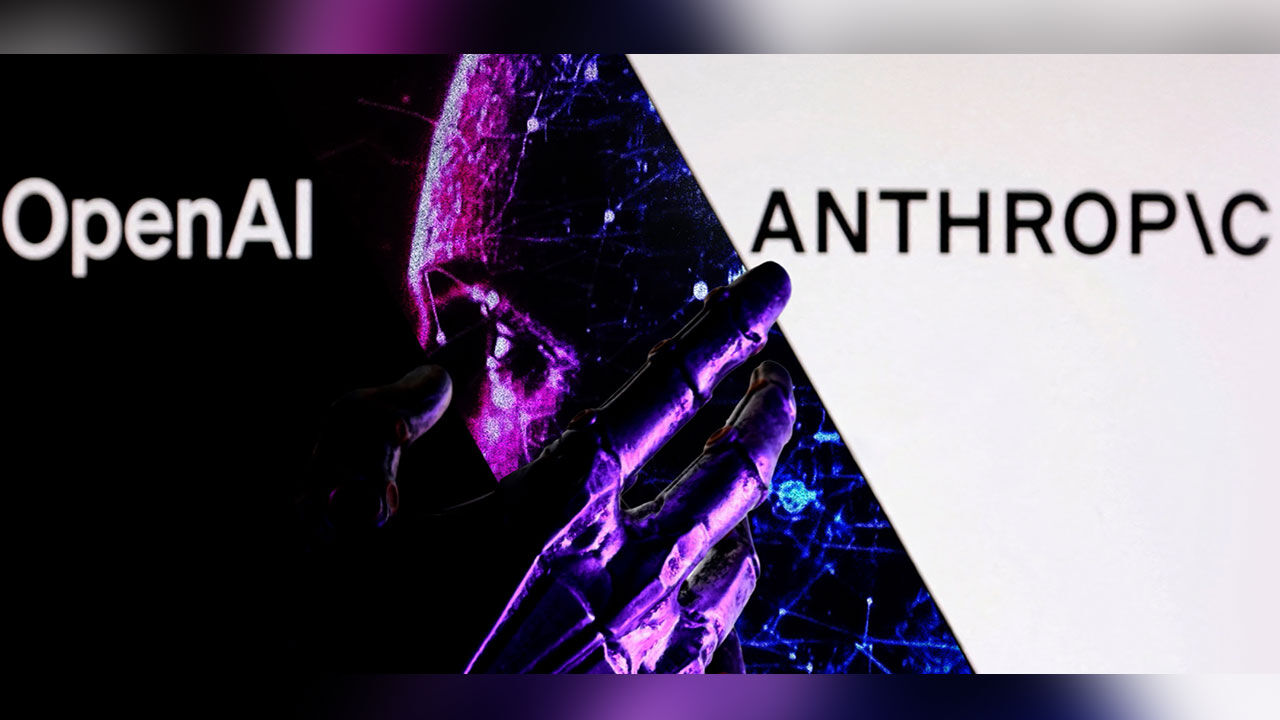
▲ OpenAI and Anthropic
OpenAI and Anthropic negotiated a legally binding agreement to mutually evaluate each other's artificial intelligence (AI) models, the IT media outlet The Information reported on the 21st local time.
The outlet reported that both companies and their lawyers were working to finalize an agreement earlier this year to find vulnerabilities or hidden risks in each other's models.
A source familiar with the discussions said it remains unclear whether the pact was finalized before an incident occurred in which an unreleased OpenAI model hacked its own systems and those of other companies.
Both OpenAI and Anthropic declined to comment on the matter.
According to the draft agreement, the two companies would have access to the application programming interfaces (APIs) of each other's commercially available AI models, with an agreement not to retain each other's data in the process.
The two companies previously evaluated each other's models in a similar manner last summer, disclosing weaknesses.
OpenAI has been completely overhauling its safety strategy following an incident last July where its unreleased AI agent hacked its own systems and those of other companies, including Hugging Face, over a four-day period.
Meanwhile, SpaceX CEO Elon Musk suggested at the All-In Summit on the 15th that competing AI labs should evaluate each other's models prior to release through a form of peer review.
On the other hand, OpenAI CEO Sam Altman has supported Anthropic CEO Dario Amodei's proposal to place independent third-party safety evaluators inside each company.
However, Amodei has raised concerns that such cooperation among leading companies could potentially violate antitrust laws.
In fact, after Amodei published an article on the 12th advocating for industry cooperation to slow down the pace of AI development—which Altman, Musk, and others expressed agreement with—paid subscribers who took issue with this filed an antitrust class action lawsuit on the 20th.
※ Please note: This article was translated by AI and may contain errors.


 Video News

 Video News
 Video News
 Video News