
 KOR
KOR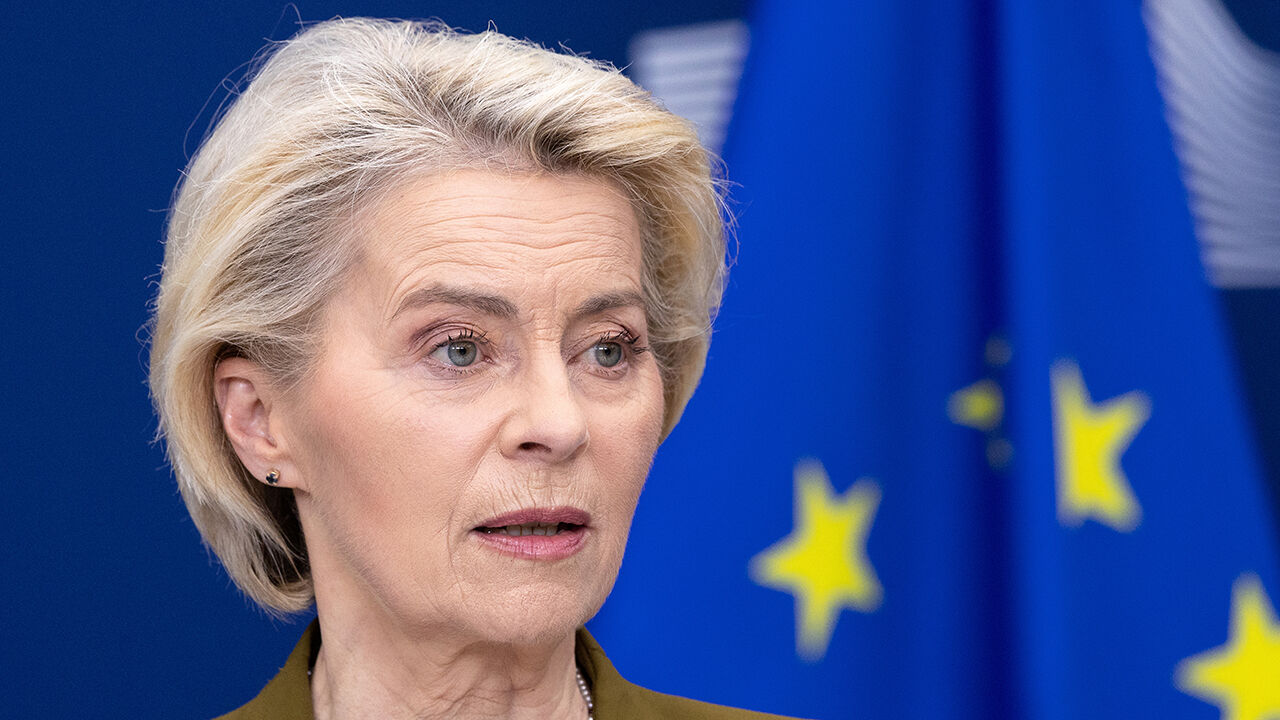
▲ European Commission President Ursula von der Leyen
The European Union (EU) is pushing for legislation to completely ban children under 13 from using social media across all 27 member states.
Under the plan, teenagers aged 13 to 14 are expected to be permitted limited access only through restricted "mini-accounts" that require parental supervision.
During her annual policy address at the European Parliament in Strasbourg, France, on the 16th (local time), European Commission President Ursula von der Leyen unveiled the social media restriction plan, referred to as the "EU Kids Act."
According to the bill, children under 13 will be entirely banned from using social media platforms such as TikTok and Instagram.
Children aged 13 and 14 will be allowed to use new "mini-accounts" under parental supervision, which will restrict contact with strangers and limit overall usage time.
Independent account use will be permitted starting from the age of 15.
In her speech, President von der Leyen stated, "The issue is not minors accessing social media. The issue is when and how we allow social media to access minors."
She also pointed out that European youth spend four to six hours a day in front of screens, noting that "children are being drawn deeper and deeper into feeds designed to keep them scrolling endlessly."
The New York Times (NYT) assessed that this bill will be the largest measure yet amid a global movement to restrict children's social media access and screen time.
With a population of 450 million, the EU has long acted as a strong regulator of the tech industry, exercising its authority to force companies to alter their products and policies.
Over the past several years, Apple has modified its App Store, Google its search engine, and Meta Platforms its data privacy practices to comply with EU regulations.
The European Commission is scheduled to announce detailed specifics regarding the social media regulations on the 17th.
Following this, the bill will go through the legislative process with member states and the European Parliament.
The NYT noted that one of the core challenges will be how to enforce the new rules, pointing out that criticism has emerged in Australia where teenagers easily bypassed blocking measures, leaving similar regulations falling short of their expected impact.
(Photo: Getty Images)
※ Please note: This article was translated by AI and may contain errors.


 Video News
 Video News


 Video News