
 KOR
KOR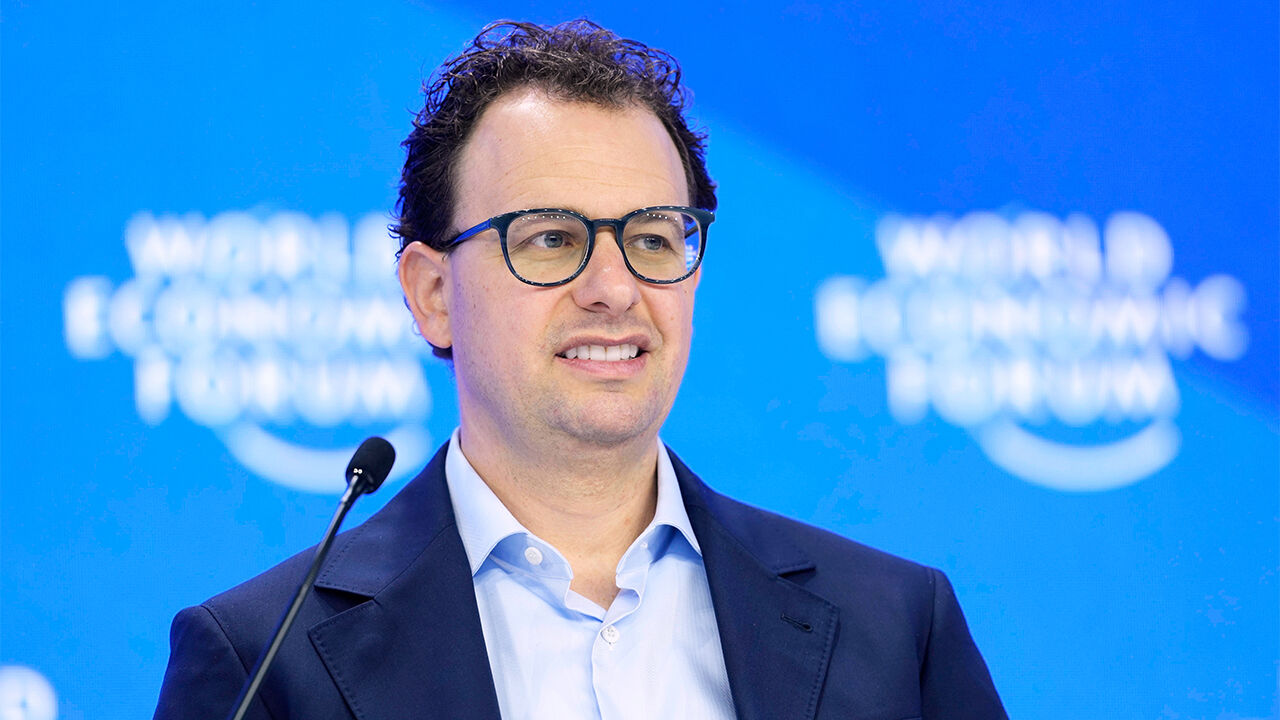
▲ Dario Amodei, CEO of Anthropic
Bloomberg reported that moves by artificial intelligence (AI) companies such as Anthropic and OpenAI to cooperate on safety standards with each other and the U.S. government are drawing backlash from startups.
According to a report by Bloomberg on the 15th, executives at AI-related startups are concerned that the "AI deceleration" and "safety standards" proposed and endorsed by top-tier companies will act as "regulatory barriers" blocking competition with smaller, late-stage challengers.
The concern is that this could concentrate rule-making power in the hands of top-tier companies and increase their grip on the emerging industry.
"Regulatory barriers always favor incumbent operators," said Parag Ally, CEO of Cognichip, which is developing a semiconductor design efficiency model. "It is like building a wall after you have already crossed over."
Navin Rao, CEO of AI computer startup Unconventional AI, said the biggest risk is limiting the diversity of efforts within the industry, adding, "We don't want Anthropic to be a single culture running virtually every app."
Aidan Gomez, CEO of Canadian AI startup Cohere, wrote in a blog post that leading AI companies could form a sort of "cartel," noting, "These oligopolies are now asking to distort the rules of competition and set the terms for everyone else."
Previously, Anthropic CEO Dario Amodei suggested on the 12th that leading model developers "voluntarily cooperate to set standards" and slow down the pace of technological advancement to reduce the potential for catastrophic harm, while also calling for regulations that encompass companies that do not respond to such cooperation.
He stated that the U.S. government should provide a "narrow waiver" to allow cooperation on safety standards without antitrust scrutiny.
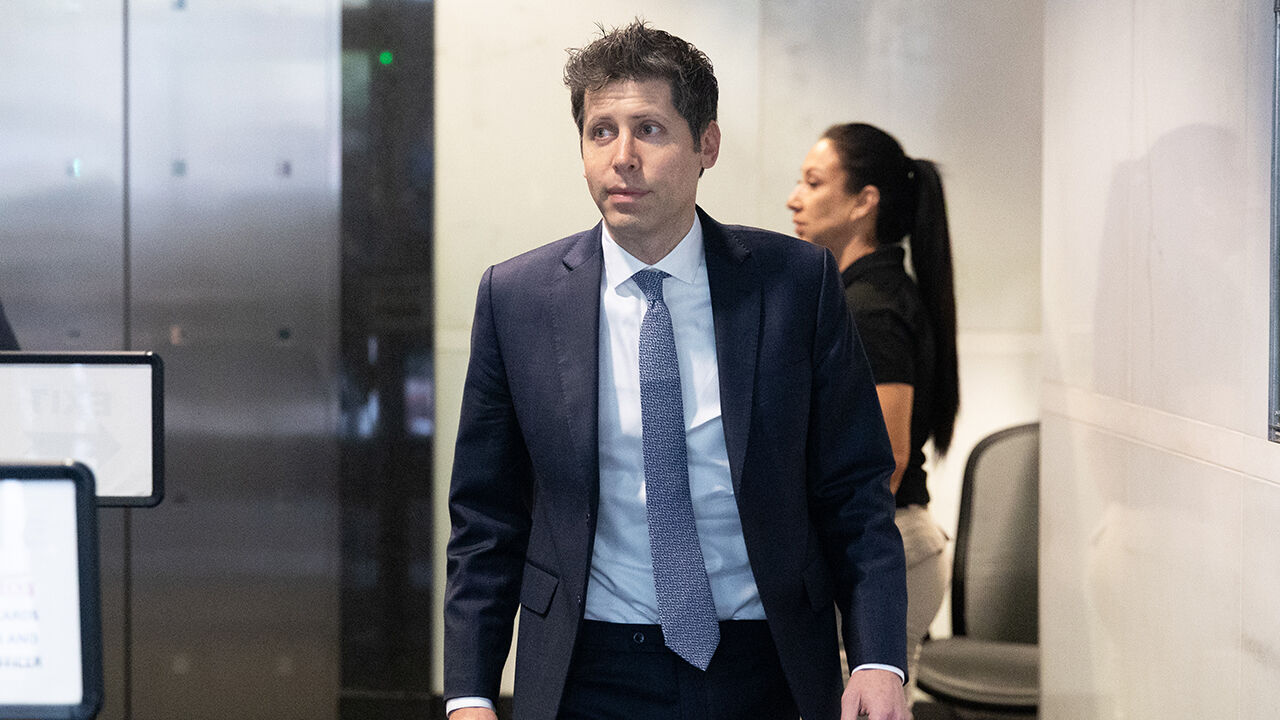
This proposal received immediate support from OpenAI and SpaceXAI.
In response, Andrew Ferguson, a commissioner at the U.S. Federal Trade Commission (FTC), criticized at an event on the 15th that "alarm bells ring when companies demand all sorts of regulations and antitrust exemptions at the same time," noting that AI companies are "demanding barriers to entry" to block competitors.
David Sacks, chairman of the White House Council of Science and Technology Advisors, also pointed out that companies can slow down on their own without government permission, making this cooperation "look like a cartel."
Gil Luria, head of technology research at D.A. Davidson, said, "Silicon Valley has played this game before. They use regulatory ambiguity to grow their business, and once they are big enough, they kick away the ladder and accept regulations that they are big enough to handle and lead themselves."
The cooperation among leading AI companies is becoming increasingly organized.
Chris Lehane, Chief Global Affairs Officer (CGAO) at OpenAI, stated that an antitrust exemption is not necessary and that cooperation with Anthropic and Google on AI safety responses has already been underway.
Anthropic, OpenAI, and Google are also reportedly discussing the establishment of a separate joint AI safety standards organization.
In addition, SV Angel, a venture capital firm that has invested in Anthropic and OpenAI, recruited former Obama administration White House Press Secretary Jay Carney and launched "Project Blueprint," which jointly designs AI policies such as frontier model governance.
Carney (KANNY) said, "We do not work for any single company's agenda," adding, "Every part of the AI world must be able to have a voice."
Both the CEOs of Anthropic and OpenAI have publicly endorsed Project Blueprint.
(Photo: AP, Yonhap News/Getty Images)
※ Please note: This article was translated by AI and may contain errors.



 Video News

 Video News
 Video News