
 KOR
KOR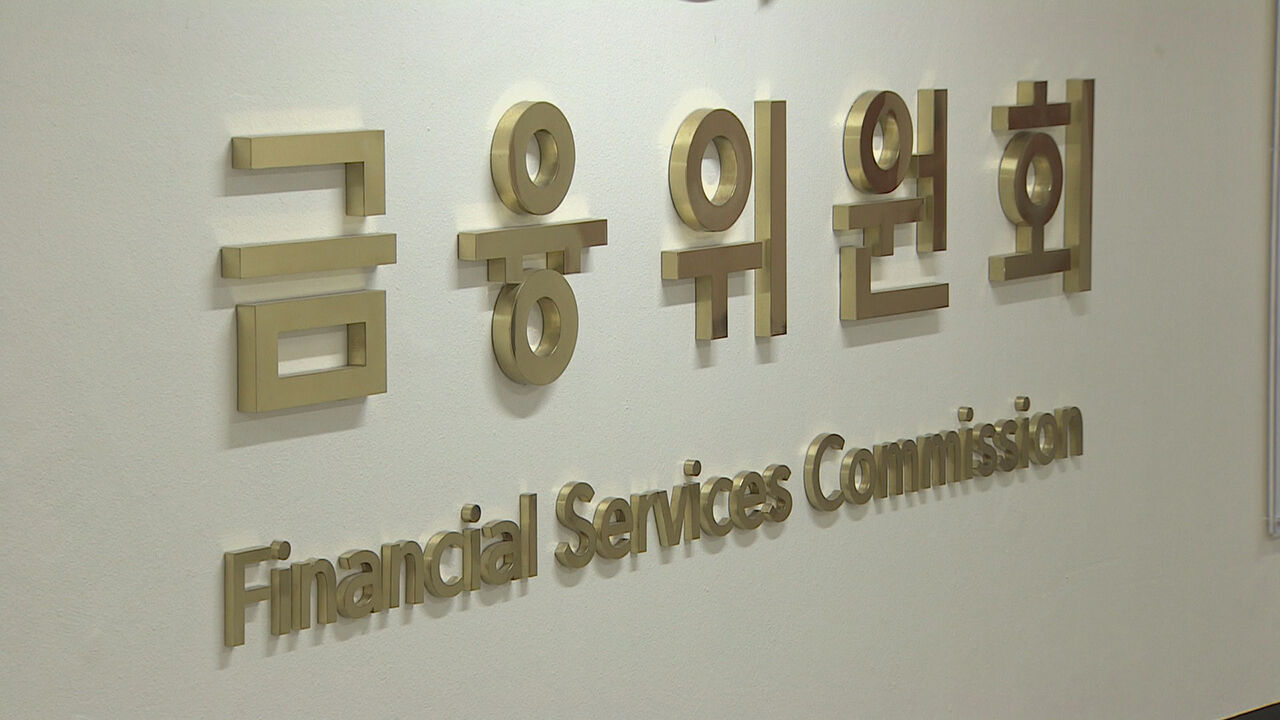
▲ Financial Services Commission
The Financial Services Commission (FSC) has tightened measures to prevent the abuse of power by the Financial Supervisory Service's (FSS) Capital Markets Special Judicial Police.
The FSC has minimized the grounds for written resolutions by the investigation deliberation committee responsible for deciding on the launch of investigations, effectively making in-person meetings mandatory.
According to financial authorities today (the 15th), the FSC concluded an administrative notice period the previous day for a revision of the operational rules for the Capital Markets Special Judicial Police, which includes these measures to reorganize the operation of the FSS Capital Markets Special Judicial Police deliberation committee.
The revised bill contains provisions strengthening the requirements for written resolutions by the FSS Capital Markets Special Judicial Police deliberation committee.
Previously, agenda items could be resolved in writing "when the chairperson deems it unavoidable," provided an explanatory statement detailing the necessity was attached.
However, the revised bill stipulates that agenda items can be resolved in writing "only when it is deemed realistically difficult to hold an in-person meeting due to the outbreak of infectious diseases, natural disasters, or other equivalent circumstances."
By minimizing the conditions for written resolutions, in-person resolutions have been virtually mandated.
With the granting of autonomous investigation rights to the FSS Capital Markets Special Judicial Police in March of this year, investigative cases can now be transitioned to special judicial police investigations through the deliberation committee without requiring a prosecution accusation or notification from the Securities and Futures Commission (SFC).
Previously, the process required a series of steps including the SFC's prosecution accusation or notification, transfer to the prosecution, and the prosecution's decision to launch an investigation by the special judicial police, but the granting of autonomous investigation rights has shortened this process.
While the granting of autonomous investigation rights has enhanced investigative speed, concerns over potential abuses of power have also been raised.
This revision is interpreted as an effort by authorities to strike a balance between prompt investigations and the prevention of over-concentration of power.
Additionally, the revised bill establishes a new provision requiring the head of the relevant investigation department to report the results to the Chairperson of the Securities and Futures Commission when transitioning an investigative case to an official investigation.
A financial authority official explained, "This is a measure for the Securities and Futures Commission, the legal entity governing capital market unfair trade investigation operations, to exercise post-management so that administrative penalties such as fines can still be imposed separately even if an investigative case transitions to an investigation and incurs criminal punishment."
In preparation for the launch of the Prosecution Service next month, terms and expressions have also been streamlined in this revision to prevent confusion in line with the reorganization of the criminal justice system.
Accordingly, among the scope of investigation initiation by the FSS Capital Markets Special Judicial Police, cases previously categorized as "cases directed for investigation by a prosecutor" will be changed to "cases transferred by the Head of the Major Crime Investigation Agency."
Furthermore, as the relationship between prosecutors and the special judicial police has been changed to "mutual cooperation," certain expressions have been modified from the special judicial police "reporting" to the chief prosecutor of the district prosecutors' office upon initiating an investigation to "notifying" the Head of the Major Crime Investigation Agency or the head of the competent district prosecution service or branch office.
(Photo: Yonhap News TV, Yonhap News)
※ Please note: This article was translated by AI and may contain errors.


![The 'Crazy Race' of a Korean High Schooler That Shattered Japan Swimming's 'Solo Run'... [AG Then and There]](http://img.sbs.co.kr/newimg/news/20260915/202222542_300.jpg) Video News
Video News
 Video News
!["It Has Become a Sea of Tears, Are You Going Through Menopause?" Rep. Kim Seung-won Direct Hit Over Remarks [Baroi News]](http://img.sbs.co.kr/newimg/news/20260915/202222565_300.jpg) Video News
Video News
 Video News
