
 KOR
KOR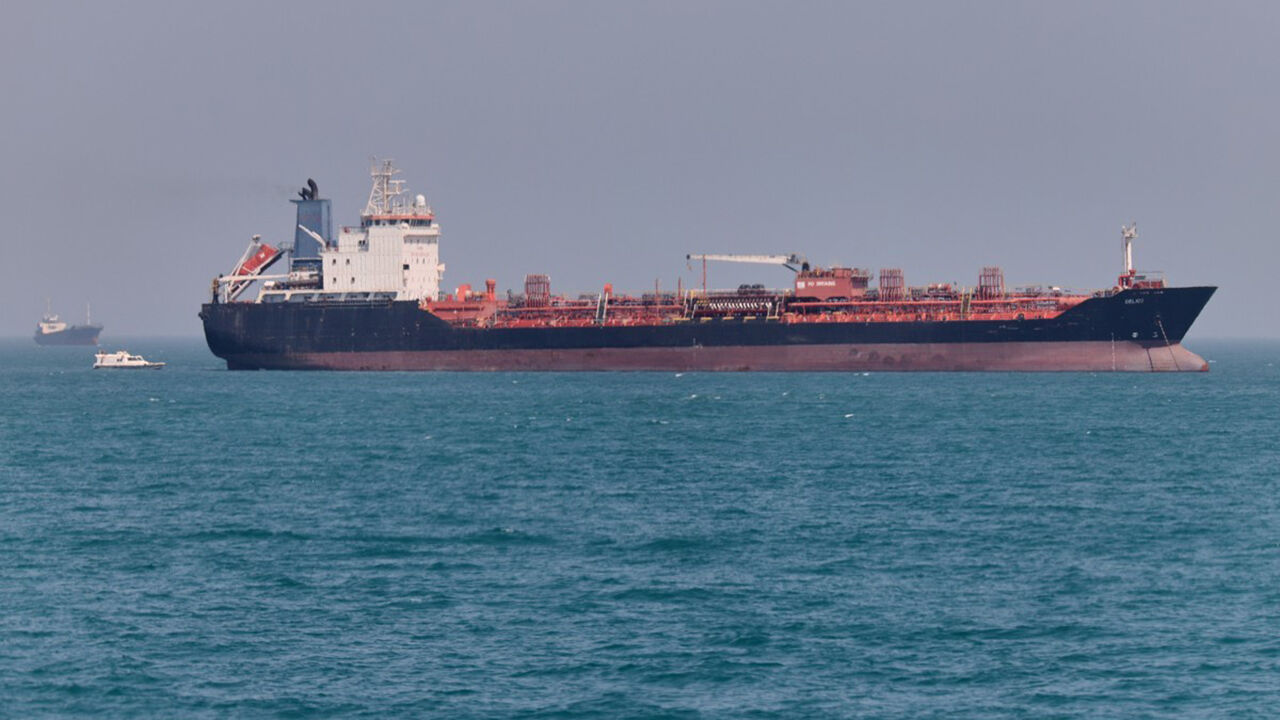
▲ Tankers in the Strait of Hormuz (File Photo)
Foreign-minister-level officials from Iran, Iraq, and Gulf nations are scheduled to meet in the southern Omani city of Salalah today (local time, Sept. 14) to discuss issues including the Strait of Hormuz.
This marks the first time that ministerial-level officials from these countries are gathering in one place since the war began following the airstrikes on Iran by Israel and the United States in late February.
In an interview with the UK-based Arabic media outlet Al-Araby Al-Jadeed (English edition: The New Arab), Iranian Foreign Minister Abbas Araghchi stated that seven countries will attend the meeting: five members of the Gulf Cooperation Council (GCC)—Saudi Arabia, the United Arab Emirates (UAE), Kuwait, Qatar, and Oman—excluding Bahrain, along with Iran and Iraq.
However, some foreign media outlets, including Bloomberg, have raised doubts about whether all of these countries will actually attend.
Minister Araghchi stated that the most important and virtually the sole agenda item for this meeting is "the issue of new maritime shipping routes in the Strait of Hormuz."
He noted that an agreement on opening the routes has already been reached between Iran and Oman, navigational charts have been drawn, and a draft joint statement has been prepared, adding that the details will be explained to participating countries during the meeting.
He introduced that the details and specifications of the new inbound and outbound transit routes through the Strait of Hormuz have been finalized.
However, he emphasized that this agreement "does not mean the Strait of Hormuz is being opened."
The agreement between Iran and Oman merely establishes the framework and operational system for maritime traffic to take place if conditions for reopening the Strait of Hormuz are actually met, he said, adding that "Iran's condition for reopening the strait is the implementation of commitments by the United States under the Islamabad Memorandum of Understanding (MOU)."
Minister Araghchi also argued that the primary reason maritime security in the Strait of Hormuz cannot currently be guaranteed is "aggressive actions and illegal interventions by the United States, including its maritime blockade and economic warfare."
In response to a reporter's question asking whether this meeting aims to establish a new regional security architecture without U.S. participation, he answered, "That is neither the purpose nor the agenda of this meeting."
At the same time, he added, "It is natural for regional countries to talk and consult with one another on regional issues and difficulties, and we believe regional issues should be managed by regional countries themselves," noting that "the more dialogue and cooperation there are among neighboring countries, the more the room for external intervention or mediation naturally diminishes."
Iran's state-run IRNA news agency also reported that this meeting will serve as "a first step toward establishing a regional security cooperation framework."
Regarding the recent situation where Yemen's Iran-backed Houthi rebels seized control of the Bab el-Mandeb Strait and clashes with Saudi Arabia escalated, Minister Araghchi drew a line, stating, "This meeting is not being held to discuss the Yemen issue or to resolve conflicts among regional countries."
(Photo: AP, Yonhap News)
※ Please note: This article was translated by AI and may contain errors.



 Video News
 Video News
 Video News
 Video News
