
 KOR
KOR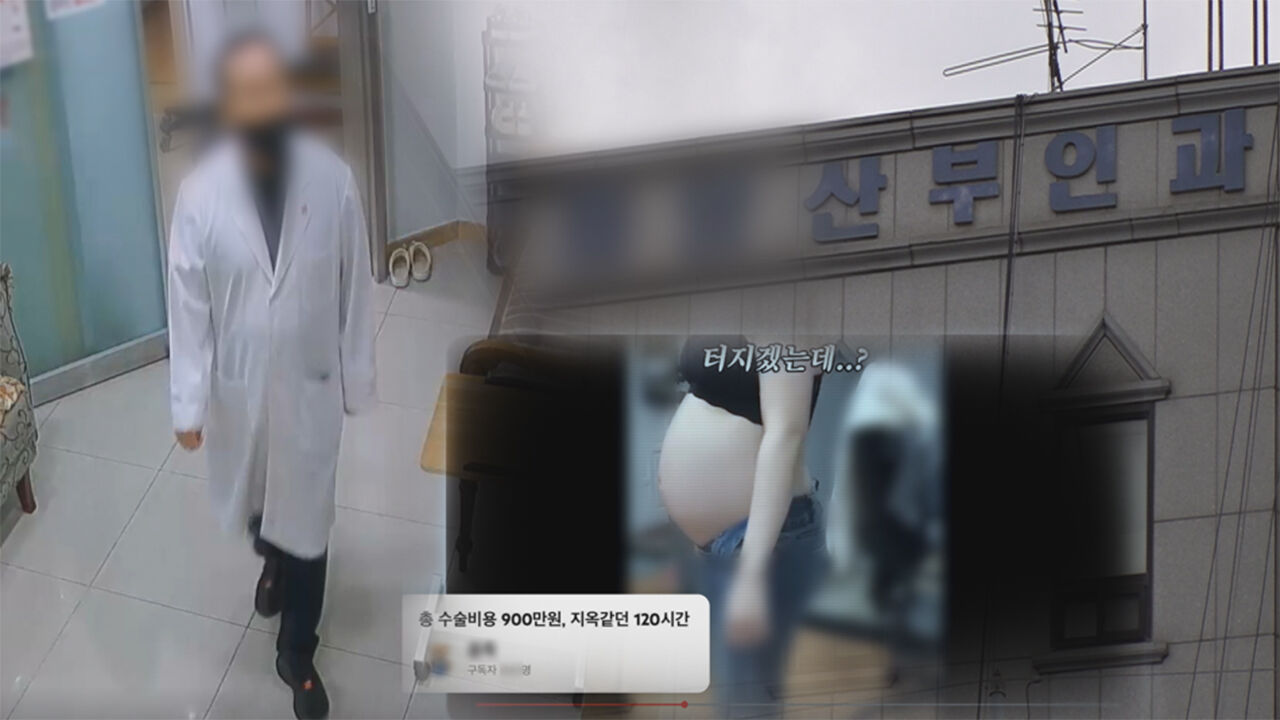
On September 12, SBS's "Unanswered Questions" investigated the reality of late-term abortion businesses catering to pregnant women in advanced stages of gestation.
In June 2024, a heavily pregnant woman at 36 weeks—just one month away from her due date—sparked massive public outrage after uploading a vlog documenting her abortion procedure. Criticized as fetal homicide, the case led to a police investigation that revealed the pregnant woman in her 20s, identified as Ms. Kwon, had undergone an abortion at an obstetrics and gynecology clinic in Incheon.
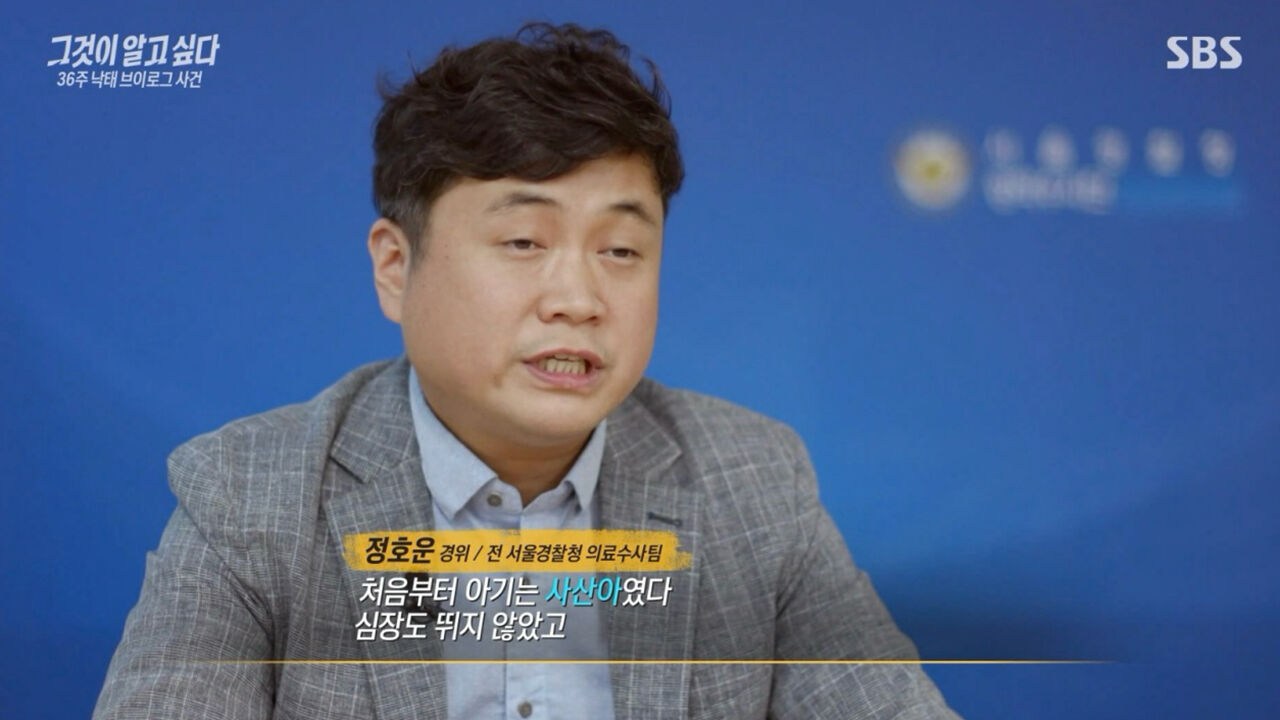
The clinic's director claimed that the fetus was already stillborn and that he merely performed an emergency cesarean section to deliver it from the mother. At the time, none of the personnel present in the operating room—including the lead operating surgeon, the anesthesiologist, and three nursing assistants—testified to having checked the baby's condition or hearing it cry.
However, the investigation uncovered additional eyewitness testimony stating that Director Yoon placed the delivered newborn in a black plastic bag and put it in a freezer. The baby, left in the freezer for more than two weeks, was later sent to a crematorium through a private cremation agent.
A search and seizure at Director Yoon's clinic uncovered a notebook revealing a shocking truth. As many as 527 women were recorded as having undergone abortion procedures over a two-year period, with financial figures written next to each woman's name. Furthermore, 110 of them, like Ms. Kwon, were at late gestational stages of 28 weeks or more, and all of these fetuses were recorded as "stillborn."
Through investigative reporting, the program met several women who had been offered abortions by Director Yoon. It was revealed that he had suggested abortions to pregnant women under various pretexts.
A significant number of parents who went through with the abortions upon his suggestion heard their babies cry during surgery, leaving them traumatized to this day.
A year later, both the clinic director and the lead operating surgeon were arrested. However, none of the clinic staff answered questions regarding the incident.
The production team also met Ms. Kwon, the 36-week pregnant woman at the center of the controversy. She confessed, "I couldn't believe there was a baby inside my stomach. At the time, I was smoking and drinking heavily, so I thought giving birth wouldn't be good for the baby either. I contacted them after seeing an advertisement saying surgery was possible regardless of gestational age. They told me surgery was only possible once the money was transferred, and the amount they demanded was 9 million won. I never imagined the baby would come out alive."
Ms. Kwon also revealed that the person she contacted was not the clinic directly, but a broker who connected her with the clinic. It turned out that the broker had told Ms. Kwon that the baby would be delivered stillborn.
Director Yoon had operated an obstetrics and gynecology clinic specializing in abortions since 2016. In his 80s and unable to perform surgeries himself, he regularly contacted an anesthesiologist and a surgeon, Dr. Shim, who worked at a university hospital, to carry out the procedures. Consequently, surgeries were always conducted on Dr. Shim's days off or after his regular work hours.
Additionally, an abortion counseling manager worked at the clinic, and private cremation agencies were used to dispose of the remains.
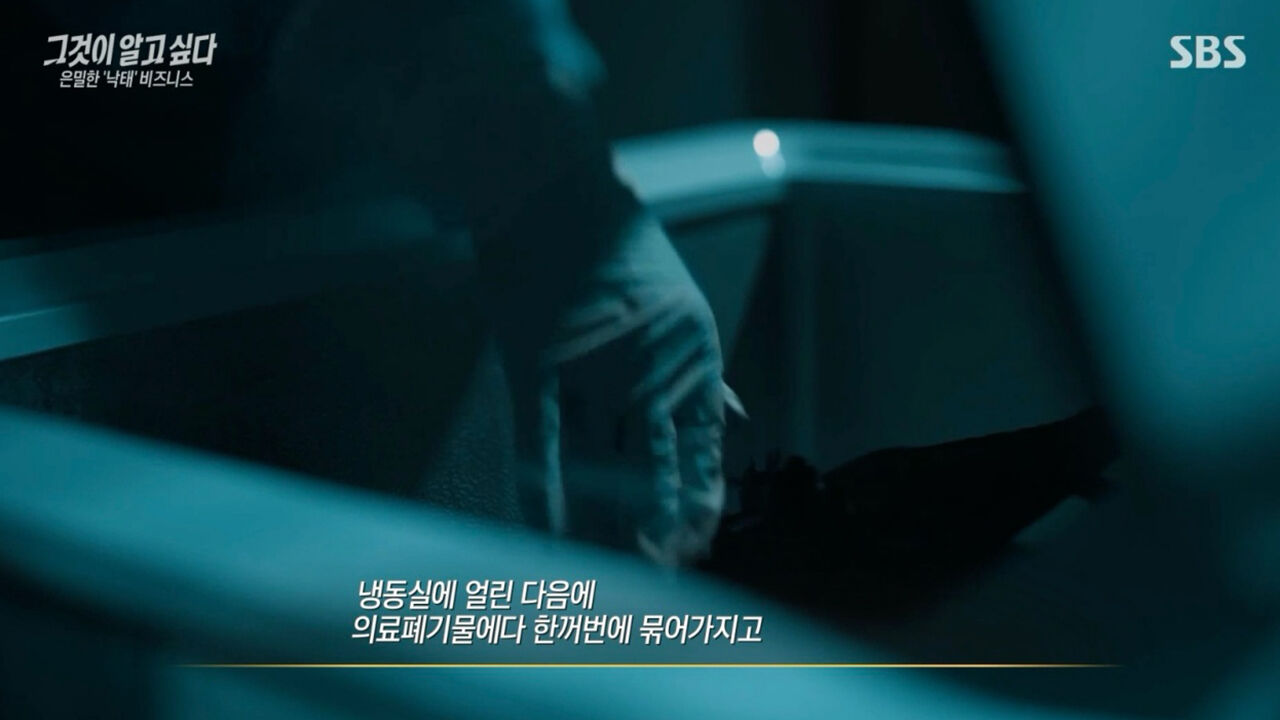
The investigation confirmed that many other hospitals beyond Director Yoon's clinic engage in similar practices. A nurse who previously worked part-time at a clinic specializing in abortions said, "Because the baby was too big, they wrapped it in a black plastic bag, froze it in the freezer, and disposed of it along with medical waste. There were even people whose specialized job was to collect them."
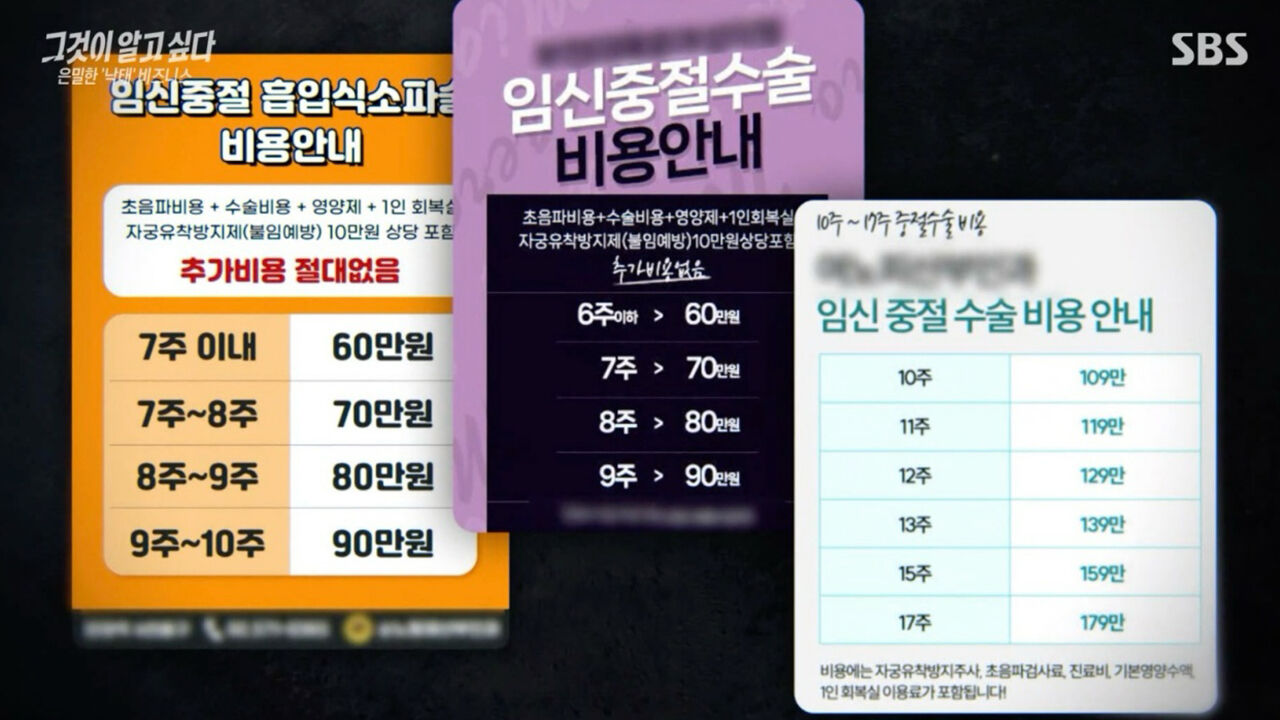
The nurse added that there were multiple coordinators in charge of abortion procedures who received high incentives. Dedicated websites advertising abortion clinics also exist, where many clinics pay to place advertisements. The production team easily found clinic-made price lists on such websites.
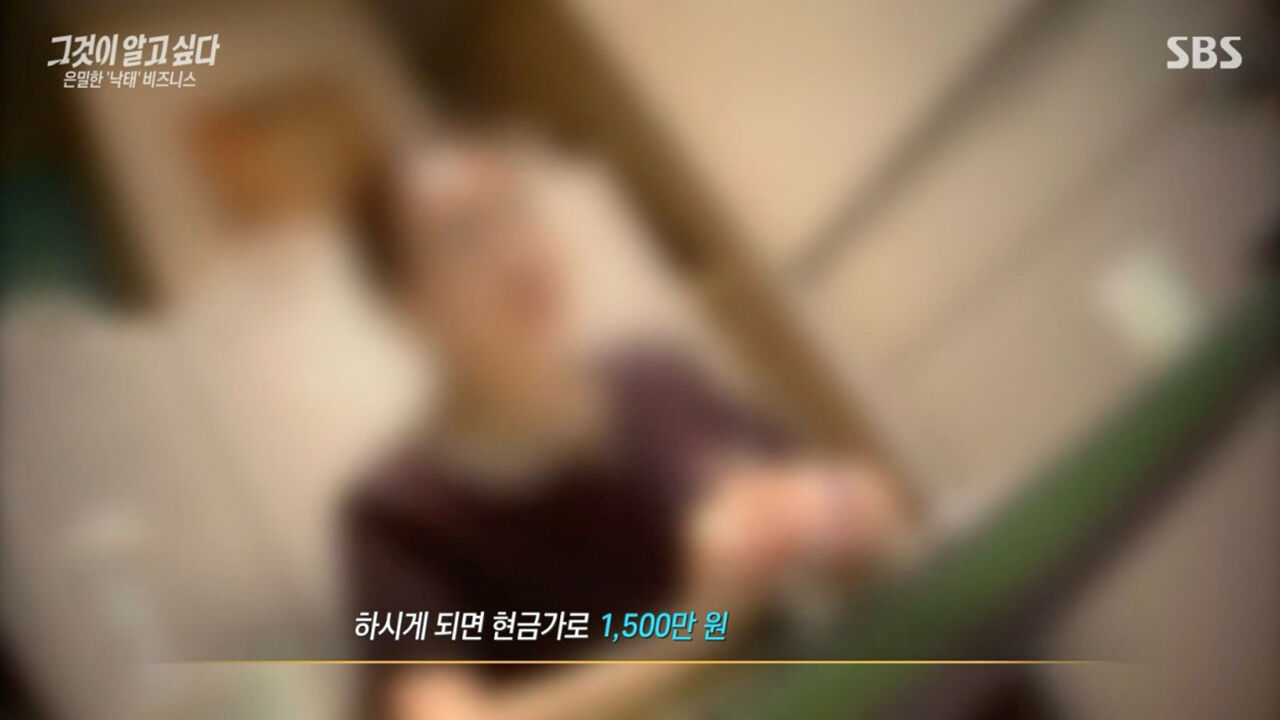
Through an undercover investigation, the team confirmed that a clinic demanded 15 million won for an abortion on a woman at 31 weeks of pregnancy, citing ethical concerns for the steep price. The clinic's counseling manager stated that same-day surgery was their strict policy and drew attention by remarking, "You can just consider that the moment the baby comes out, it won't be breathing."
The program noted that it decided on the undercover investigation to expose the reality that abortions are performed relying solely on a specialist's personal conscience and ethics, rather than medical judgment or the viability of the fetus.
While some argue that women desperately seeking abortions are the root of the problem, the investigation confirmed that many of those seeking late-term abortions are underage pregnant girls who discovered their pregnancies late and have nowhere to turn for help. They often obtain funds through illegal private loans or part-time jobs.
An underage informant expressed deep sorrow, saying that while she looked for various ways to give birth, she determined it was impossible to raise a child alone and chose to have an abortion.
Ms. Kwon stated that she initially thought people watching her video would offer comfort, but after the controversy erupted, she realized her actions were wrong and felt deep remorse. She said, "If I could go back two years, I wouldn't have had the surgery," adding that the outcome might have been different if even a single person had tried to persuade and help her at the time.
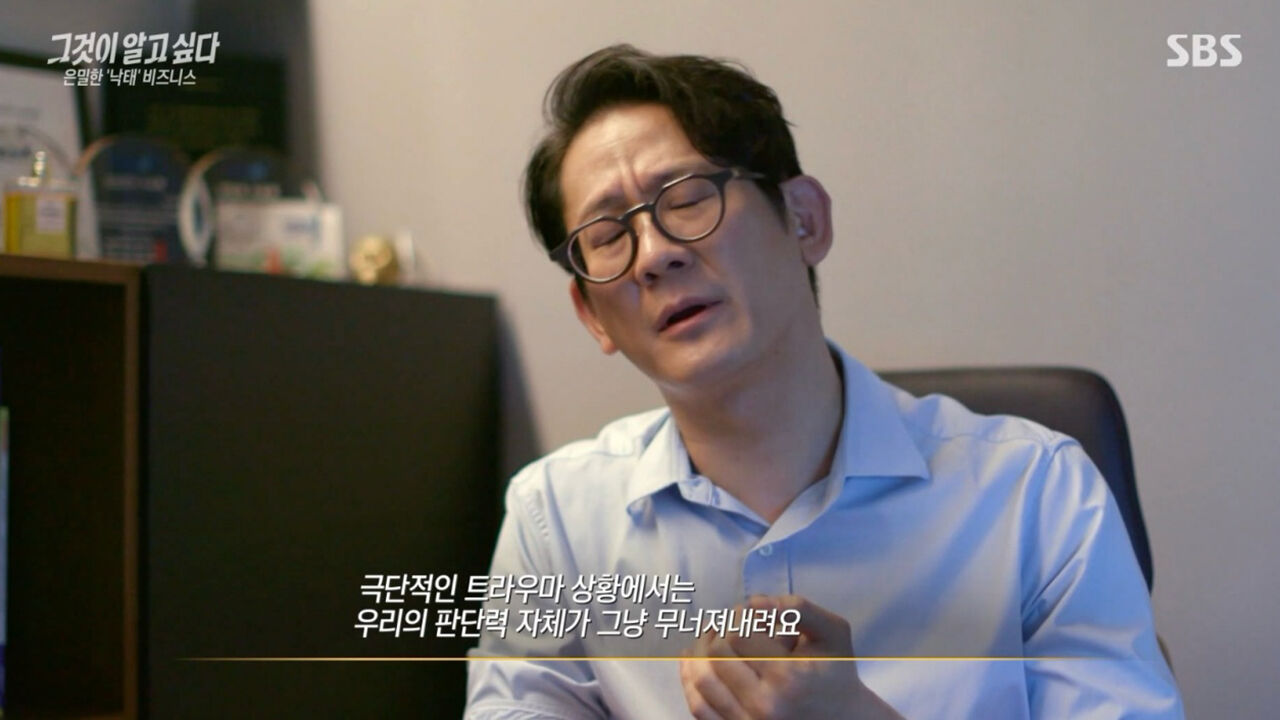
An expert commented on Ms. Kwon: "She appears to have been emotionally unable to handle the realities surrounding childbirth. Many women carry pregnancies to full term due to denial or concealment of pregnancy, and under extreme trauma, their judgment collapses entirely. In psychiatric terms, it is an emergency situation."
Prosecutors indicted Ms. Kwon on homicide charges. However, the appellate court acquitted her of homicide, ruling that there was no intent to kill, prompting prosecutors to appeal the decision.
An expert characterized the 36-week abortion vlog in one phrase: "the most catastrophic harm caused by a legislative vacuum." The expert pointed out, "Because the state has not established clear standards, neither the fetus nor the woman was protected. Had a law been enacted, an abortion on a 36-week-old fetus could not have taken place."
Following the decriminalization of abortion in South Korea, no alternative legislation has been established, leaving a seven-year legislative void. Regarding this, the political sphere stated, "It is an issue that sparks contentious debate where social consensus is difficult to reach, and diverse interests make compromise challenging."
A legal expert countered, saying, "Claiming that social consensus is difficult is merely an abstract excuse. There is no process of deliberation at all. Failing to advance deeper discussions is a failure of state responsibility."
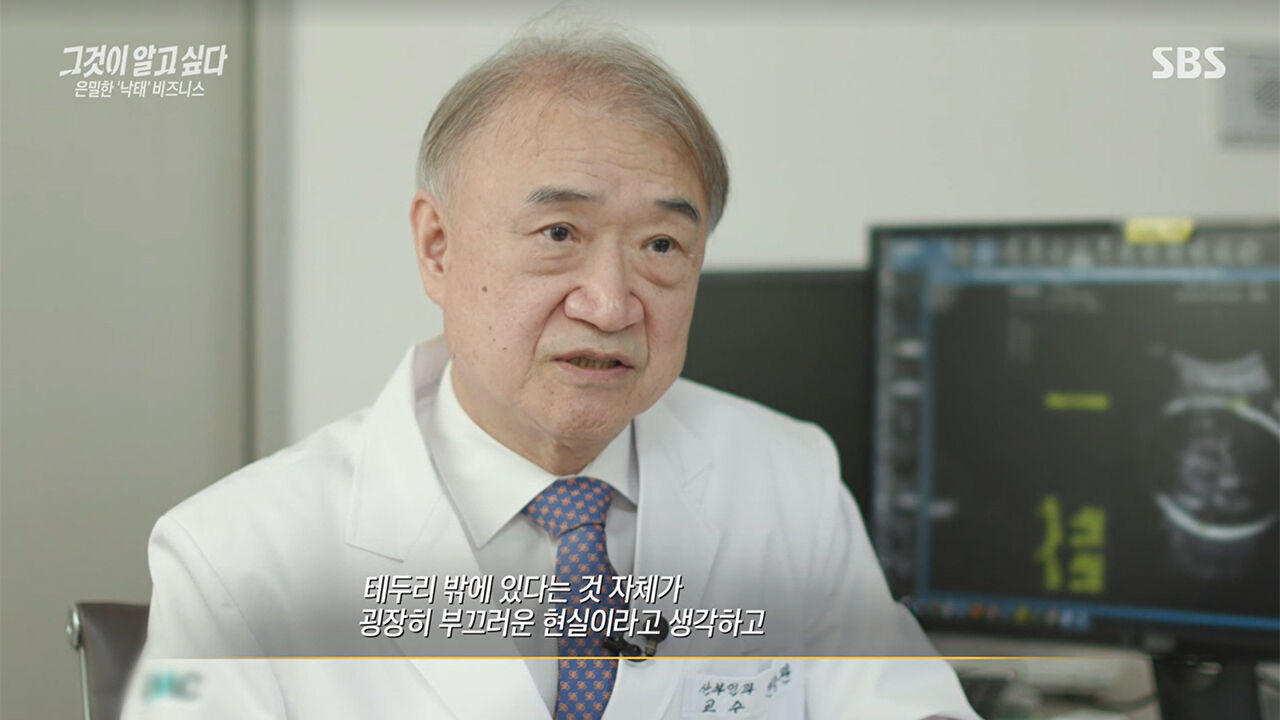
An obstetrician-gynecologist also emphasized, "The fact that women's health and fetal safety remain unprotected by law and outside institutional boundaries in our country is a deeply shameful reality. It must be reformed by any means necessary."
Lastly, the broadcast concluded by stating that the program was produced in the hope that "the lives of babies delivered alive will never again be cruelly extinguished, women contemplating abortion will not be unilaterally condemned as irresponsible, and the lives and safety of mothers and unborn children will not be traded for profit in a lawless zone."
The episode drew significant attention by emphasizing that social consensus on medical, ethical, and legal standards must no longer be delayed.
(Reported by Kim Hyo-jeong)
※ Please note: This article was translated by AI and may contain errors.





 Video News
 Video News
 Video News