
 KOR
KOR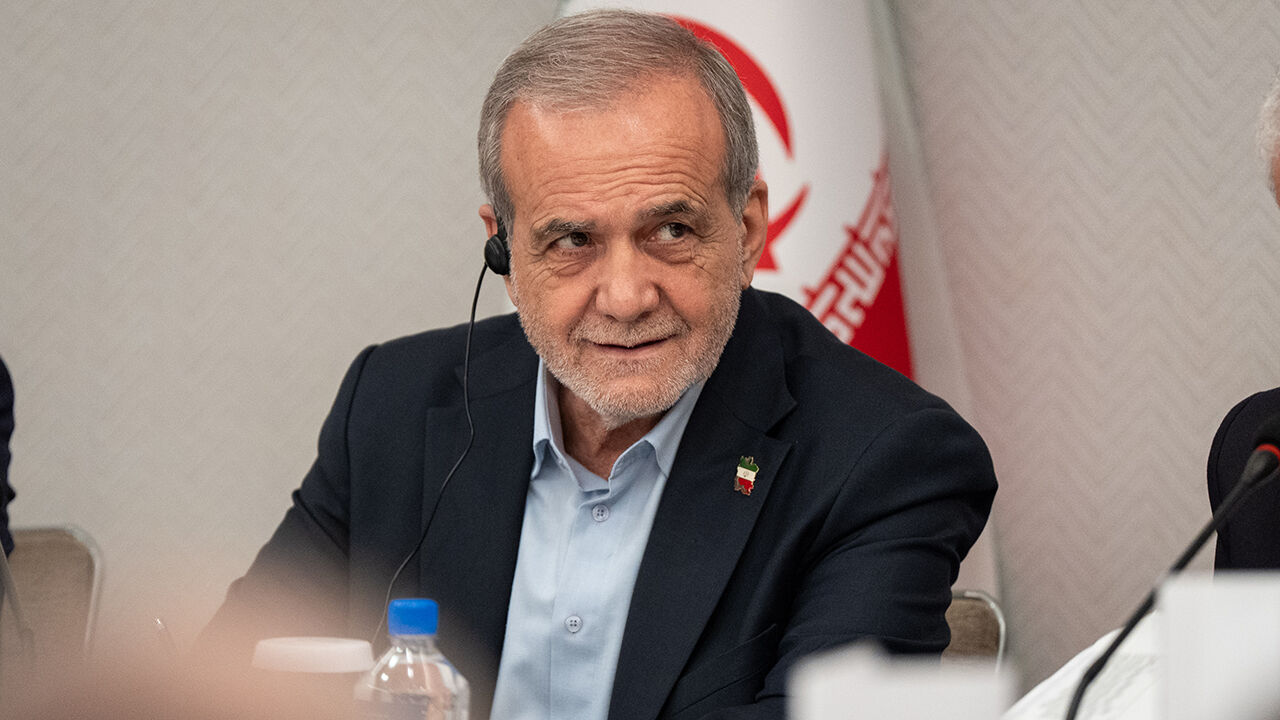
▲ Iranian President Masoud Pezeshkian
Iran has established a secret "barter" trade network with China to bypass heavy U.S. economic sanctions, purchasing billions of dollars worth of Chinese goods, Reuters reported on the 10th (local time).
According to the report, Iran has operated a clandestine mechanism where it supplies crude oil to China and receives "credits" for purchasing Chinese imports instead of cash.
Over the past year, the volume of transactions processed through special purpose vehicles (SPVs) has reached between $2 billion and $2.5 billion (approx. 2.7 trillion to 3.4 trillion won).
The transactions were carried out entirely outside the international financial network monitored by the United States, Reuters reported.
The report found that when an agent for a Chinese state-run oil company deposits crude oil payments into an unidentified financial institution in China known as "Chuxin," about 70 percent of the funds are used for infrastructure construction within Iran, while the remaining 30 percent goes to SPVs managed by agencies under both governments.
Iran reportedly used these funds to bring in civilian goods such as medicine, vehicles, and telecommunications equipment, as well as military supplies including millions of dollars worth of air defense equipment.
This report comes to attention as it coincides with the U.S. declaring a comprehensive "economic ostracization campaign" against Iran and enforcing secondary boycotts that penalize third-country companies trading with Iran.
Previously, the U.S. Treasury Department escalated pressure to its peak, issuing a strong warning to various countries that they would be permanently expelled from the U.S.-led dollar-based payment network if they do not cut off transactions with Iran.
Analysts suggest that this workaround trade between China and Iran was designed to neutralize such U.S. sanction networks.
By creating a structure where payments are disbursed to Chinese exporters under the control of China's Ministry of Commerce and the Central Bank of Iran, Chinese companies avoided leaving any traces of direct trade with Iran.
Andrea Ghiselli, a lecturer at the University of Exeter in the U.K., pointed out, "This is a classic evasion strategy aimed at demonstrating that China does not bow to U.S. sanction threats while securing 'plausible deniability' to step back if problems arise."
China's Foreign Ministry told Reuters that it was "unaware of such a situation," while drawing a line by stating that it consistently opposes unilateral sanctions lacking UN Security Council approval.
(Photo: AP, Yonhap News)
※ Please note: This article was translated by AI and may contain errors.




 Video News
 Video News

 Video News