"No Miracle for 'Peter Pan Dad'": Tragedy of a 29-Year-Old with Developmental Disabilities
Park Ha-jeongSeoul
Published2026.09.09 11:07ViewView Count
The "Peter Pan Dad" Passes Away... Did the Drama End There?
Over the weekend, heartbreaking news arrived. Mr. Jeon Gyeong-cheol, known as the "Peter Pan Dad," had passed away. Having raised his son alone since the boy began showing symptoms of autism around his first birthday, the father used to call him "Peter Pan" after hearing someone compare people with autism to Peter Pan, who never grows up. Then, he was diagnosed with terminal liver cancer and given six months to live. He searched for a facility that could care for his autistic son—now 26 years old—who would be left all alone in the world, but finding one was far from easy.
A program featuring his story aired last March, a moment the father described as "the start of a drama." Donations poured in, and a facility was found where his son could live. Watching this interview with the "Peter Pan Father" before his passing from a train heading to Hwasun, South Jeolla Province, for reporting, my heart grew heavy. Are other parents of Peter Pans in this world experiencing such a "start of a drama"? At least for one Peter Pan mother whom I was traveling to meet that day, that was not the case.
The Burden of Over 20 Years of Care: "Even Facilities Won't Take Him"
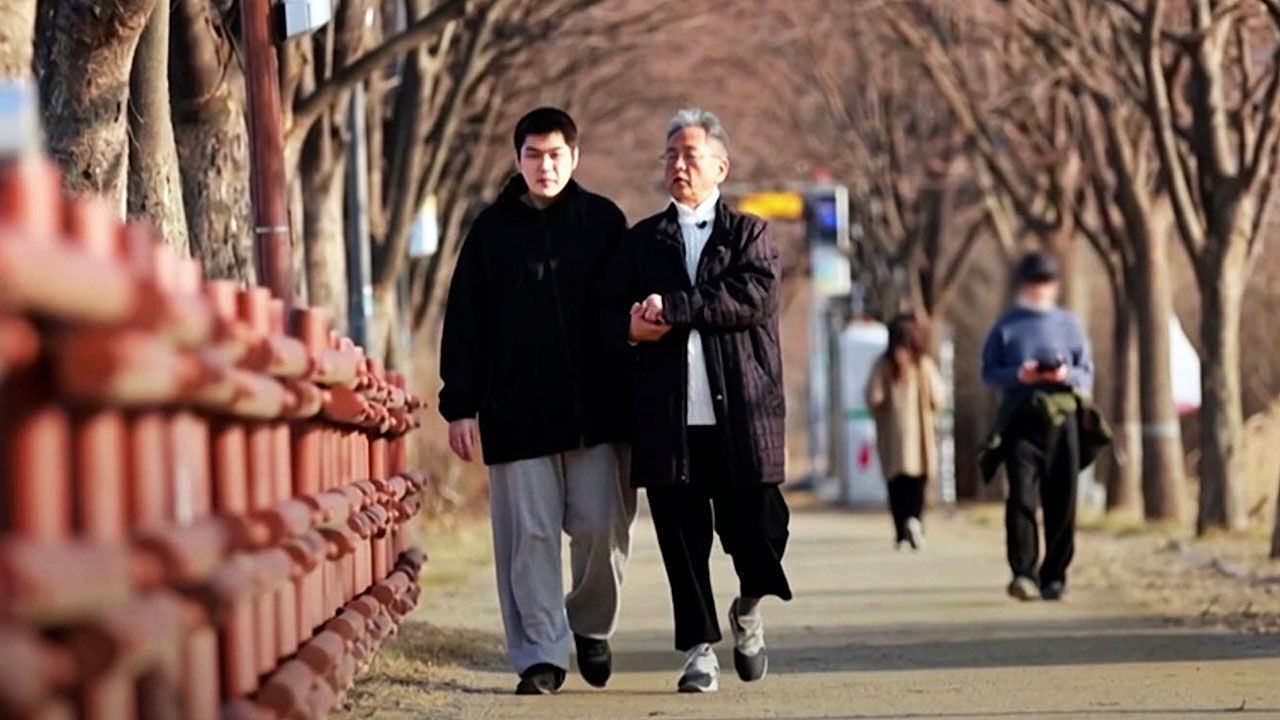
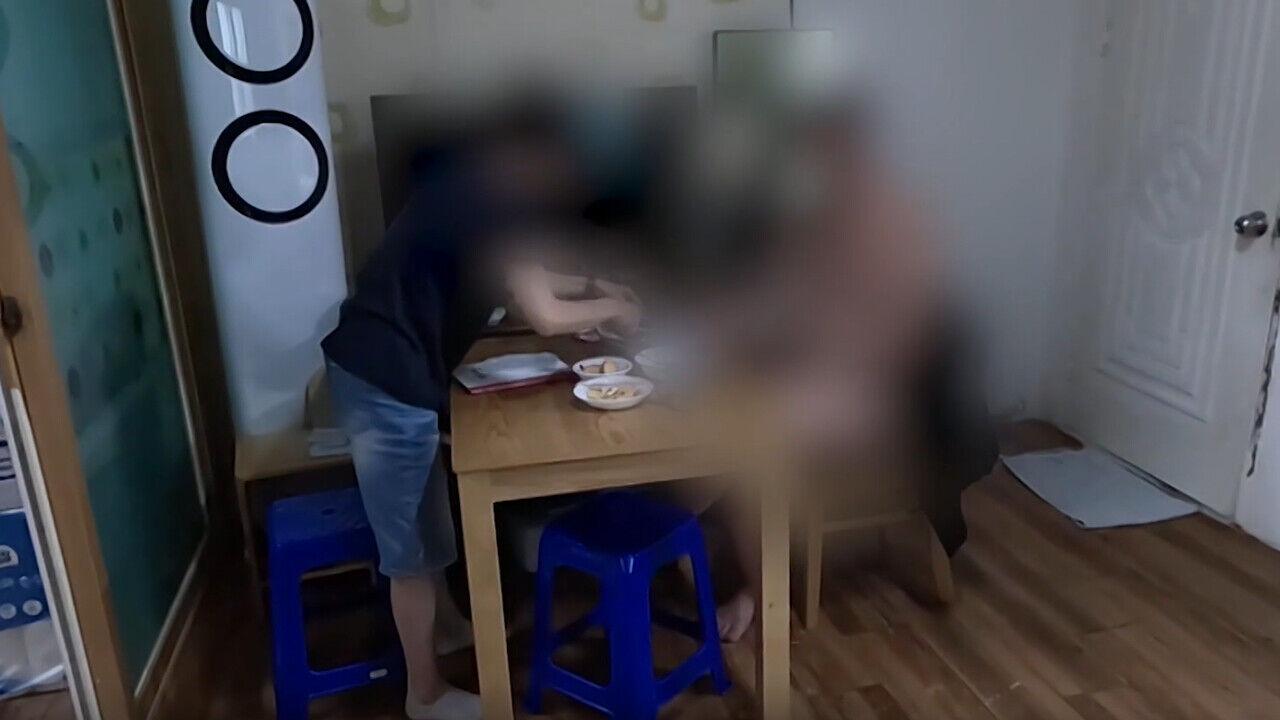
The mother of Mr. A, whom I met in Hwasun, South Jeolla Province, has lived as a Peter Pan mother until her son with developmental disabilities reached 29 years of age. Mr. A's family and a visiting support assistant take turns caring for him. Even so, Mr. A is often left at home alone. People around her suggest placing her son in a facility, but she said nowhere would take him.
[Mother of Mr. A: People around me tell me, "Why don't you place him in a facility?" But there is no facility where I can actually place him. They won't accept him. It's because he cannot manage basic toileting or personal hygiene on his own.]
This is due to her son's "challenging behaviors," such as self-harm and aggression toward others. Then she learned about "integrated care." Launched in June 2024, the "integrated care service for persons with severe developmental disabilities" was created for individuals like Mr. A. It was established under the premise that people with developmental disabilities have difficulty using existing care options and that the growing burden on families demands a dedicated service. The Ministry of Health and Welfare stated, "It signifies that the state assumes responsibility even for those who are considered the most difficult to care for."
"The State Takes Responsibility," They Promised... An Endless Wait
The mother applied for this service in February and was selected in March. She received notice that Mr. A was eligible and assigned to the daytime group-type service among the three service categories. However, even as September arrived, care for Mr. A has not begun. The primary issue was that care personnel could not be hired. Because it is regarded as having the highest difficulty level among care services, few people want to take the job. Despite repeated recruitment notices, there were no applicants, and time slipped away. It was not until late July that she finally received notice that one person had been hired. Just three days later, however, another call arrived informing her that care would be difficult because this year's budget had run out.
[Official at South Jeolla Support Center for Persons with Developmental Disabilities (phone call in July): I'm afraid I have to tell you that you will have to wait on the waiting list again.]
After waiting four months, a caregiver was finally hired, only to find there was no money when care was about to begin. In the meantime, the newly hired caregiver quit.
[Hwasun County official: (Is there any timeline on when someone might be hired?) We just have to wait for the job posting.]
Budget and Staffing Issues: How Are They Being Addressed?
Why did this year's budget run out so quickly? Hwasun County's capacity to provide this service for the entire year was limited to three individuals with developmental disabilities. Mr. A was the third applicant. However, it was explained that the budget meant for three people had already been entirely spent on the two individuals who were already receiving services. We also inquired with the Jeonnam-Gwangju Special City. They stated, "The state allocates the budget based on 'average unit costs.'" In other words, the government does not provide from the outset a budget that covers the maximum care hours a single person with developmental disabilities could use. We also asked the Ministry of Health and Welfare. They explained that for the 24-hour individualized care service, which is considered even more demanding, funds were left over because even fewer people were willing to work, whereas the daytime group-type service faced a budget shortfall as services were actively being delivered. The ministry stated that because most local governments nationwide face shortfalls in this daytime group-type budget, it plans to allow local governments to share surplus funds with each other within this month. One wonders why the budget could not simply be allocated at maximum levels from the start, regardless of service type. The response received was, "From the fiscal authorities' standpoint, they likely have no choice but to consider the overall execution rate." This was understood to mean: what happens if a large budget is allocated but cannot all be spent?
The caregiver shortage is a chronic problem. For example, in the case of the 24-hour service, the government set a target capacity of 340 people. Given that it requires 24-hour shifts, an estimated 1,200 care personnel are needed. However, the actual number of working personnel is only 541. The Ministry of Health and Welfare is seeking to improve working conditions by raising their professional allowance to 200,000 won per month. In monitoring conducted one year after the program's launch, 45.7% of care workers reported having sustained injuries. Considering the difficulty of such care, it remains questionable whether such compensation can be deemed sufficient.
A Highly Rated Service... System Must Be Refined
Assessments of this integrated care service itself are positive. In a government survey of individuals with developmental disabilities and their guardians, many responded that it gave them time to recover from caregiving burnout. Users with developmental disabilities also showed positive changes, such as emotional stability and a reduction in challenging behaviors. We asked Kim Mi-ok, a professor of social welfare at Jeonbuk National University who participated in designing the system and has researched this field, how it could be improved. First, she pointed to "improving working conditions for care personnel." She emphasized that it must be established as a genuinely decent job, accompanied by a culture of gratitude and respect. For the budget, she suggested that, as an urgent measure, barriers between service types should be removed to allow flexible spending.
[Kim Mi-ok, Professor of Social Welfare at Jeonbuk National University: What if we lower barriers to allow flexible use of the budget (between service types)... I believe we must refine the system into one that is user-centered and genuinely eases the caregiving burden on families.]
Sharing this report is not intended to suggest that the integrated care service for persons with severe developmental disabilities is unnecessary or meaningless, nor is it a call to cut its budget. After the initial broadcast aired, a comment appeared on YouTube, seemingly directed at the mother: "If they do it for you, be grateful; if not, do it yourself." Seeing that comment, a passage from a book I recently read came to mind: the moment family caregiving is viewed as a social welfare asset, the state gains an excuse to neglect social welfare. When the state takes responsibility, it means we share the burden together. We have an obligation not to let today's story of the "Peter Pan Father" struggling all alone fade away as merely "once upon a time, there was such a heartwarming story." Why must we do so? The reason is simple: the story of Mr. A's family could just as easily become the story of our own family.
※ Please note: This article was translated by AI and may contain errors.

 KOR
KOR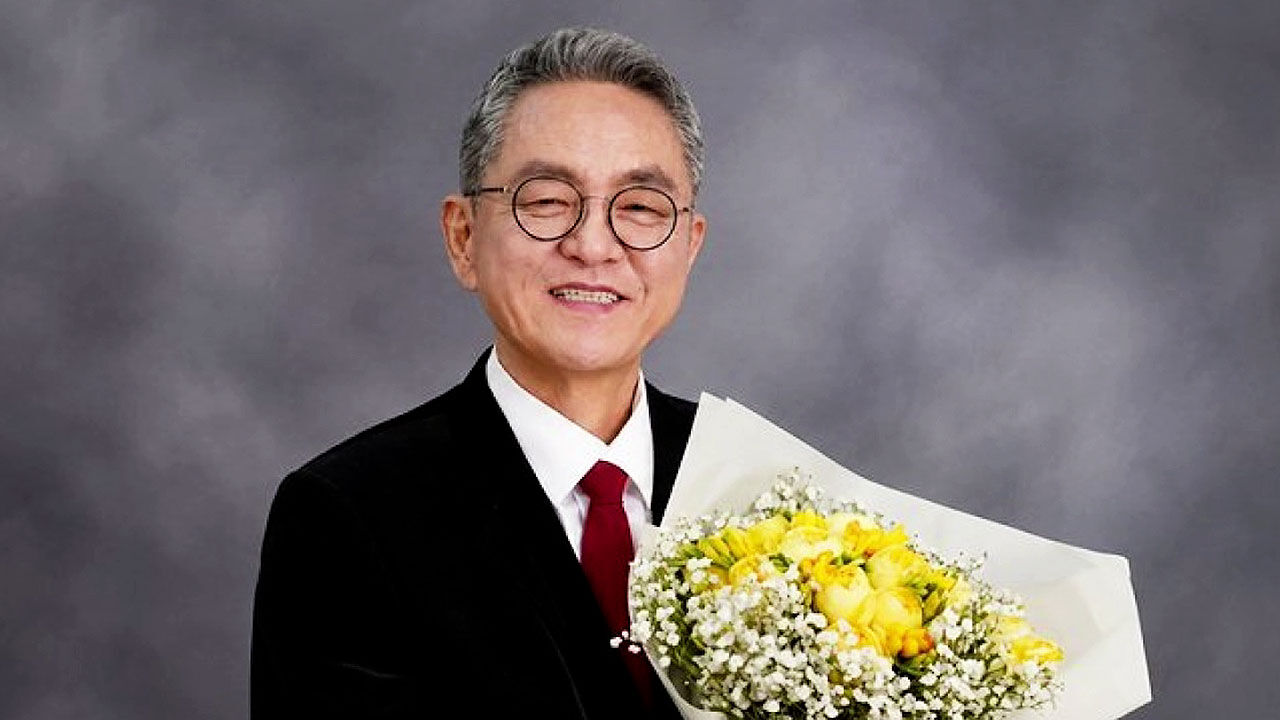






 Video News
 Video News
 Video News
 Video News