
 KOR
KOR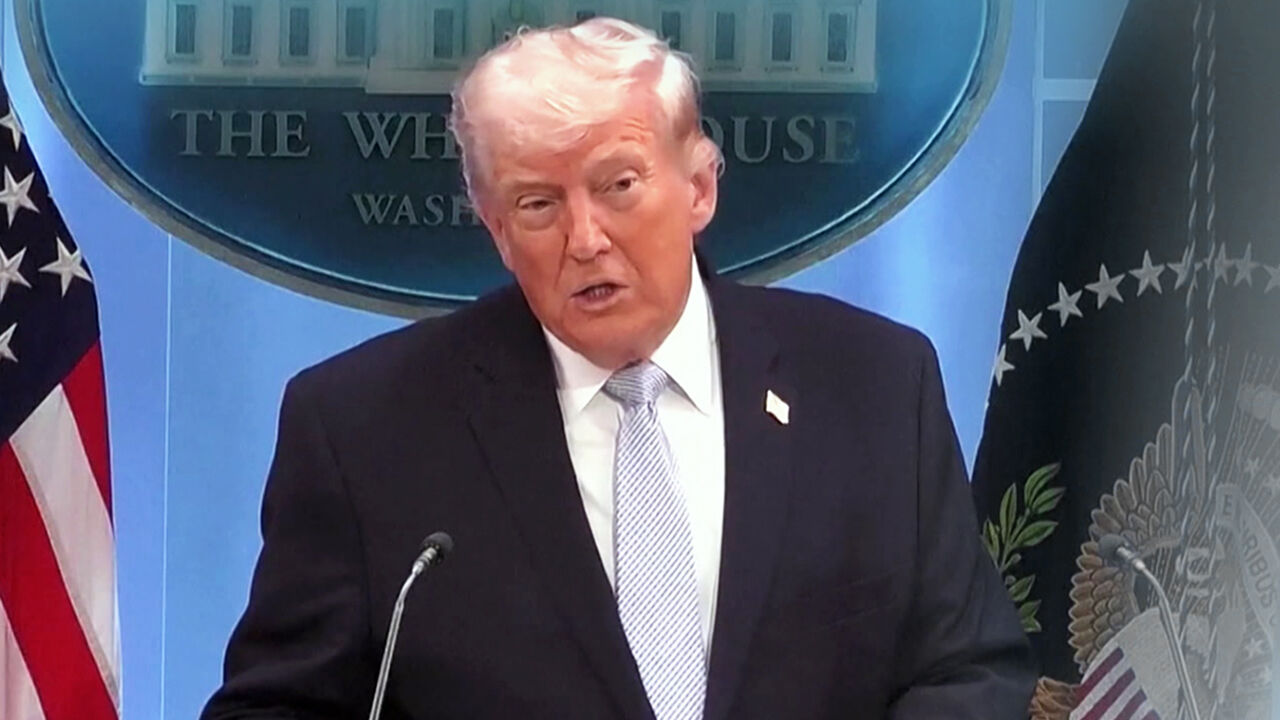
▲ U.S. President Donald Trump
The Donald Trump administration is quietly considering plans to reduce the scale of U.S. forces stationed in the Middle East after the war with Iran concludes, CNN reported on the 7th (local time).
CNN diagnosed that this move aims to adjust the deployment of personnel and equipment in the region as U.S. bases across the Middle East have been exposed to Iranian attacks, which could serve as a turning point in the U.S. military's interventionist footprint in the Middle East since the September 11 attacks.
According to the report, U.S. officials said that President Trump has recently been holding covert discussions on scaling down the number of U.S. troops and equipment stationed in the Middle East once the Iran war is brought to an end.
CNN projected that if such a plan is actually implemented, it would bring about significant changes to U.S. policy in the Middle East in the post-9/11 era.
These discussions stem from vulnerabilities exposed as various U.S. military bases, centered around Gulf nations, came under attack during the conflict with Iran.
In fact, since the war with Iran began on February 28, 18 U.S. service members have been killed in action, and U.S. military facilities have sustained substantial damage across Bahrain, Qatar, and Kuwait, including the CIA station in Riyadh, Saudi Arabia, which was virtually destroyed by an Iranian strike.
However, sources added that these discussions remain at an informal stage for now.
CNN reported that officials participating in these military and intelligence discussions have embarked on this effort partly to anticipate what President Trump would be willing to accept.
President Trump has frequently boasted about reducing the number of U.S. troops stationed overseas, while yet to present a clear blueprint for the post-war phase in the Middle East.
A large force and plenty of equipment remain stationed in the Middle East, including 50,000 U.S. troops, two aircraft carriers, and around 10 missile destroyers.
Among the ideas currently on the table for the U.S. military is a plan to bolster defenses for U.S. forces expected to remain in the Middle East even after the Iran war ends.
In particular, relocating some facilities underground is being reviewed to enhance defense capabilities against Iranian missiles and drones.
Also placed on the list of options is deploying the U.S. Special Operations Command and the CIA to the Middle East on a rotational basis rather than keeping them stationed there permanently.
For example, this approach would involve keeping the personnel and equipment of these agencies in the United States, dispatching them to the Middle East for individual missions, and returning them to the U.S. once completed.
According to some sources, the U.S. government may decide not to rebuild assets severely damaged or destroyed by Iranian attacks, citing cost issues.
While no specific timetable has been discussed for these plans, sources added that the military has drawn up several potential implementation plans to alter the force structure in the Middle East as early as next year.
If implemented, this move could mark a turning point in America's 25 years of military involvement in the Middle East following the September 11 terrorist attacks.
In 2003, when the U.S. invaded Iraq under the George W. Bush administration after pointing to the Saddam Hussein regime as backing al-Qaeda, 250,000 troops were stationed in the Middle East. Afterward, the U.S. began withdrawing forces starting in 2008, maintaining around 30,000 to 60,000 personnel after 2011.
Regarding this move, a U.S. official conveyed the atmosphere by stating, "These vulnerabilities have always been known," but adding, "However, the United States has never treated them with urgency."
※ Please note: This article was translated by AI and may contain errors.



 Video News
 Video News
 Video News

 Video News