
 KOR
KOR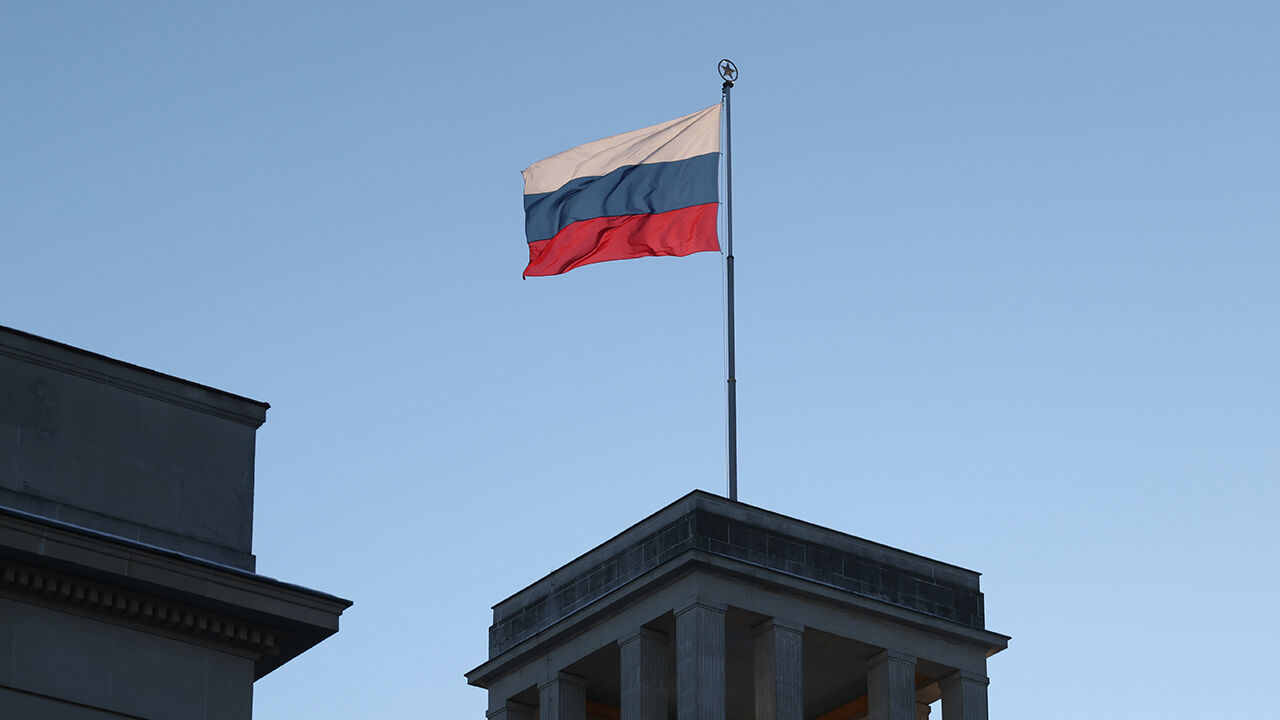
▲ File Photo
Amid rising demand for uranium fuel driven by an increase in the construction of new nuclear power plants worldwide, concerns have emerged that Russia could take control of one-third of global uranium production by 2040, posing a significant threat to Western energy security.
Citing a report published by the non-profit Center for Strategic Advantage (CSA), the British daily Financial Times projected this outlook, noting that while global investments in uranium mines remain low and the approval process for new mines is delayed, Russia has been steadily expanding its production capacity at uranium mines both at home and abroad.
Uranium is mined not only in Russia but also in countries such as Kazakhstan, Australia, Namibia, and Canada.
As of 2024, Russia's share of global uranium production stood at just 5%.
However, the CSA's analysis indicates that Russia's true influence cannot be gauged by domestic production alone.
In fact, Uranium One, a subsidiary of Russia's state-owned nuclear corporation Rosatom, mines approximately 10,000 tons of uranium annually outside of Russia, including in Kazakhstan.
When combining both internal and external production, Russia's share of uranium production rises to 24%.
In addition, Russia is currently developing uranium mines in Tanzania and Namibia, and last year signed an agreement with Niger to strengthen cooperation in the uranium sector.
The CSA forecasted that if Russia fulfills all of its currently confirmed production targets and further expands overseas production, its market share could climb to 40% by 2040.
Unlike Russia, Western nations have seen some mines closed due to falling uranium prices, and the pace of uranium exploration has also slowed.
Alex Bedwani, an analyst at investment bank Stifel, described the current situation by stating, "There is no doubt that new supply is needed in this sector," while adding, "However, developing uranium mines entails significant development risks."
The CSA advised that the international community should take measures to curb Russia's share of uranium production, such as preventing Russia from exploiting assets in Africa.
This approach involves individual countries banning the import of uranium mined by Russia in Niger, Namibia, and Tanzania.
Furthermore, the CSA recommended that governments encourage investment in new uranium mines by supporting long-term contracts between uranium producers and energy companies to guarantee prices for producers.
(Photo: Getty Images)
※ Please note: This article was translated by AI and may contain errors.



 Video News

 Video News
 Video News
