
 KOR
KOR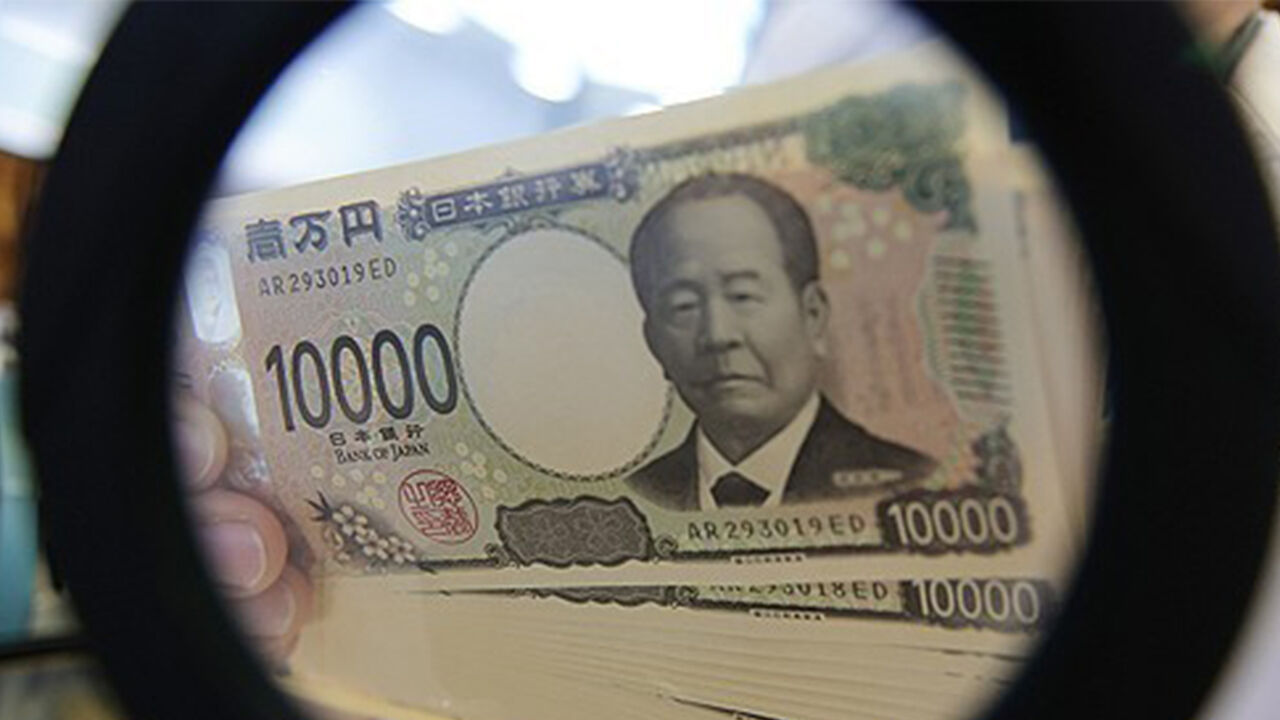
▲ Japanese Yen
As the yen-to-dollar exchange rate, which had soared to the mid-164 yen range, regains stability, projections are also emerging that it could drop to the early 150 yen range.
In the foreign exchange market on the 7th, the yen-to-dollar exchange rate briefly hit the mid-154 yen range during the day, marking the highest level for the yen's value in half a year since late February.
At 5:32 p.m. today, the yen-to-dollar exchange rate stood at 154.08 yen per dollar.
Speculation is sweeping the market that both the U.S. and Japanese governments will actively move to correct the weak yen, following remarks by U.S. Treasury Secretary Scott Bessent earlier this month at the G20 finance ministers' meeting that the yen is undervalued and seemingly pressuring Japan to raise its benchmark interest rate.
Consequently, the yen exchange rate, which was in the early 160 yen range per dollar on the 2nd, has fallen by more than 6 yen.
This comes even as the recently released U.S. nonfarm payrolls growth for August exceeded market expectations, which could have re-ignited pressures for a strong dollar and a weak yen, yet the yen continues to maintain its strength.
Some analyze that the preference for the dollar, which had persisted due to tensions in the Middle East, has stalled, causing dollar-buying sentiment to retreat.
The Nihon Keizai Shimbun (Nikkei) pointed out that the financial market has begun to be conscious of the possibility of a change in the prolonged phase of the weak yen.
Japanese financial authorities bought 11.7 trillion yen (approx. 100.87 trillion won) worth of yen in April and May, followed by yen-buying and dollar-selling operations reaching 15.3993 trillion yen (approx. 132.7677 trillion won) across late July and early August, executing joint currency interventions with the United States.
As the Japanese government undertook astronomical currency interventions, Japan's foreign exchange reserves as of the end of last month stood at approximately 1.2075 trillion dollars (approx. 1,625.4036 trillion won), recording a record-largest monthly decline of 6.18% from the previous month.
An official at Mitsubishi UFJ Trust and Banking noted that as they confirmed the resolve of both the U.S. and Japan to correct the weak yen, "market sentiment is shifting toward a mindset that it is better to reduce yen-selling positions."
As expectations rise that the Bank of Japan will implement consecutive benchmark interest rate hikes at its Monetary Policy Meeting scheduled for September 17–18 and subsequent meetings within the year, the market appears to recognize that the advantages of the yen carry trade will diminish due to the narrowing interest rate gap between the U.S. and Japan.
The yen carry trade refers to a strategy of borrowing funds in low-interest Japanese yen and investing that money in higher-interest overseas bonds, currencies, or stocks.
According to the U.S. Commodity Futures Trading Commission (CFTC), as of early this month before the yen's value surged, global hedge funds' net yen-selling positions against the dollar reached approximately 1.2 trillion yen (approx. 10.35 trillion won), soaring 33% from the previous week.
With a large scale of yen-selling positions piled up, if additional yen-buying and dollar-selling occur due to future position liquidation, the yen-to-dollar exchange rate could fall even further.
A Japanese banking sector official projected that if U.S. inflation indicators show weakness and the U.S. Federal Reserve (FRB) freezes benchmark interest rates at the Federal Open Market Committee (FOMC), the yen's value could rise to the 152 yen level.
Japanese market observers view the upcoming U.S. Consumer Price Index (CPI) for August, to be released on the 11th, as the gauge for whether the prolonged weak yen will face a turning point.
(Photo: Yonhap News)
※ Please note: This article was translated by AI and may contain errors.



 Video News
 Video News
 Video News
 Video News
 Video News