
 KOR
KOR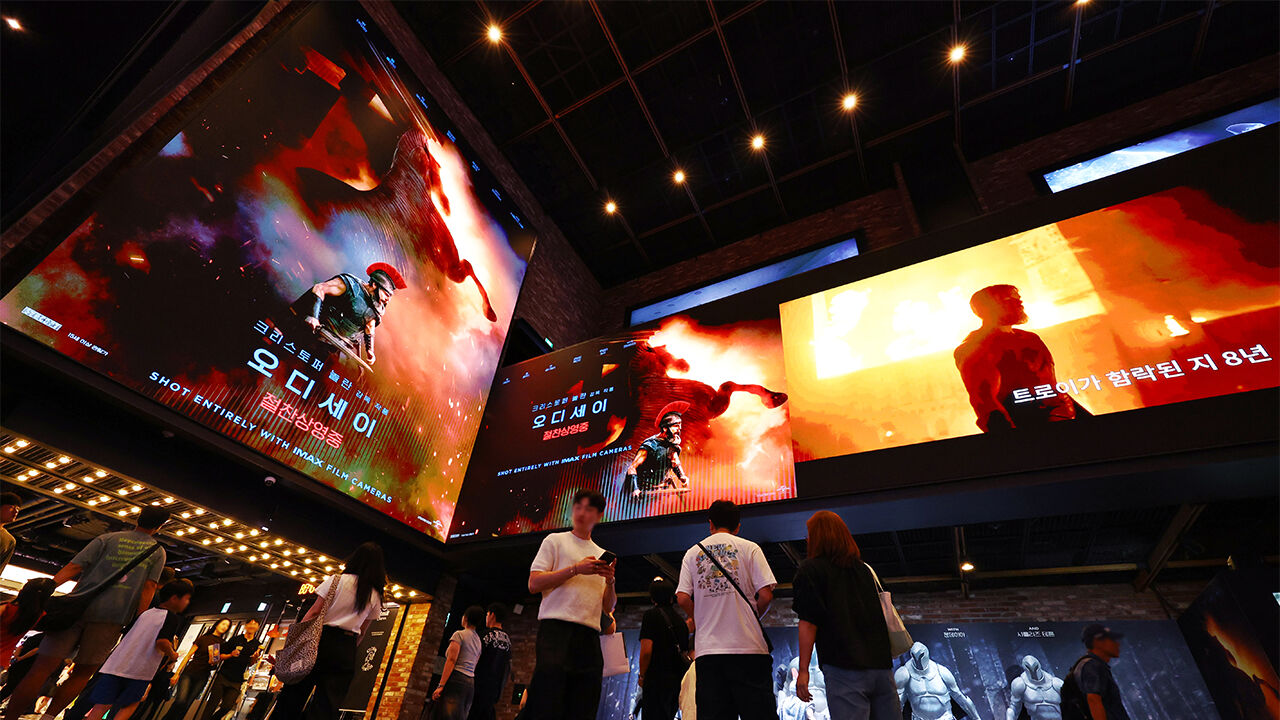
▲ A movie theater in Seoul
Regarding the Supreme Court's ruling that movie theater operators' failure to provide screen descriptions and subtitles for the visually and hearing-impaired constitutes discrimination against disabled individuals, the film industry has expressed agreement on expanding accessibility while voicing concerns over potential burdens across the sector.
The industry argued that government policies are needed to reduce the burden on the private sector at a time when the film industry is facing difficulties.
In the final appeal of a discrimination relief suit filed by two visually impaired individuals including Kim and two hearing-impaired individuals against CJ CGV, Lotte Cultureworks, and Megabox JoongAng, the Supreme Court ruled today (3rd) that the lower court "excessively considered only the financial burden of the operators" and sent the case back to the Seoul High Court.
Acknowledging that theater operators have an obligation to eliminate discrimination by providing visually and hearing-impaired individuals with screen descriptions, subtitles, and receiving devices, the Supreme Court deemed the lower court ruling flawed for limiting the scope of provision to "3 percent of total screenings in theaters with 300 or more seats."
The stance is that the lower court examined only the financial burden on movie theaters due to providing conveniences, and that the movie-viewing opportunities of disabled individuals should also be considered.
Consequently, the scope of conveniences provided by movie theaters for disabled individuals is expected to expand in the remand trial.
Movie theaters have initially taken a conventional stance of waiting to see how the remand trial unfolds.
CGV stated, "As the related lawsuit is currently underway, we are awaiting the final judgment of the court," adding, "Once the final ruling and the scope of legal obligations are finalized, we will respond in a feasible manner."
Lotte Cinema also stated, "We are currently reviewing the specific details and impact of the Supreme Court ruling," and added, "As a remand trial is scheduled, we will faithfully participate in future legal procedures and continue efforts to improve viewing convenience for customers with disabilities."
However, concerns were raised in some corners that the economic burden on the industry as a whole could grow.
If the scope of convenience provided by theaters expands in the remand trial as expected, costs will increase for theaters that must supply facilities and equipment, and for production companies that must create customized content with screen descriptions and subtitles.
The lower court calculated the standards for providing convenience by dividing them into an open screening method that both disabled and non-disabled audiences can enjoy together, and a closed screening method where receiving devices are provided only to those who need screen descriptions and subtitles.
In the open method, a barrier-free version with subtitles and screen descriptions included in the original source is screened to lower barriers and enhance convenience.
A film industry insider said, "Operating theaters with the open method would require creating separate barrier-free versions, which would increase the burden on production companies and theaters."
Given that the theater industry continues to struggle following the spread of COVID-19, voices emerged that the issue should be resolved through government policies rather than placing the burden solely on the private sector.
Currently, Lotte Cultureworks and Megabox JoongAng are experiencing continuous operating losses.
Megabox JoongAng, an affiliate of JoongAng Group, has recently entered rehabilitation procedures as the group faces a liquidity crisis.
A film industry insider claimed, "While we agree that disabled audiences must be considered, it is questionable whether private operators should shoulder all of this burden," adding, "Given that it is consideration for socially vulnerable groups, it should be resolved through government policy."
CGV pointed out, "Providing screen descriptions and subtitle services is not a matter that can be decided solely by our company," and noted, "It is a structural task that requires prior cooperation from content producers and distributors, establishment of technological standards, and preparation of related institutional foundations."
(Photo: Yonhap News)
※ Please note: This article was translated by AI and may contain errors.



 Video News


