
 KOR
KOR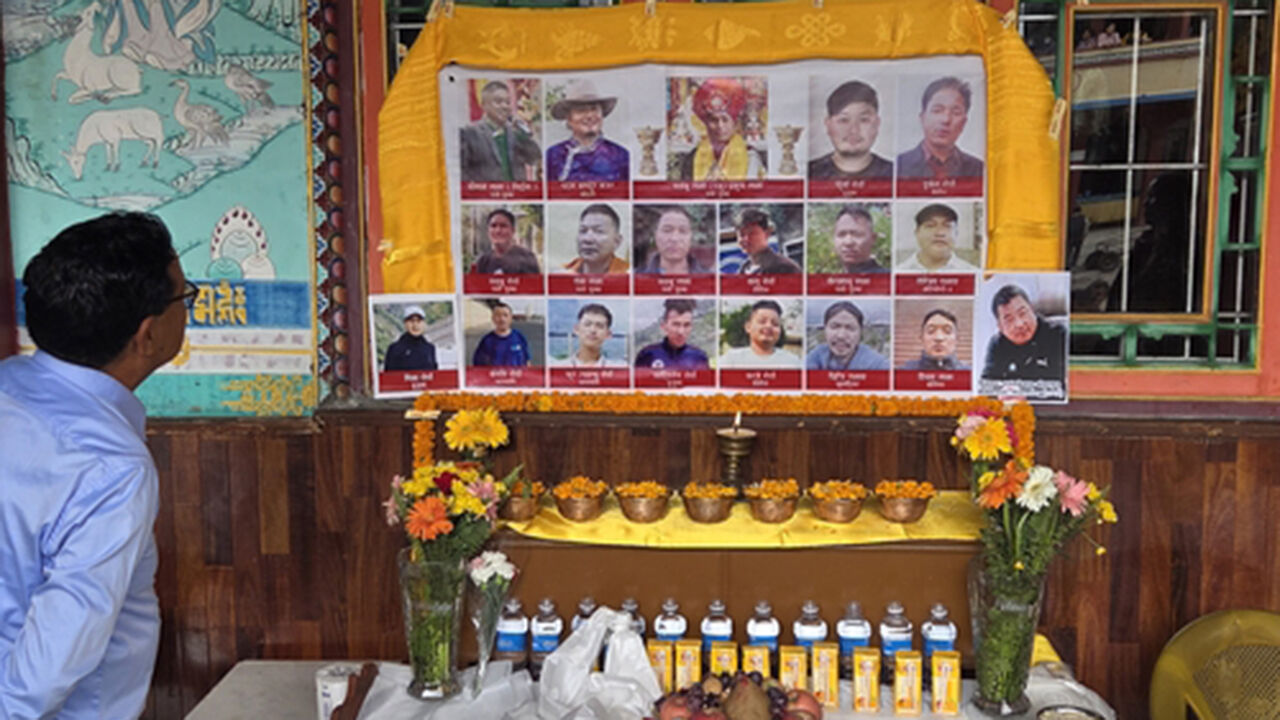
▲ A joint funeral is held for 19 Sherpas missing in recent heavy floods at a Buddhist temple in Kathmandu, Nepal, on the 2nd, local time.
Photographs of 19 men were posted together at the entrance of the main dharma hall of a Buddhist temple in Kathmandu, the capital of Nepal.
A small candle was burning on the altar placed beneath the photographs.
Bottled water and orange juice were also neatly arranged with fruits underneath it.
Mourners placed a Khada, a long white ceremonial scarf used in Buddhist rituals, on the altar and then sequentially put envelopes containing money into the condolence box.
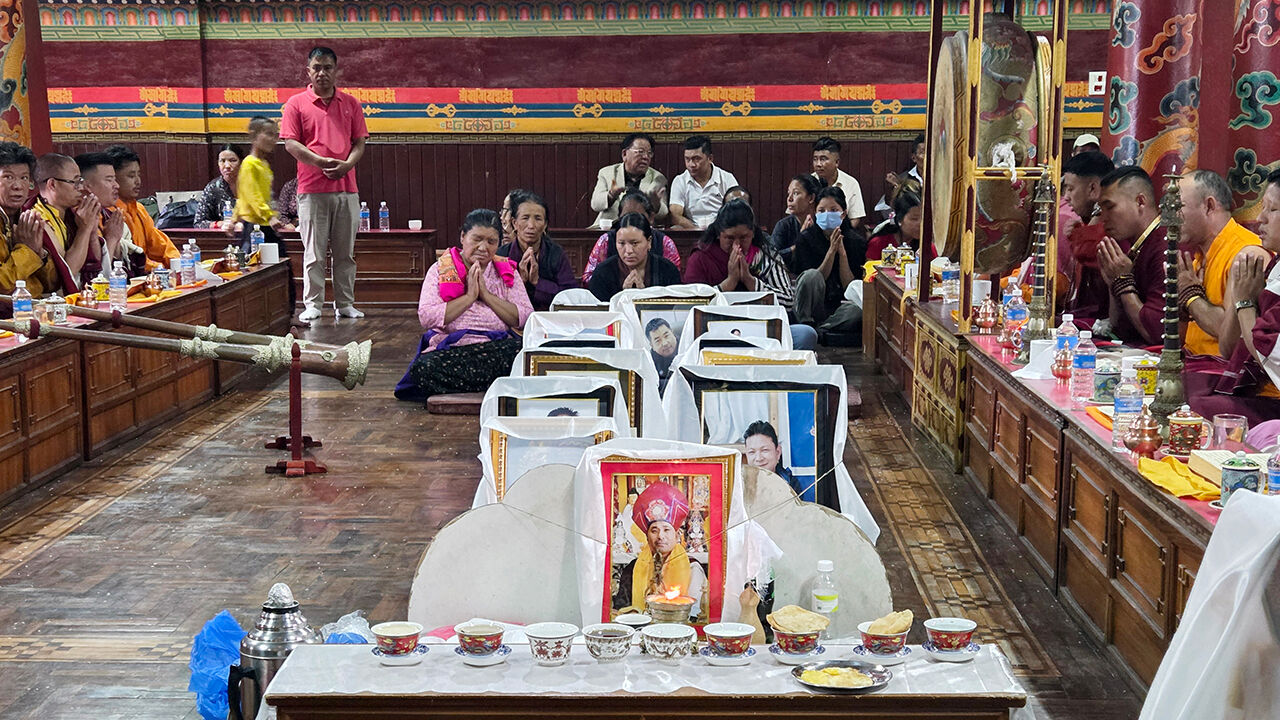
Inside the main dharma hall, where the 19 portraits were placed in the center, the sound of monks chanting Buddhist scriptures filled the air.
Bereaved family members stood side by side, clasping their hands together in prayer.
The men with peaceful faces in the portraits were Sherpas who went missing during the massive floods that struck areas of Bagmati Province in the north-central region on August 26.
Sherpas are commonly known as climbing guides who act as pathfinders for professional mountaineers attempting to scale high peaks in the Himalayas.
Originally, the term refers to an ethnic minority that has lived in the high-altitude regions of the Himalayas for ages.
These Sherpas often use their ethnic name "Sherpa" as a surname at the end of their names.
"Sherpas stand by each other during joyful or difficult times," said Pema Nurpu Sherpa, 38. "We consider almost everyone within one degree of separation to be a relative, so when a major event like this happens, we share the grief and comfort each other."
The bodies of the 19 individuals in the portraits have yet to be found, even though a week has passed since the devastating floods occurred on August 26.
However, following the traditions of Nepalese Buddhism, the bereaved families decided to finally let their beloved family members go and held a "joint funeral without bodies" on the 2nd, local time.
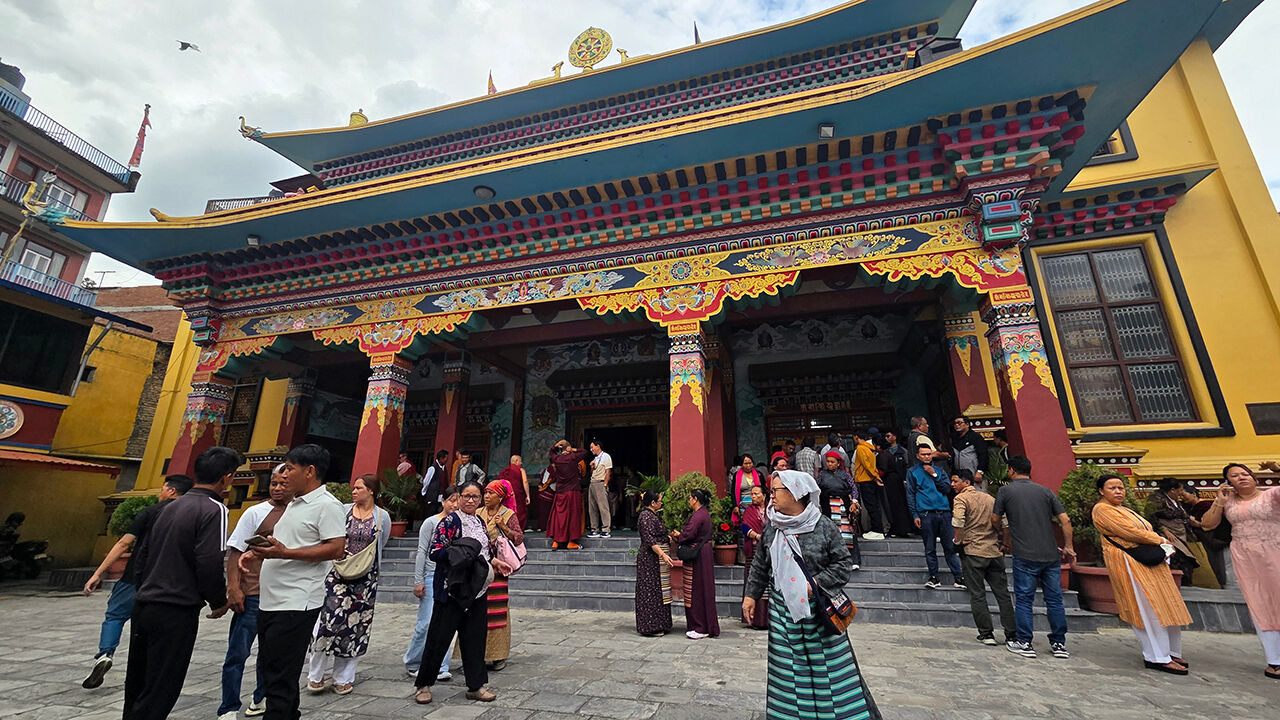
Among the missing was a local leader who guided Sherpas in Tatopani, located in the Sindhupalchok district of Bagmati Province.
"My eldest brother was a monk, but he also worked as a truck driver traveling back and forth across the Tibetan border," said his third younger brother, Bikash Lama Sherpa, 44. "Our phone call three days before the accident was the last."
He choked back tears, saying, "My second older brother, who lives in the United States, heard the news of our eldest brother's disappearance, returned home, and we rented a helicopter together to inspect the accident site. Seeing the completely washed-out terrain, I felt that my eldest brother couldn't possibly be alive, so we ultimately decided to hold the funeral to let him rest in peace."
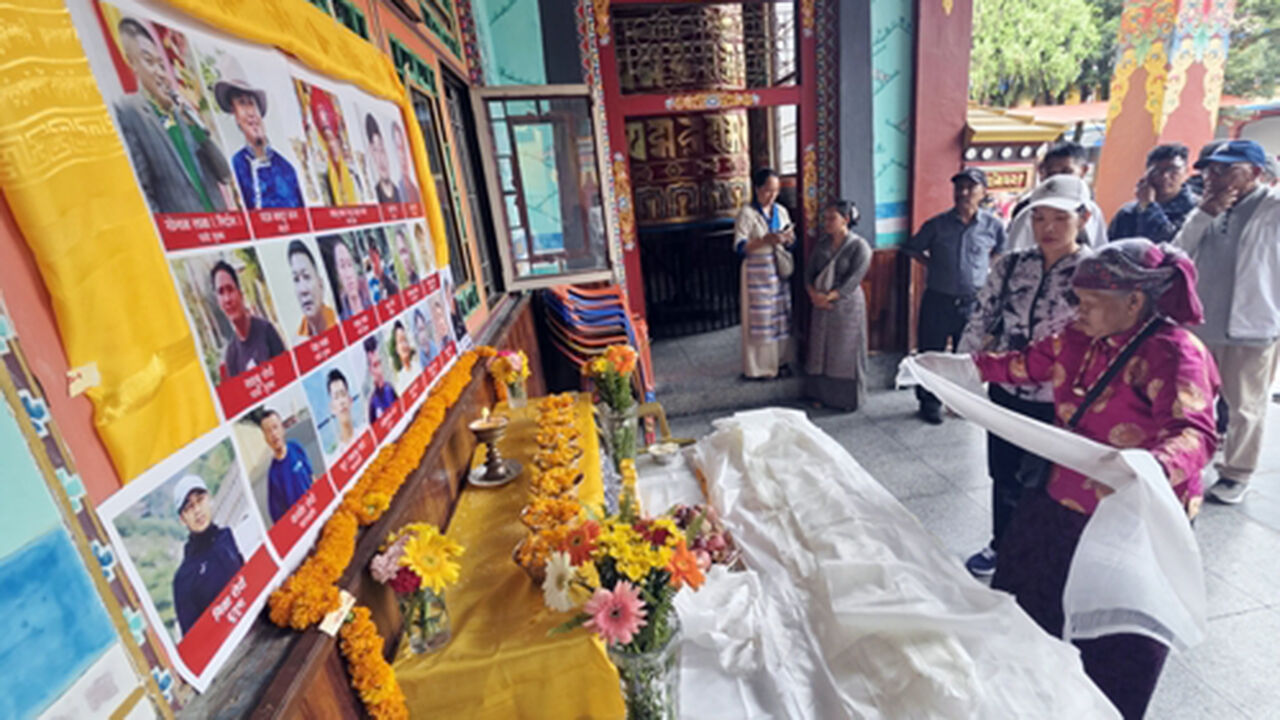
Nima Pasang Sherpa, 34, who attended his brother-in-law's funeral, also said, "We don't know whether he is alive or dead. We couldn't find the body, but we came to hold the funeral (promptly) in accordance with Buddhist culture (similar to that of the Tibet Autonomous Region of China)."
Hearing the news that a funeral would be held, Sherpas gathered at this Buddhist temple from in and around Kathmandu, numbering over 1,000 in about an hour.
They wished that the souls of the missing persons would emerge from the rivers and mud to rest in peace.
"More than 50 Sherpas that I personally know have died or gone missing in these heavy floods," said Lakpa Thilie Sherpa, president of the Sherpa Volunteer Center which operates this Buddhist temple. "My heart aches deeply."
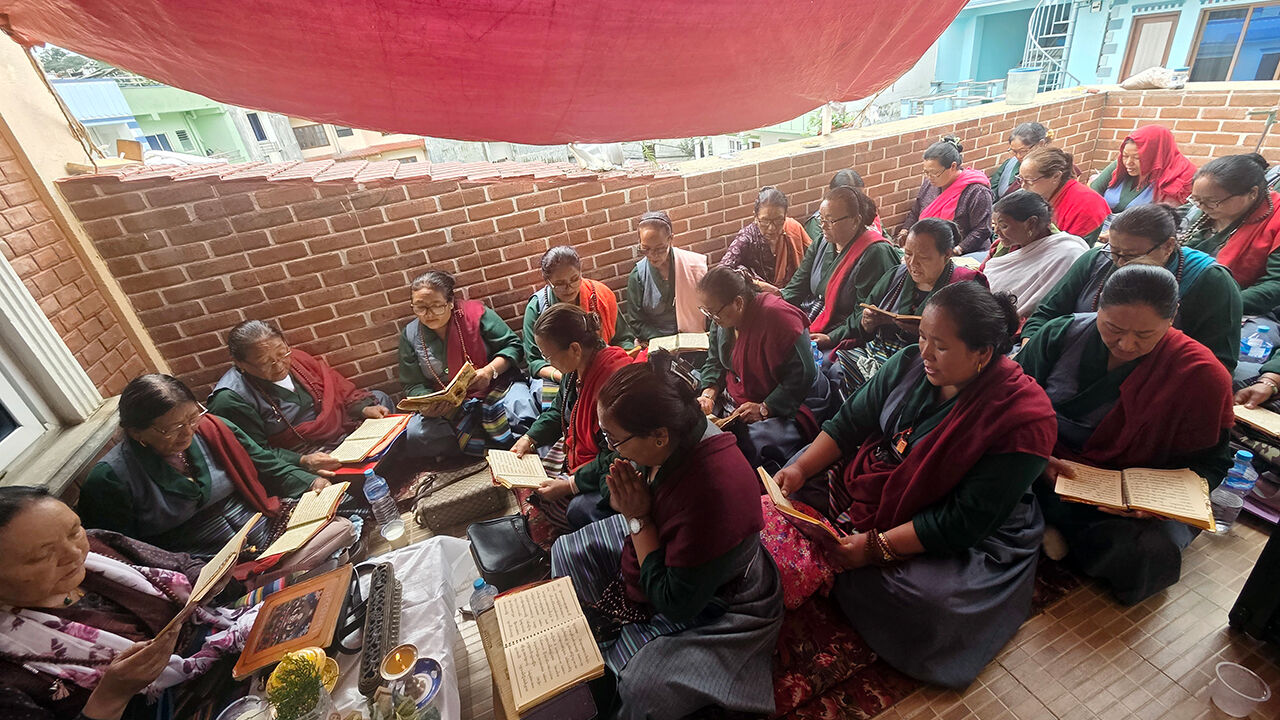
The sound of Buddhist chanting also leaked from a three-story house in the residential area of Makalibari in Kathmandu, located about a 20-minute drive from the Buddhist temple.
About 100 bereaved family members and neighborhood residents, all Sherpas, sat densely packed together to pray for the repose of the head of the household, whose body has not been found.
Meeting outside the house, Chiring Sherpa, 23, recalled, "I have been working as a chef in Toronto, Canada, for three and a half years. An international call came from my father about an hour before the heavy floods hit. That phone call, where we asked after each other's well-being, was our last conversation."
With reddened eyes, he vented, "My father, who worked as a guide at the Tibetan border, said he was going to Kathmandu in two days. If his work had finished just two days earlier, I wouldn't have lost my father."
His uncle also emphasized, "I was working in Japan when I heard the news about my brother and came to Nepal. Such an incident must never happen to anyone again."
Due to massive floods that struck the Himalayan mountainous region along the Nepal-China border on August 26, a total of 1,130 people died and 4,462 went missing across Nepal and neighboring Tibet, China, as of the previous day.
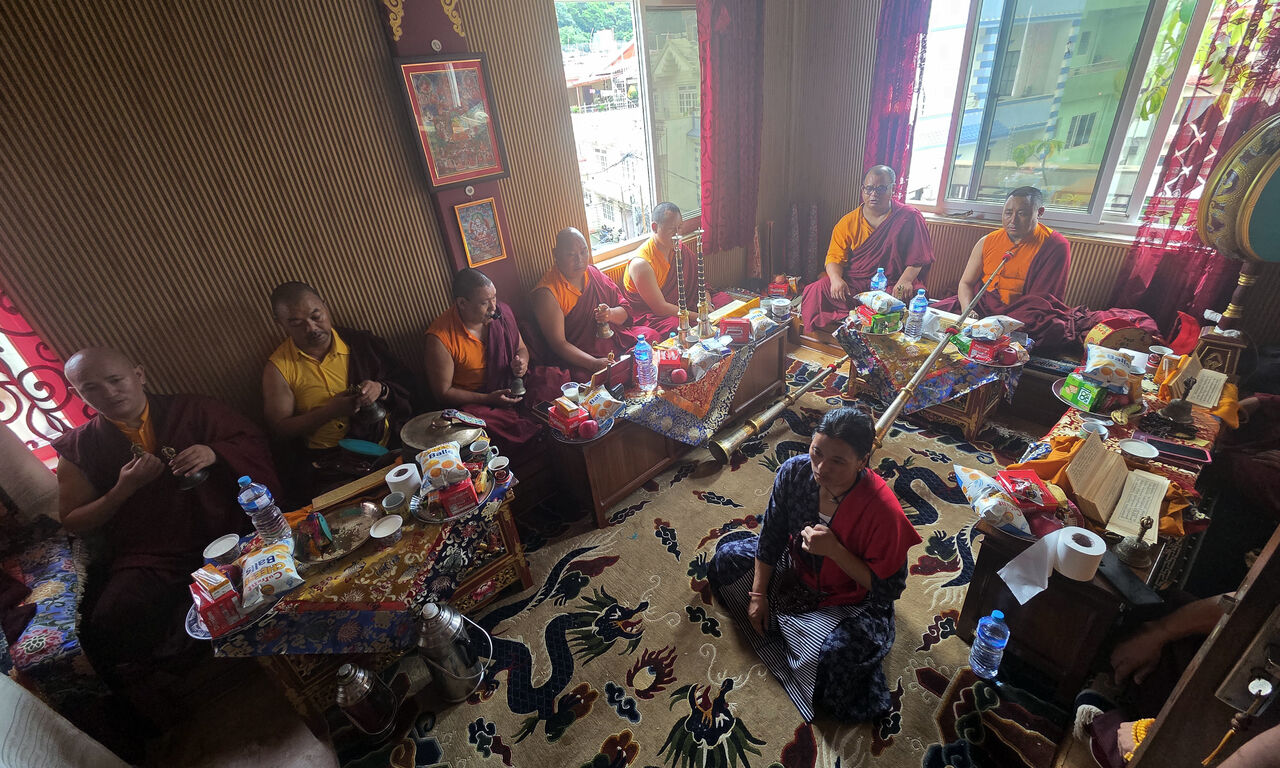
(Photo: Yonhap News)
※ Please note: This article was translated by AI and may contain errors.



 Video News
 Video News
 Video News
 Video News
 Video News