
 KOR
KOR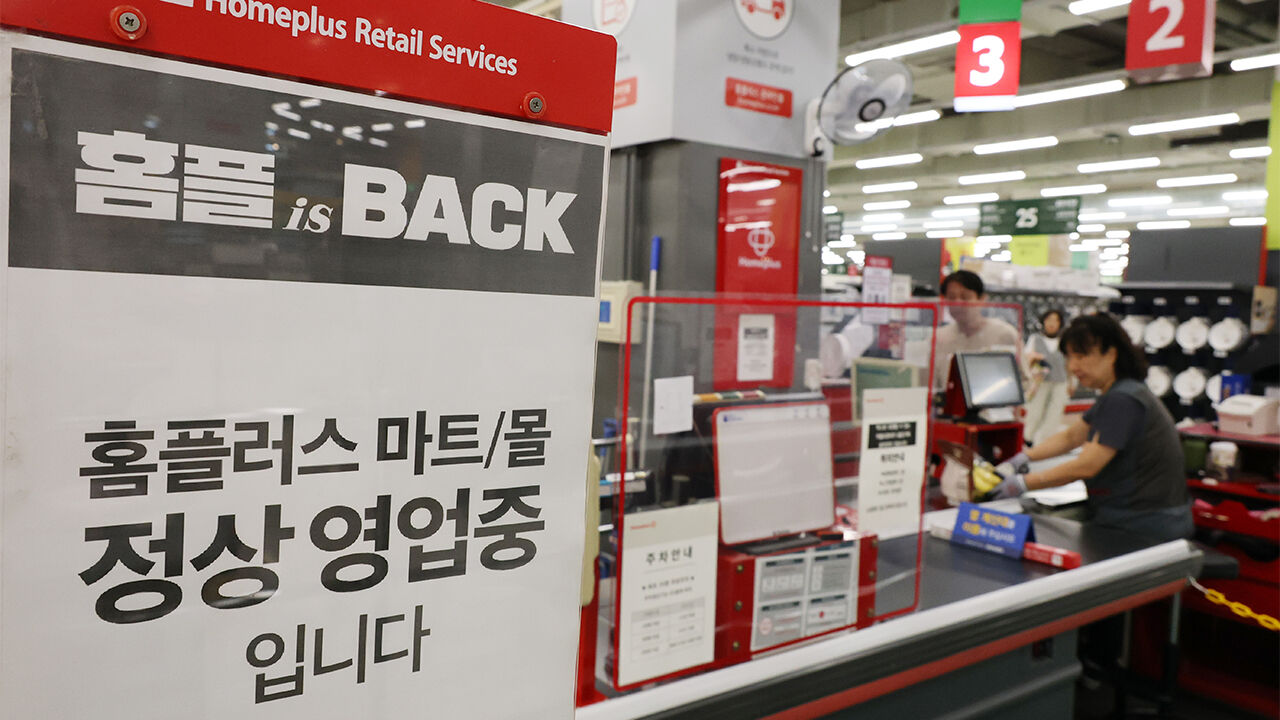
▲ A Homeplus store in Seoul
Small businesses and retail associations have voiced strong opposition following the passage of a revision to the Large-Scale Retail Business Act by a subcommittee of the National Assembly's National Policy Committee, which shortens the payment deadlines for goods supplied by vendors.
The Korea Federation of Small and Medium Enterprises issued a statement today (the 2nd), saying, "A relevant bill to revise the law was passed yesterday in the National Policy Committee subcommittee, aiming to shorten the statutory payment deadline for direct purchase transactions from the current 60 days to 35 days, and for consignment purchases and online intermediary transactions such as open markets from 40 days to 20 days. We are deeply concerned that this measure overlooks the complex gears of the real economy and could trigger a cascading collapse across the small and medium-sized distribution industry."
The organization argued, "While we agree with the objective of helping suppliers recover sales proceeds quickly to improve cash flow, forcing a deadline reduction through legislation will create side effects. There is a high risk that the liquidity of small and medium-sized distributors and platforms will freeze, leading to frequent suspension of settlements caused by a dry-up in liquidity."
It added, "Massive Chinese platforms such as AliExpress and Temu are likely to evade the binding force of this bill. We urge the authorities to withdraw and reconsider this hasty legislation that shakes the foundation of the retail ecosystem."
The Online Shopping Association of Korea also demanded a reconsideration of the revision, stating, "At a time when profitability and liquidity across the retail industry are weakening, and Homeplus stands at a critical crossroads for rehabilitation and normalized operations, tightening regulations while ignoring industrial realities throws cold water on recovery efforts and could invite further insolvency."
In particular, the association pointed out that if shortening the direct purchase payment deadline leads to a shortage of working capital, retailers will likely prioritize proven products from large conglomerates over new items with uncertain sales and low-turnover goods from small and medium-sized enterprises. This, in turn, would shrink sales channels for the small suppliers the law intends to protect.
The association emphasized the need to consider implementation grace periods, phased reductions, and differentiated applications based on business type, transaction category, and company size, urging authorities to find a sustainable path for shared growth among retailers, suppliers, and consumers through thorough preparation.
The Korea Platform Sellers Association expressed concern, stating, "Although the revision claims to protect suppliers, it actually increases the financial burden on distributors, leading to reduced orders and smaller sales, which could threaten the survival of small suppliers and small business owners. The shortened payment deadlines will cause retailers to favor transactions centered on large corporations, further narrowing market access for small businesses."
The Korea Startup Forum also urged careful policy design, noting, "While shortening payment deadlines has the positive effect of improving liquidity for suppliers, it can simultaneously affect the working capital burden and purchasing capacity of direct-purchase retail companies. Careful policy planning is essential to ensure that market entry opportunities for new brands and startups that have not yet secured sufficient sales track records are not reduced."
(Photo: Yonhap News)
※ Please note: This article was translated by AI and may contain errors.



 Video News
 Video News
 Video News
 Video News
 Video News