
 KOR
KOR
'Gulf of Mexico' to 'Gulf of America', 'Lake Ontario' to 'Lake America'
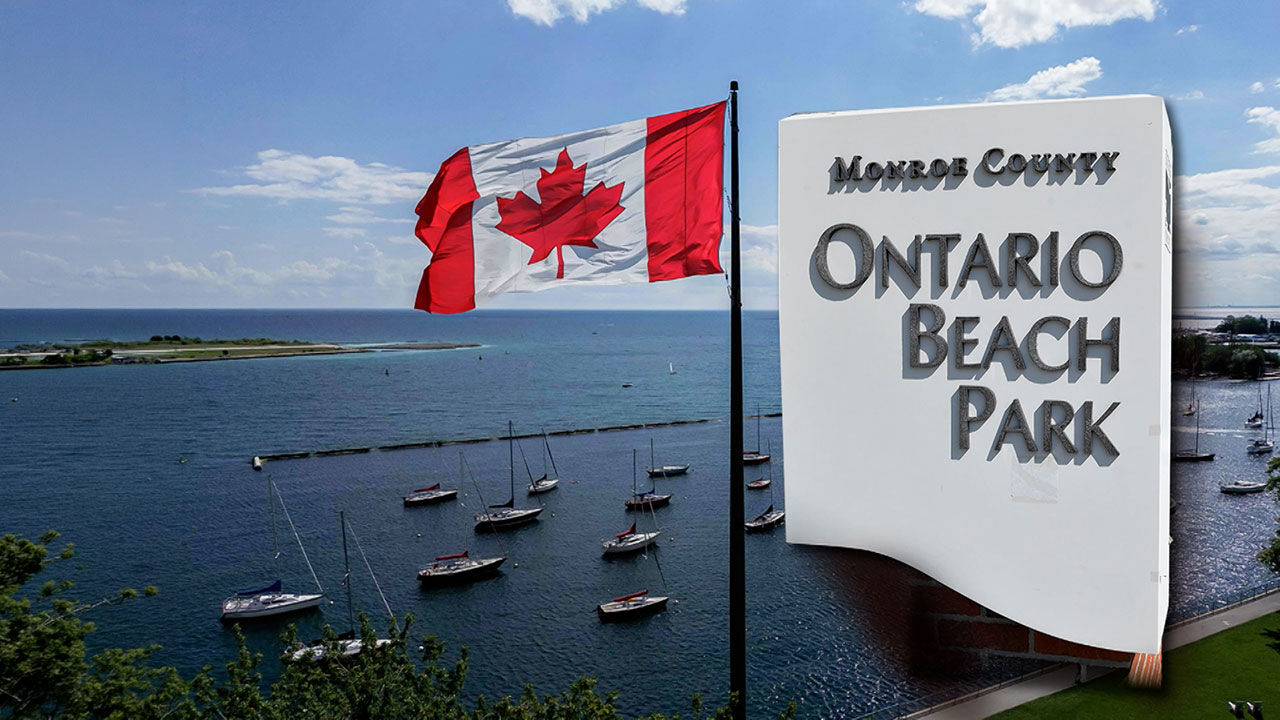
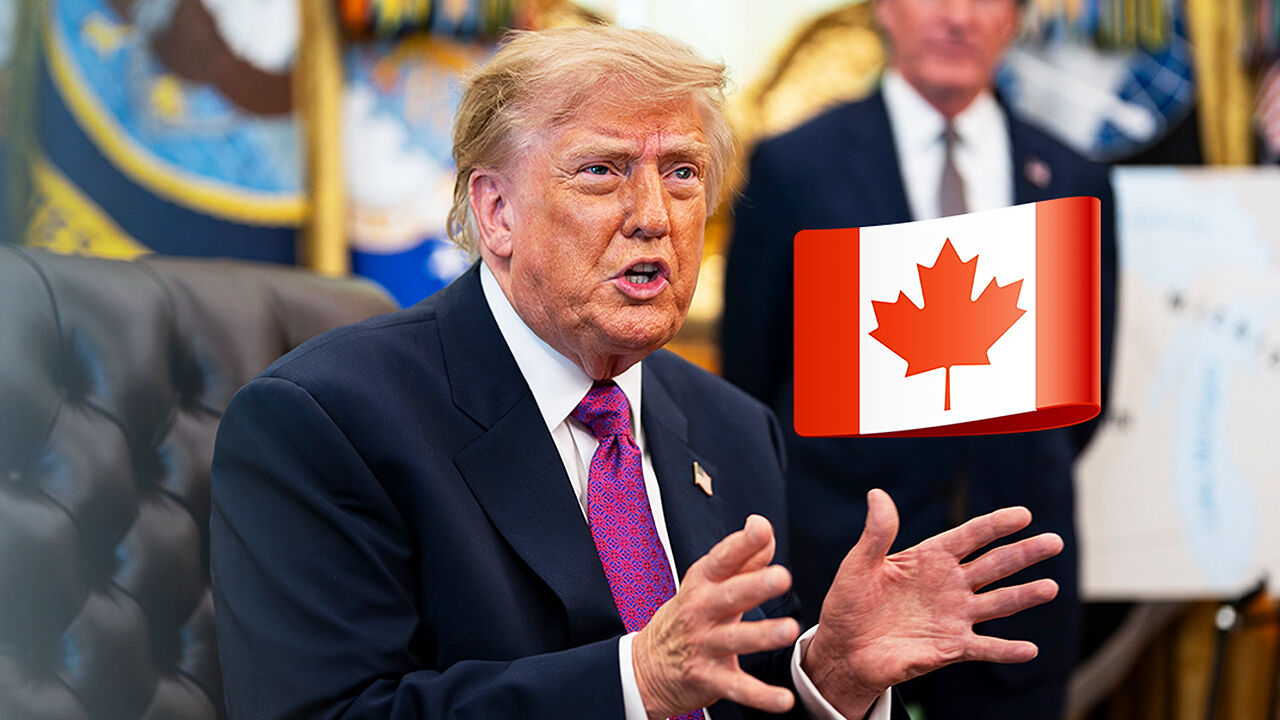
President Trump then played the card of renaming Lake Ontario, one of the Great Lakes bordering Canada, declaring it would be changed to 'Lake America.' At first, it was thought to be a mere threat. However, on the afternoon of August 27 local time, he formally signed an executive order in the Oval Office to immediately change the name to 'Lake America.'
This is not the first time President Trump has altered a well-established geographical name. Early in his administration, he renamed the 'Gulf of Mexico' to the 'Gulf of America.' That, too, occurred amid a power struggle with Mexico over tightening border controls, curbing drug smuggling, and resolving trade imbalances. The stance was so uncompromising that the White House denied press access to the Associated Press for adhering to the name 'Gulf of Mexico.' In effect, the U.S. has clashed over place names with both of the only two countries sharing its borders.
Giant Signs Respond to Google Maps Name Change
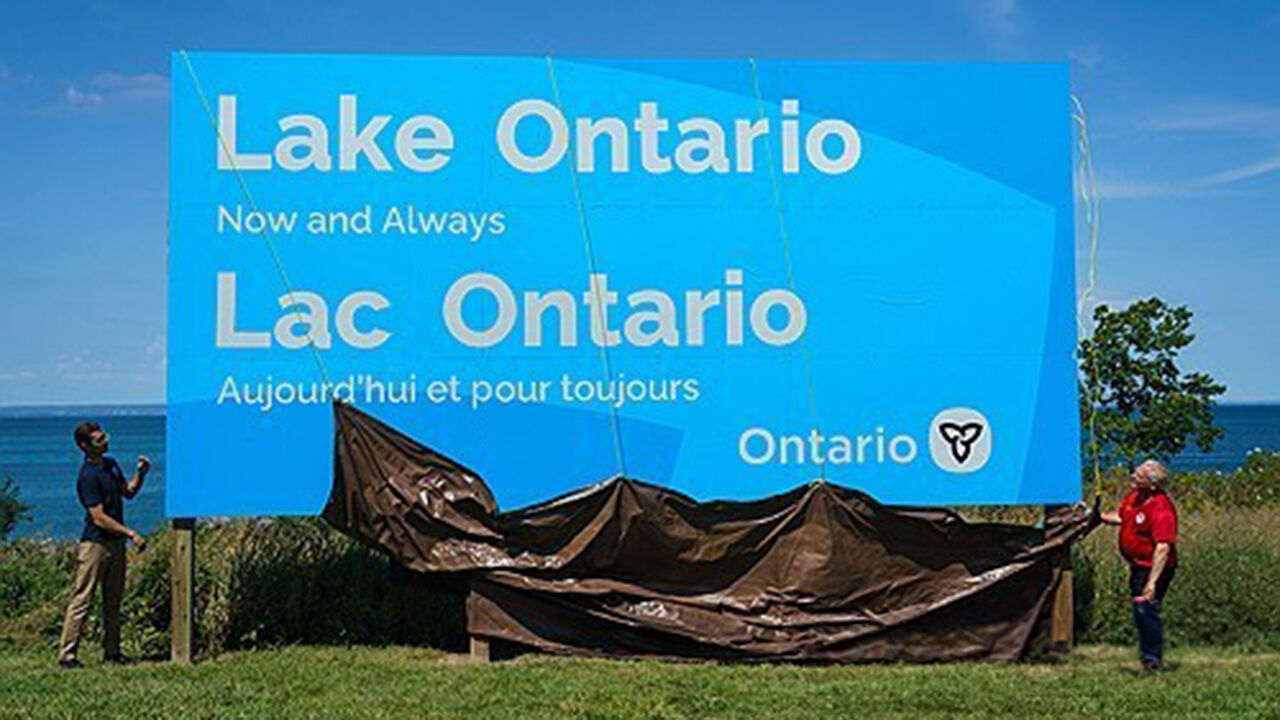
In response, the Canadian province of Ontario installed a massive sign along the lakefront. On the billboard, which reaches the height of a two-story building, the phrase "Lake Ontario. Now and Always" is displayed side by side in both English and French. Prime Minister Carney also pushed back, noting that the name Lake Ontario predates both the founding of the Canadian Confederation and the U.S. Declaration of Independence, declaring that it is "Lake Ontario in the past, in the present, and in the future." He emphasized that the name Ontario derives from the indigenous Wendat word meaning 'beautiful lake' or 'great lake' and has been used for more than 400 years.
No Diplomatic Cause or Profit, but a Visualization of 'America First'
First, it serves as a tactic to secure negotiating leverage through symbolic intimidation. In matters of substantial consequence such as tariffs, trade negotiations, and border issues, it acts as psychological warfare to throw the opposing country off balance and seize the initiative. While the name change itself yields no tangible return, it projects a message of unpredictability to foreign governments—signaling that he will not hesitate to cross conventional and diplomatic boundaries. It functions as a form of "madman theory" designed to impose psychological pressure.
It also operates as a political rally-around-the-flag strategy for domestic audiences. Foreign policy actions are utilized as political showmanship to unify the support base. It visually demonstrates the 'America First' branding, maximizing American supremacy and patriotism. Through this, it delivers strong satisfaction to supporters, giving the impression that he has exercised American sovereignty and restored national standing in ways that conventional bureaucrats never dared to attempt.
Another evident objective is to induce the waste of the counterpart's national resources through asymmetric costs. For the United States, it is merely a single executive order, but defending against it consumes enormous diplomatic, administrative, and public relations energy from Mexico or Canada. While Canadian or Mexican politicians and media become entangled in outrage and expend resources responding to the geographical name controversy, the U.S. aims for higher ground in substantive trade talks, such as tariff and regulatory adjustments.
Finally, there is an intention to dominate the media narrative by overshadowing other issues. It diverts media attention away from unfavorable domestic and foreign political issues or controversial policy failures toward provocative headlines concerning sovereignty. By introducing fiercely polarizing topics, it seeks to drown out various controversies and maintain control over agenda-setting.
Ultimately, the Costs Far Outweigh the Benefits
A greater problem is that closest allies such as Canada, Mexico, and the European Union will no longer view the United States as a reliable partner. They are likely to pursue self-reliance strategies to reduce dependence on the U.S. by building independent supply chains and strengthening multilateral cooperation. Weakening solidarity with allies inevitably undermines the capacity to respond to adversaries. Over the long run, the costs of maintaining hegemony are bound to surge sharply.
The domestic political fallout will also turn negative. If retaliatory tariffs and trade friction persist, the U.S. will see cumulative economic damage, particularly among farmers, manufacturers, and consumers. While the public may cheer momentarily over a display of national pride, sustaining such nationalistic fervor becomes difficult once livelihoods deteriorate. Ultimately, it faces the criticism: "What tangible benefits were gained by inviting international isolation?"
Trump's diplomatic strategy is possible only because the country is a hegemon. Conversely, in the long term, it is also a grave miscalculation that threatens its very status as a global hegemon. This remains the biggest blind spot for Trump, a lifelong dealmaker.
※ Please note: This article was translated by AI and may contain errors.




 Video News


 Video News