
 KOR
KOR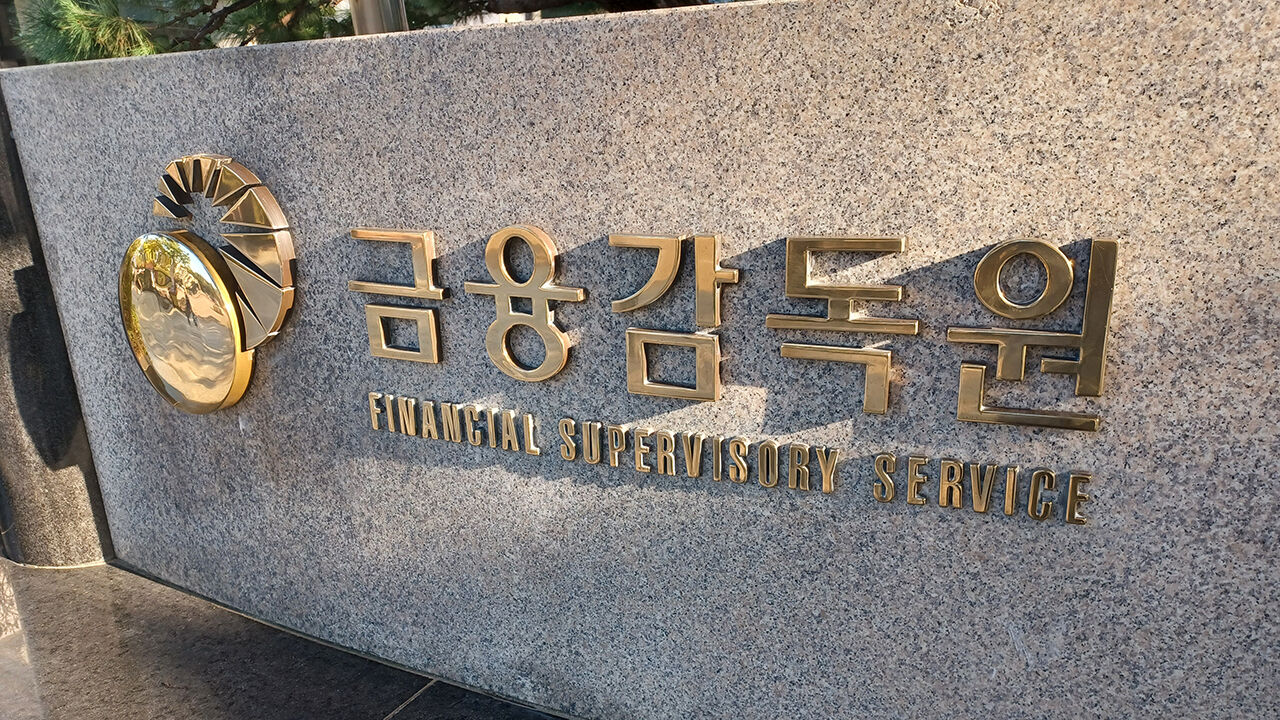
▲ Financial Supervisory Service
Consumer protection measures will be strengthened when banks sell non-deposit products such as derivative-linked funds (DLF) or equity-linked securities (ELS), including clarifying the responsibilities of both manufacturers and sellers starting from the product selection stage.
The Financial Supervisory Service (FSS) announced today (August 30) that the matter was discussed at the 4th Financial Consumer Protection Advisory Committee meeting chaired by FSS Governor Lee Chan-jin on August 27.
While the banking sector has previously improved systems focusing mainly on the sales and post-management of externally manufactured products following the Hong Kong H-index ELS fallout, consumer protection will now be reinforced across all stages, starting from product selection.
Accordingly, the banking sector must prepare agreements and supplement existing contracts to clarify consumer protection responsibilities when selling externally manufactured products.
Manufacturers will be required to provide notifications and take measures upon discovering investment risk changes or errors, as well as support product explanations.
Sellers must conduct independent product reviews and limit management, while both parties will share joint responsibility for resolving complaints and compensating for damages.
For high-complexity financial investment products or overseas alternative investment funds, external experts and manufacturers must participate in the deliberation process, and risk management departments must be guaranteed sufficient data and time when introducing products.
Product explanatory documents provided during ELS sales must specifically state past loss details, and the regular notification cycle for risk-grade 1 and 2 products will be shortened to at least once a month.
The information provided will also be expanded to include early termination fees, redemption conditions, and early termination amounts.
To guarantee consumer choice, asset management prospectuses must state product characteristics and fee structures by subscription channel.
In addition, non-deposit products must be sold by employees who have completed pre-training provided by the manufacturer, and verification procedures for proxy sales rights will be strengthened.
Following a period of collecting opinions, this improvement plan is scheduled to be reflected in the "Best Practice Guidelines for Internal Controls of Non-Deposit Products in Banks" during the second half of this year.
In addition, the advisory committee decided to conduct intensive planned investigations targeting suspected hospitals and clinics in the second half of the year to eradicate practices such as convalescent hospital treatment fee kickbacks and insurance fraud involving obesity treatments.
Institutions whose suspicions are proven through insider whistleblowing and that participated in organized insurance fraud will be singled out, mobilizing all resources of the Insurance Fraud Response Unit and insurers' Special Investigation Units (SIU).
If medical law violations are uncovered during the investigation process, the FSS plans to handle them in consultation with health authorities.
Furthermore, to prevent fraudulent transactions such as account takeovers, identity theft, and unauthorized system access in the e-commerce market, the FSS will pursue (1) upgrading Fraud Detection Systems (FDS), (2) strengthening authentication procedures, (3) strengthening the security capabilities of Payment Gateway (PG) service providers, and (4) reinforcing Anti-Money Laundering (AML) internal controls.
Consent item classifications and standard consent forms will also be improved to reduce consumers' exposure to promotional contacts resulting from credit card companies' linked marketing.
(Photo: Yonhap News)
※ Please note: This article was translated by AI and may contain errors.





 Video News
 Video News
