
 KOR
KOR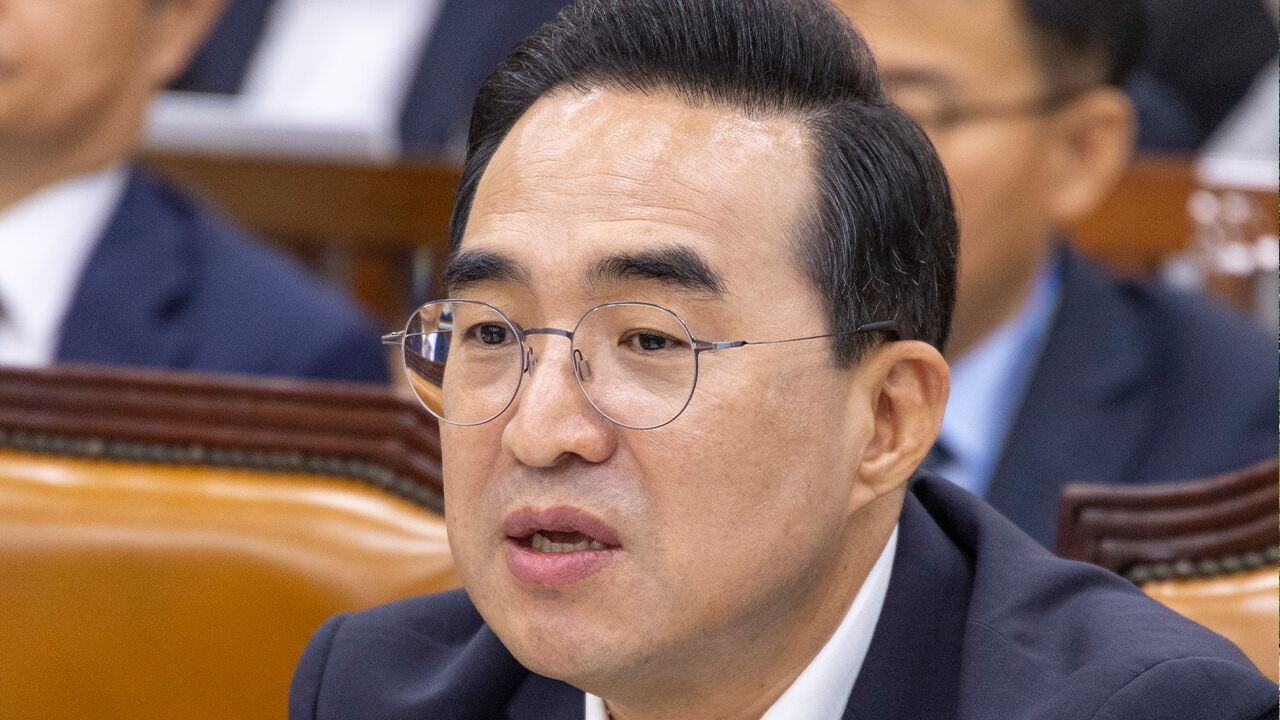
▲ Minister of Planning and Budget Park Hong-keun
The government is expected to unveil a record-breaking budget for next year, exceeding 800 trillion won.
Bolstered by an increase in corporate taxes driven by the semiconductor boom, national tax revenue is also projected to surpass 600 trillion won.
According to relevant government ministries today (the 25th), the Ministry of Planning and Budget is putting the finishing touches on next year's budget proposal containing these measures.
During the National Fiscal Strategy Meeting last month, the Ministry of Planning and Budget proposed a total expenditure growth rate of "over 10%" for next year compared to this year's main budget (729.9 trillion won), signaling a budget in the 800 trillion won range.
This marks the first time the total expenditure growth rate will record double digits since 2009, when it rose by 10.9% during the global financial crisis. Following the initial compilation of a 700 trillion won budget last year, the leading digit of the total expenditure scale will change once again in just one year.
Behind this so-called "super budget" lies an improvement in tax revenue conditions, such as increased corporate tax payments resulting from the semiconductor boom.
An increase in securities transaction taxes driven by the bullish KOSPI market is also cited as a factor expanding tax revenue.
Both inside and outside the government, given the recent semiconductor boom and other factors, the possibility of national tax revenue exceeding 600 trillion won is being discussed.
In this scenario, the size of "additional tax revenue," which serves as a major initial funding source for the Future Response Fund, is also projected to increase significantly.
The Ministry of Planning and Budget defines tax revenue exceeding the trend value calculated by applying the average annual growth rate of domestic taxes over the past 10 years (approximately 6%) as "additional tax revenue," and plans to accumulate this in the Future Response Fund to utilize for necessary projects.
According to the fund creation method explained by the government, next year's domestic tax trend value is estimated at around 370 trillion won.
Considering that domestic taxes have accounted for 88% to 90% of national tax revenue in recent years, if national tax revenue increases to 600 trillion won, domestic taxes are estimated to be around 530 trillion won.
Accordingly, additional tax revenue could expand to around 160 trillion won.
In particular, if the proportion of domestic taxes rises above 90% due to increases in corporate taxes, the scale of additional tax revenue could grow even larger.
Next year's budget proposal is also set to include the scale of this additional tax revenue, as well as the reserve funds and project expenditure scales of the Future Response Fund based on it.
(Photo: Yonhap News)
※ Please note: This article was translated by AI and may contain errors.





 Video News

 Video News