
 KOR
KOR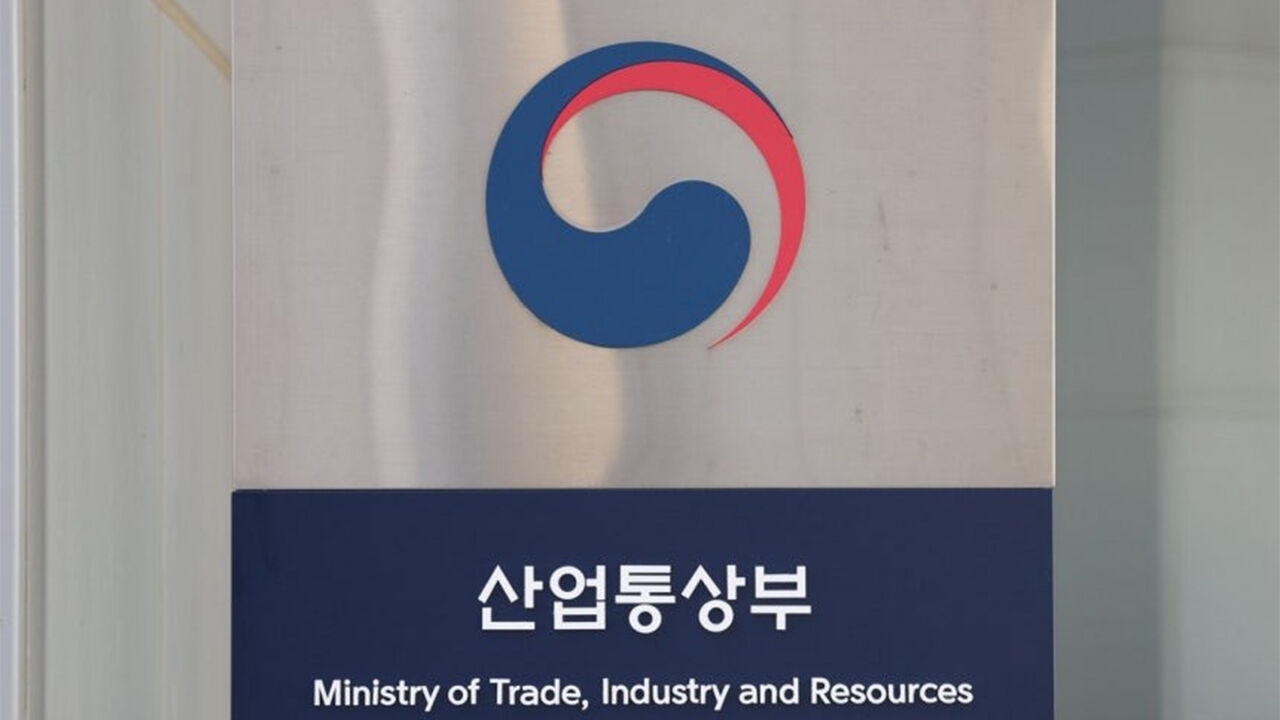
▲ Ministry of Trade, Industry and Energy building
A new fast-track system will be established to swiftly designate areas as industrial crisis response special zones if the downturn of key industries persists in regions already designated for preemptive industrial crisis response.
The Ministry of Trade, Industry and Energy announced today (August 21) that the partial amendment to the Regional Industrial Crisis Response Act containing these measures passed the plenary session of the National Assembly yesterday (August 20).
The amendment includes provisions to reorganize the industrial crisis zone system, which supports the early recovery of regional industries and the resulting economic stagnation.
Under the current law, the industrial crisis zone system is divided into preemptive response zones and response special zones. Critics have pointed out that timely responses were difficult because there was no procedure to transition areas designated as preemptive response zones into response special zones when the decline of their main industries continued.
Previously, applications for special zone designation could only be filed after not only the main industry stagnated, but the entire regional economy had deteriorated.
In response, the amendment introduces a fast-track system that relaxes the application requirements for response special zones if the main industry deteriorates sharply even after designation as a preemptive response zone, enabling swift applications before signs of a regional economic crisis fully materialize.
According to the amendment, a regional economic stabilization phase will also be established to cushion the shock of abruptly cutting off support after the expiration of the response special zone designation period.
Previously, the degree of recovery was evaluated at the end of the response special zone designation period to decide whether to extend or lift the designation, but stabilization measures have been added to support the soft landing and recovery of the regional economy.
The amendment will be promulgated following government transmission and deliberation by the Cabinet meeting, and the Ministry of Trade, Industry and Energy plans to swiftly prepare subordinate statutes upon the law's implementation to ensure smooth enforcement.
Apart from the legislative revision, the ministry is pushing to strengthen secondary compensation to support a portion of interest expenses when companies located in industrial crisis zones receive loans from financial institutions, expand guarantee volumes through the Korea Credit Guarantee Fund (from 300 million KRW to 1.5 billion KRW), and reduce guarantee fee rates (by 0.2%).
(Photo: Yonhap News)
※ Please note: This article was translated by AI and may contain errors.



 Video News

 Video News
 Video News
 Video News