
 KOR
KOR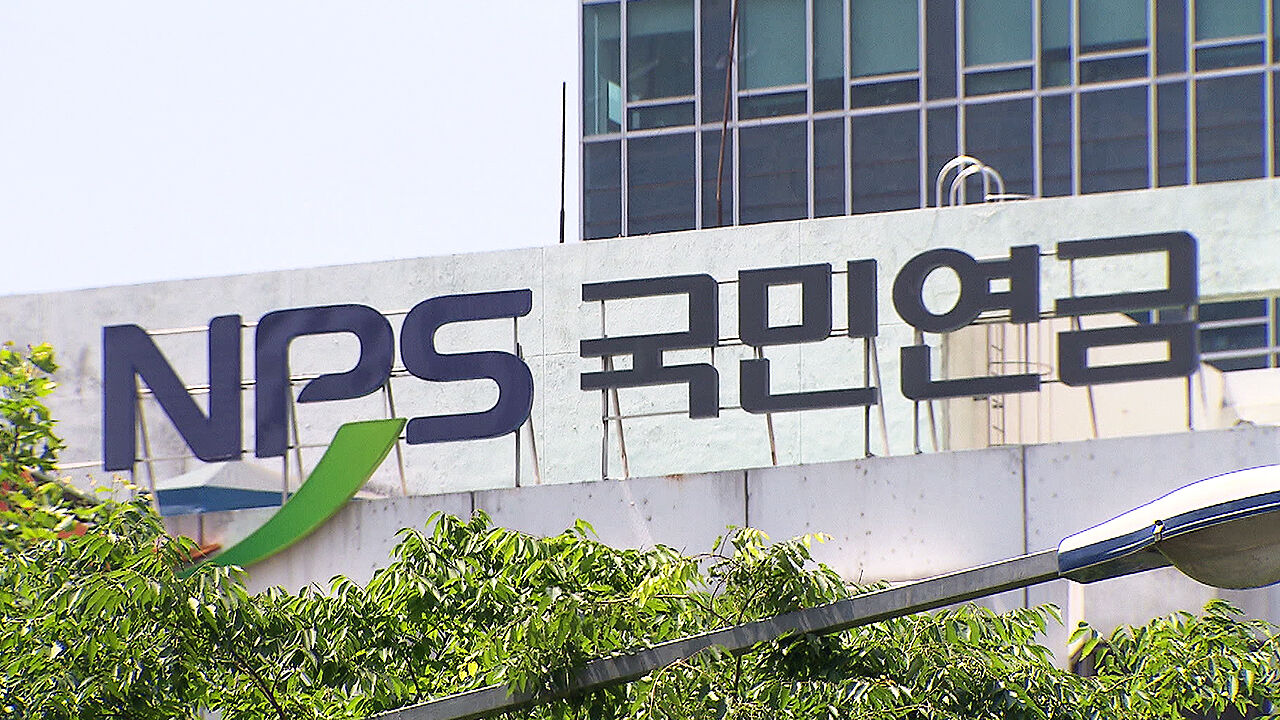
▲ National Pension Service
Cases are increasing where foreign nationals enroll in the National Pension system for just a single month, pay their past insurance premiums in a lump sum, and receive old-age pensions every month for life.
As a result, critics are pointing out that the retroactive contribution (chunaap) system—originally introduced to guarantee retirement income for South Korean citizens and eliminate blind spots for career-interrupted homemakers—is being utilized by foreigners in a way that deviates from its original legislative intent.
According to the National Pension Service (NPS) on Friday, the retroactive contribution system allows individuals to pay past premiums for periods when they could not make payments due to unemployment or business suspension, or periods when their subscription history was cut off due to marriage and childbirth.
First introduced in 1999, the system has also permitted retroactive contributions for up to 119 months for application-exempt periods, such as for non-income-earning spouses or basic livelihood recipients, since November 2016.
The problem is that foreign subscribers also have eligible periods for retroactive applications, allowing them to apply for retroactive contributions without restriction—within a range of less than 10 years—provided they were registered as foreigners during those past periods.
Recently, retroactive applications have steadily increased among foreigners holding F-2, F-4, F-5, and F-6 visas—particularly ethnic Koreans from China—leading to a simultaneous rise in foreign old-age pension beneficiaries.
The F-2 is a residency visa granted to long-term stayers, high-achieving professionals, and investors before they acquire permanent residency; the F-4 is an overseas Korean visa that broadly permits employment and stay for people of Korean descent who have acquired foreign citizenship; the F-5 is a permanent residency visa allowing foreign nationals to live in South Korea for life without restrictions on the duration of stay or employment activities; and the F-6 is a marriage immigrant visa granted to foreign spouses legally married to South Korean citizens.

A Chinese national identified as A entered South Korea on an H-2 visa (a Working Visit visa that allows foreign nationals of Korean descent from China or former Soviet regions to work in designated industries such as simple labor), subscribed at a workplace for just one month, and reached the age of 60.
Initially subject to a lump-sum refund returning the money they had paid, A discovered that receiving a pension would be more advantageous, paid 119 months' worth of retroactive insurance premiums at once, and is currently receiving a monthly pension.
Another Chinese national, B, enrolled for one month as a daily construction worker, left the country to receive a lump-sum refund, re-entered the country, subscribed for another month, maintained voluntary continuous subscription for one month, returned the previously received refund, and went through 119 months of retroactive contributions to accumulate a total subscription period of 121 months, through which they are now receiving a pension.
A Chinese national holding permanent residency (F-5), C, found themselves ineligible to receive a lump-sum refund after 9 months of subscription, whereupon they made retroactive contributions for 128 months, applied for an early old-age pension, and are currently residing in China while receiving the pension.
Various structural problems regarding these foreign retroactive contributions have been raised through multiple channels within the National Pension Service.
First, critics point out that foreign retroactive contributions do not align with the original purpose of the system, which is to protect the pension entitlement rights of career-interrupted homemakers or low-income workers.
Another issue is the legal contradiction between Article 126 of the National Pension Act—which stipulates that, unlike South Korean citizens, foreigners cannot become voluntary subscribers—and the current practice of allowing foreigners to make retroactive contributions for application-exempt periods when they were non-income-earning spouses.
There are also serious concerns regarding fund outflows caused by excessive benefits and limitations in post-management.
Furthermore, in the case of foreigners, it is difficult to precisely verify eligibility, a spouse's subscription history, and residency status through official records, raising the high risk of miscalculating the eligible period for retroactive contributions.
A further burden is that official family relation and marriage verification documents vary significantly by country and carry the possibility of forgery, making it difficult for front-line service windows to verify their authenticity.
There are also persistent concerns that failures to timely detect the deaths of overseas resident beneficiaries could lead to wrongful disbursements of old-age pensions or vulnerabilities in survivor pension management.
At front-line branches of the National Pension Service, voices of concern are growing as an increasing number of foreigners meet the qualifying period for pension receipt (120 months) by utilizing the refund and retroactive contribution systems.
Consequently, momentum is gathering for the view that standards regarding retroactive contributions and pension receipt for foreigners should be promptly overhauled to safeguard public trust and ensure the sustainability of the pension fund.
(Photo: Yonhap News)
※ Please note: This article was translated by AI and may contain errors.



 Video News
 Video News
 Video News
 Video News
 Video News