
 KOR
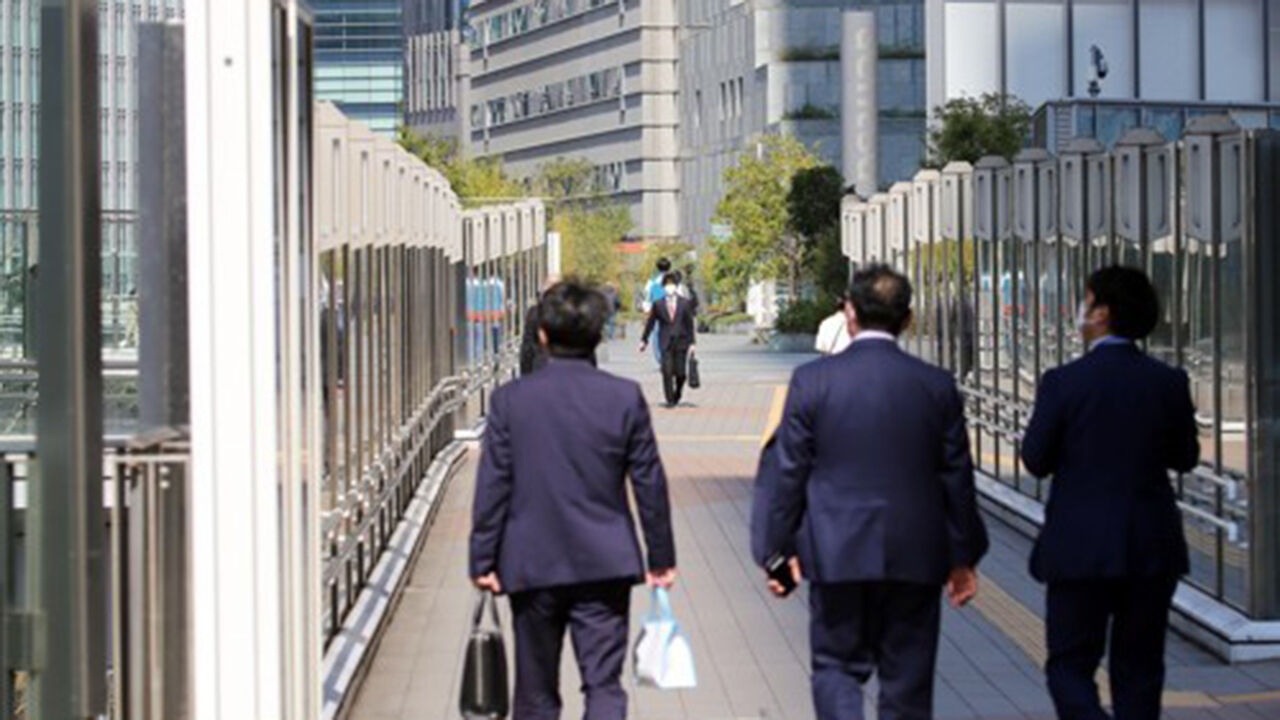
▲ File Photo
Shionogi & Co., a listed Japanese pharmaceutical company, has decided to introduce a system that employs workers aged 65 and older as regular employees.
It is unusual in Japan for a listed company to continuously employ workers over the age of 65 as regular staff rather than contract workers.
This is seen as a desperate measure to maintain competitiveness amid a severe labor shortage.
According to the Nikkei Shimbun (Nihon Keizai Shimbun) on September 19, Shionogi & Co. plans to extend its retirement age from the current 60 to 65 starting next year, while allowing those over 65 to continue working as regular employees if they meet certain requirements.
While the company previously re-employed retired workers on a temporary, contract basis, it will now continue to employ workers as regular staff even after age 65. Under the new policy, the company will decide whether to extend employment each year, provided that the employee wishes to continue and management determines that the individual is capable of performing the duties.
Since the target employees have not yet reached retirement age, regular employees over the age of 65 are actually expected to emerge about five years from now.
Isao Teshirogi, president of the company, explained, "For those who have the will and ability to continue working and are needed by the company, we thought about how to enable them to continue contributing to the company."
Japan has mandated that companies guarantee employment opportunities up to age 65 for those who wish to work since 2012.
Additionally, in 2021, the country legislated that companies should make efforts to guarantee workers' employment opportunities up to age 70.
As a result, while the number of elderly people working has increased, many are rehired by companies after reaching the retirement age of 60 under relatively poor contract conditions.
According to the Ministry of Health, Labour and Welfare, 62.2% of all companies set the retirement age at 60 last year, while only 3.9% abolished the retirement age system.
Last year, the number of employed people aged 65 and older reached a record 9.43 million, but excluding executives, 76.1% of them were non-regular workers.
Amid this situation, cases like Shionogi & Co. offering older workers treatment similar to other employees are increasing.
Construction firm Daiwa House introduced a system last year allowing employees to continue working until age 67 if they wish, even though its retirement age is 65.
Even when working until age 67, there are no changes to compensation, such as salary or bonuses.
Confectionery maker Calbee established a "Senior Meister" position, allowing seniors with specialized knowledge or advanced skills to continue working after the retirement age of 60 while maintaining the same compensation they received at retirement.
Cainz, a home improvement retail chain, raised its retirement age from 60 to 65 this year and introduced a system to maintain compensation, including salary structures, even after age 60.
Hitachi, one of Japan's representative major corporations, also decided not to reduce the pay of "senior employees" rehired after retirement if they perform the same duties as active workers.
The Nikkei emphasized that in a labor market with a severe labor shortage, the presence of senior talent is growing, and human resources systems that determine treatment based on job duties and performance rather than age while securing experienced talent will dictate corporate competitiveness.
(Photo: Yonhap News)
※ Please note: This article was translated by AI and may contain errors.



 Video News
 Video News
 Video News
 Video News