
 KOR
KORNorth Korean Female Workers Emerge in Russia... '8,000 Won Per Hour'
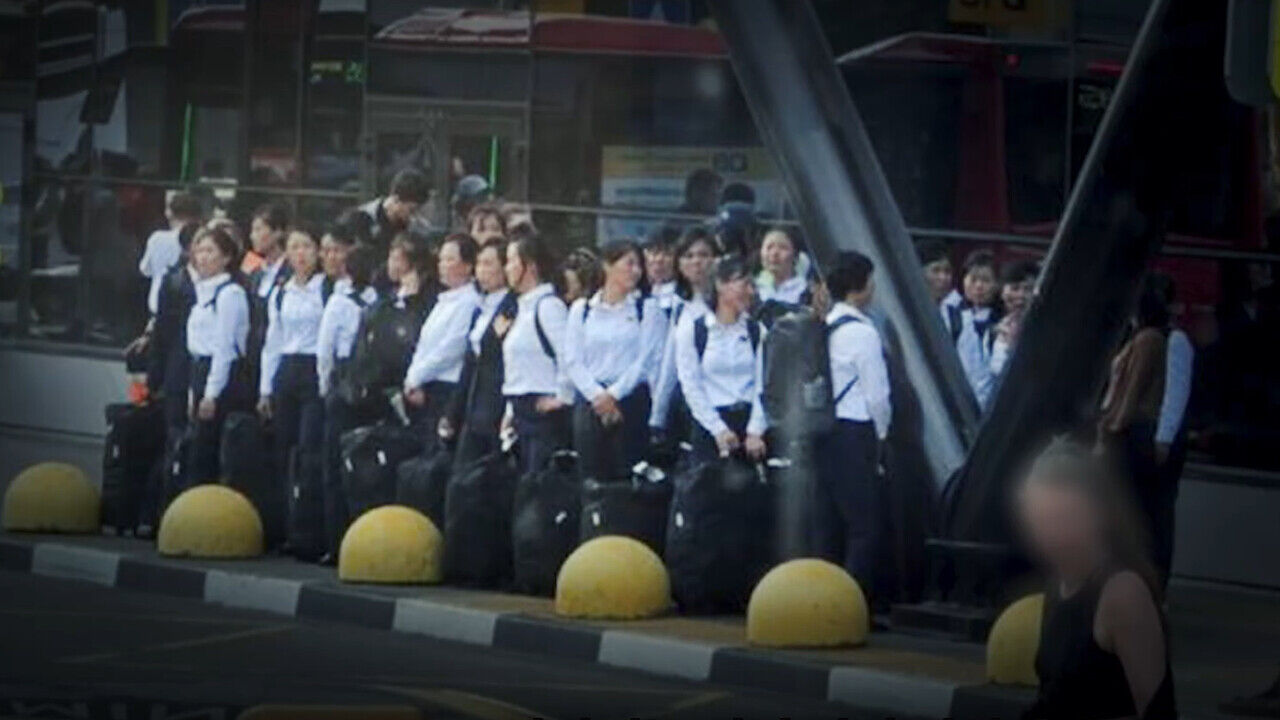
The outlet reported that North Korean female workers are being sent across Russia through employment agencies, working in assembly lines, food manufacturing, and garment production. They reportedly operate in groups of 40. The unit rate offered by companies is said to start at a minimum of 480 rubles per hour, or about 8,000 South Korean won. Scenes showing North Korean women traveling to Russia or apparently working there are frequently spotted these days. Footage was also captured showing North Korean women appearing to report to work at a logistics warehouse for a major e-commerce company, often dubbed the Russian version of Coupang.
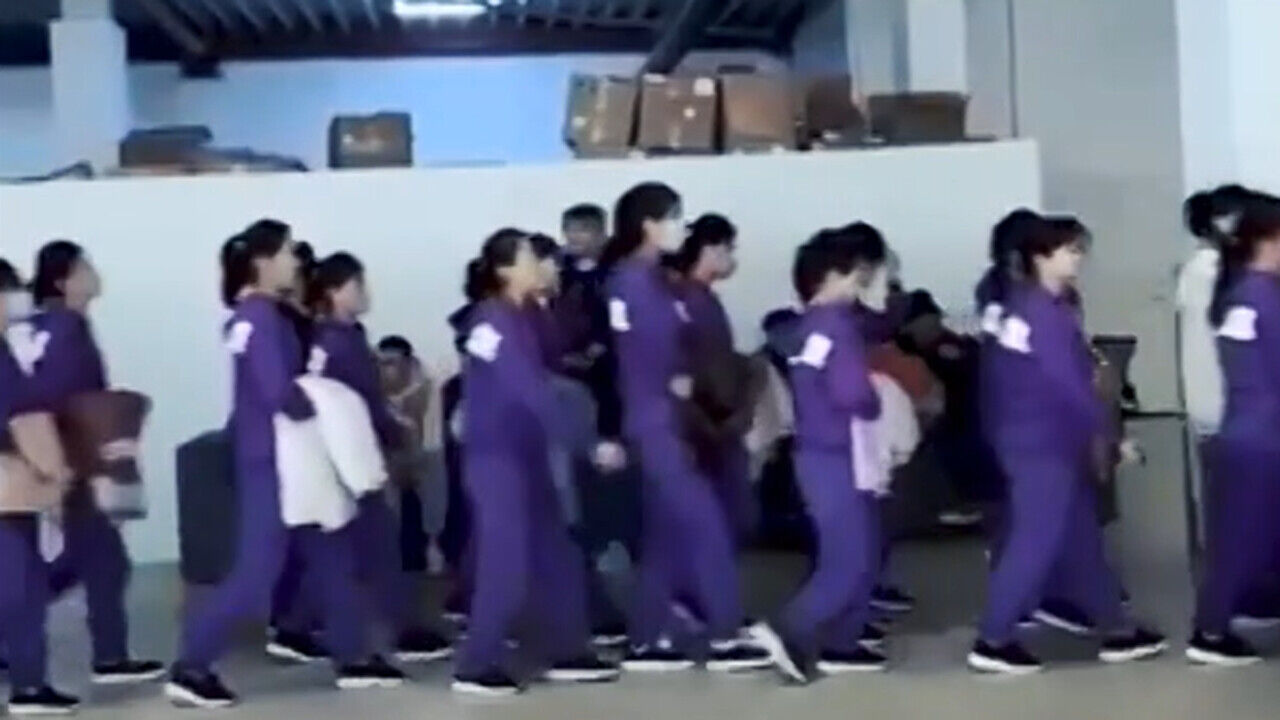
The people here with us are workers from North Korea. They are replacing local staff.
China Was the Main Destination... Is the Dynamics Shifting?
Joung Eun-lee / Head of the North Korean Studies Division at the Korea Institute for National Unification
Previously, 90 percent of North Korean workers heading to Russia were men, while 90 percent of those going to China were women. That was because Russia mainly needed labor for logging and construction, whereas China required labor for apparel and toll processing. Recently, however, this division seems to be breaking down. While Russia previously wanted only male workers, it now wants female workers as well.
While China and Russia previously imported labor in non-overlapping sectors, the situation has now changed. Assessments suggest that their relationship has shifted from complementary to one of competing for North Korean labor. So, which destination do North Korean workers prefer? Recently, a trend showing a preference for Russia over China has emerged. The reason is, unsurprisingly, money.
Joung Eun-lee / Head of the North Korean Studies Division at the Korea Institute for National Unification
Comparing China and Russia, Russia is a very cold region where labor is somewhat tough. People say working there is difficult, but despite that, Russia pays roughly two to three times higher wages.
A business person dealing with North Korea in China shared that while North Korea used to send workers immediately upon request from China in the past, workers now sometimes refuse to go when told to head to China. According to this business person, the monthly salary for a North Korean worker in Russia is around $1,200, whereas in China it is $300 to $500 at most. Even after accounting for mandatory contributions paid to North Korean authorities, the absolute wage gap remains substantial.
Pickier North Korea Leaves Chinese Business Owners Desperate
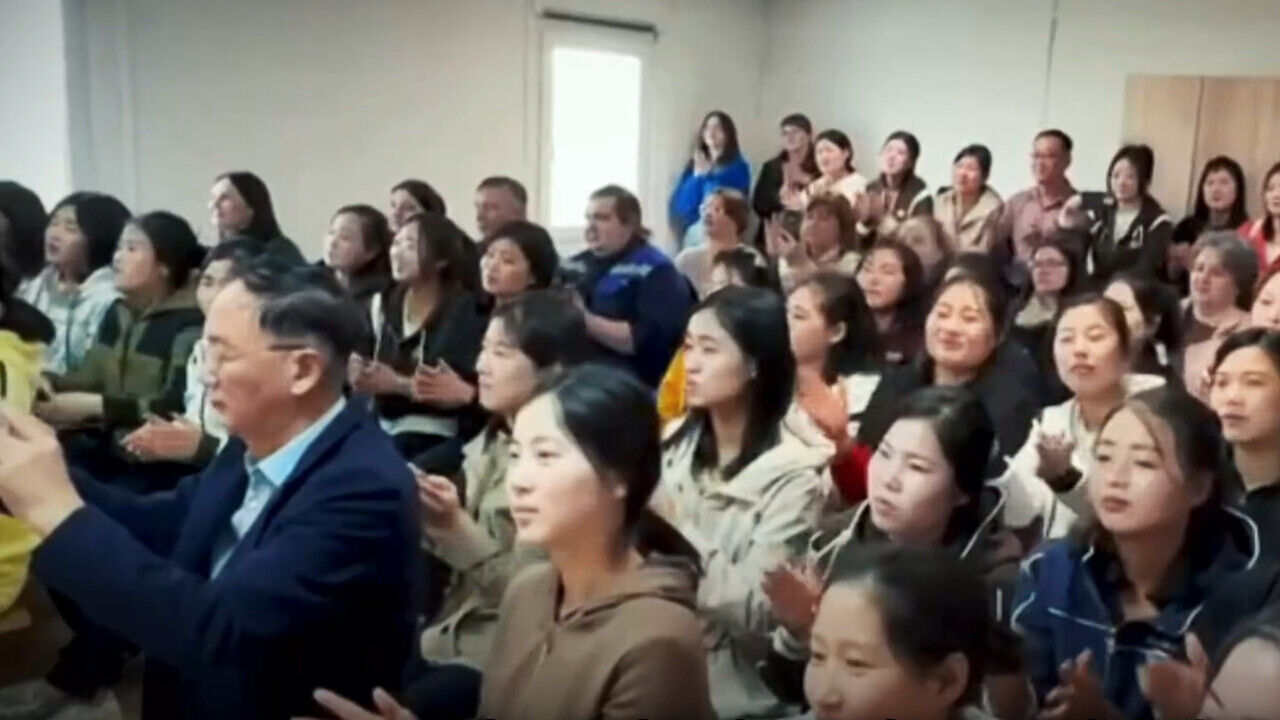
Reports indicate that North Korean workers dispatched to livestock facilities in Russia have demanded nutritional supplements when engaging in hazardous tasks like manure management, and extra pay when working night shifts. Such changes are not limited to Russia; similar shifts are appearing in China as well.
Joung Eun-lee / Head of the North Korean Studies Division at the Korea Institute for National Unification
Recently, an employer who hired North Korean workers was reportedly very surprised. In the past, overtime pay was not measured strictly nor paid abundantly. But now, workers demand that overtime pay be strictly calculated on an hourly basis.
Business owners in China explain that because workers are relatively reluctant to come to China, wages there are also rising gradually unlike before.
Will the Flow to Russia Continue? 'Reserved' Up to Post-War Reconstruction?
Do Jin-ho / Director of the Eurasia Center at the Korea Research Institute for National Strategy
With the prolonged war, military mobilization, and population decline overlapping, Russia is facing a severe labor shortage. In manufacturing alone, a labor deficit of about 1.9 million people is projected for this year, and shortages are particularly acute in the transport and logistics sectors as well.
Ending the war between Russia and Ukraine will not immediately solve this labor shortage. Instead, additional demand will arise once the war ends, as areas devastated by combat will need to be rebuilt through post-war reconstruction.
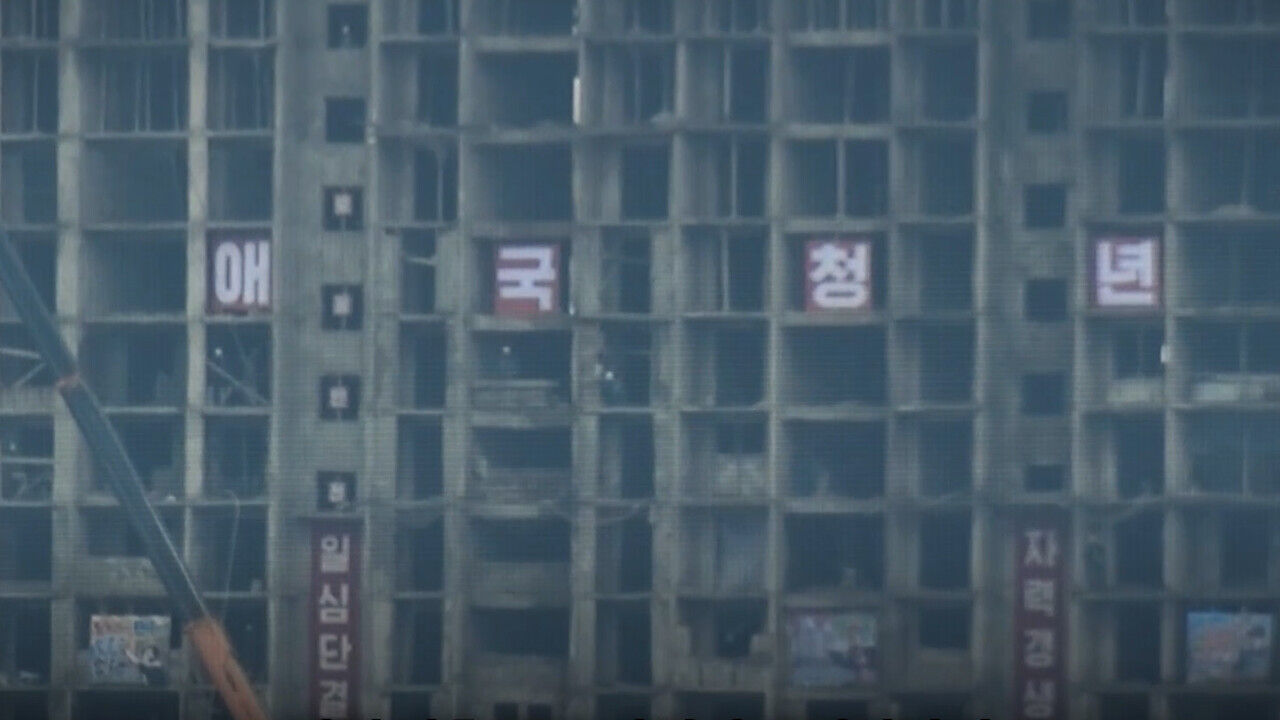
As it happens, large-scale construction projects are among the areas in which North Korea excels. That is why discussions are emerging about the potential deployment of experienced North Korean construction workers once post-war reconstruction gets underway in earnest. In that case, the proportion of male workers or soldiers with construction experience is likely to be much higher. While we have discussed North Korea's overseas labor dispatch, sending workers abroad is fundamentally prohibited under UN Security Council sanctions against North Korea. However, both North Korea and Russia show little concern for these sanctions. Russia continues to need manpower, while North Korea needs sources of foreign currency. As the interests of both sides align, the flow of North Korean workers to Russia and the rivalry between China and Russia over labor are highly likely to continue for the time being.
※ Please note: This article was translated by AI and may contain errors.






 Video News
 Video News