
 KOR
KOR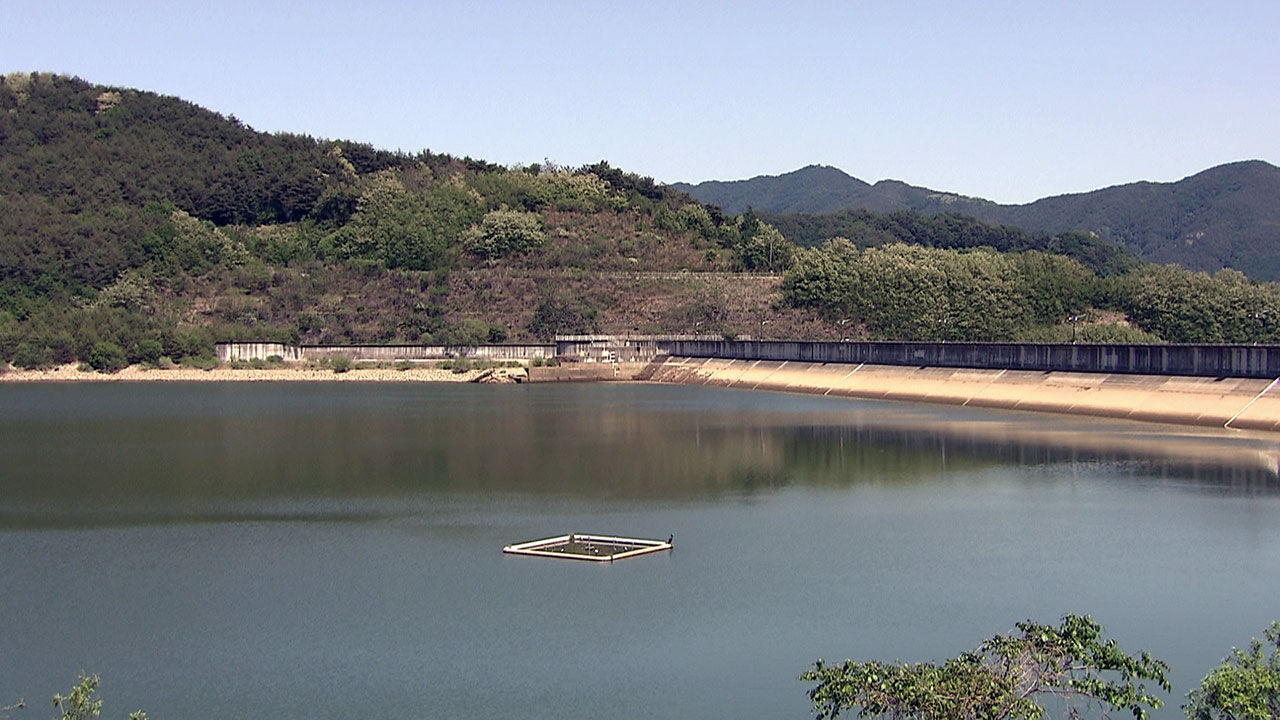
▲ Pumped-storage power plant
Unlike conventional hydroelectric power generation, which relies on a single dam, pumped-storage hydroelectricity—composed of two dams at upper and lower elevations—has recently been attracting attention. This is due to the growth of renewable energy sources such as solar and wind power. While renewable energy's greatest advantage is its virtually zero fuel cost, its most vulnerable point is its intermittent nature, fluctuating depending on weather conditions. Consequently, experts have pointed out the need for complementary facilities to store electricity generated during times of strong sunlight or heavy wind and release it when needed. Pumped-storage hydroelectricity is coming into the spotlight as one such storage solution.
Before the era of renewable energy, pumped-storage power was almost treated as a white elephant. It was originally introduced as a supplementary measure for nuclear power generation. Due to the nature of nuclear power plants operating 24 hours a day, surplus electricity was inevitably generated in the middle of the night. For this reason, pumped-storage power plants were operated by using surplus late-night electricity to pump water up from lower reservoirs to upper reservoirs, and then releasing water from upper dams to generate electricity when power was scarce during daytime hours. South Korea's first pumped-storage power plant is located at Cheongpyeong Dam; construction began in 1975 and was completed in 1980.
Pumped-Storage Power Sees Mixed Fortunes Along With Late-Night Electricity
To what extent has the intermittency of solar power brought forgotten pumped-storage power plants back into the spotlight? A representative example occurred this year on May 1, 2026. For the first time, solar power generation accounted for over 50% of South Korea's electricity production during daytime hours. Around 12:25 p.m. on that day, solar power output reached approximately 28.95 GW, accounting for 50.1% of total power generation. This was reported as the first instance in history where solar power exceeded half of total generation. At the same time, nuclear power stood at 17.8 GW (30.8%), gas at 6.7 GW (11.6%), and coal at 5.7 GW (9.8%). Because industrial electricity demand dropped significantly on the May Day holiday and sunlight was abundant around noon in spring, solar power output surged dramatically. Due to such issues, the government reformed time-of-use electricity rates for industrial power starting in April this year, introducing a system that reduced daytime rates by up to 16.9 won while increasing evening and late-night rates by up to 5.1 won.
Surge in Solar Power Brings Back Pumped Storage
As a result, the utilization rate of pumped-storage power plants began to jump. The average utilization rate of domestic pumped-storage power plants, which was 8.9% in 2021, reached 11.3% in 2024 and recorded 10.7% in 2025. In 2025, it rose by about 2 percentage points compared to 2021, representing an increase of approximately 20% in power generation.
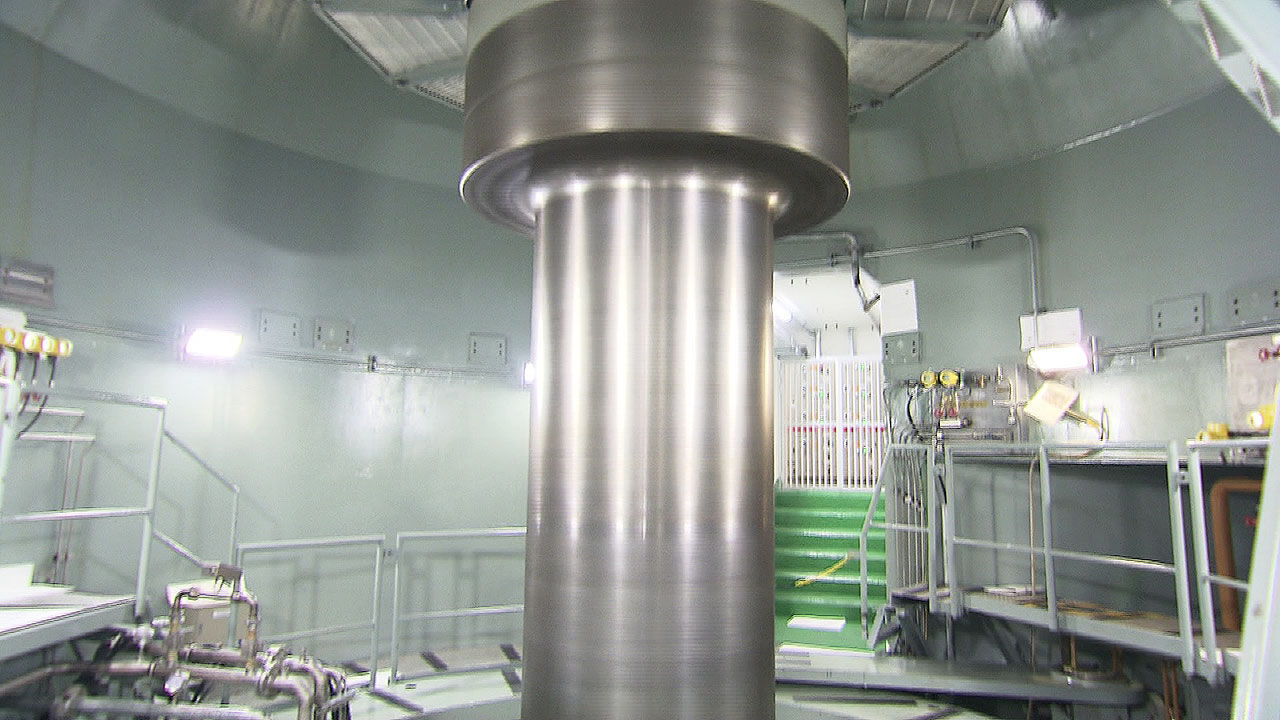
The net income of pumped-storage power plants, which had suffered from chronic deficits, also turned profitable. A net loss of 102.4 billion won in 2021 turned into a net profit of 88.2 billion won in 2025. Of course, this was heavily influenced not only by the increased utilization rate but also by improvements in the rate settlement system between the electricity seller, KEPCO, and the supplier, KHNP.
Pumped Storage vs. Batteries: What Are the Energy Storage Costs?
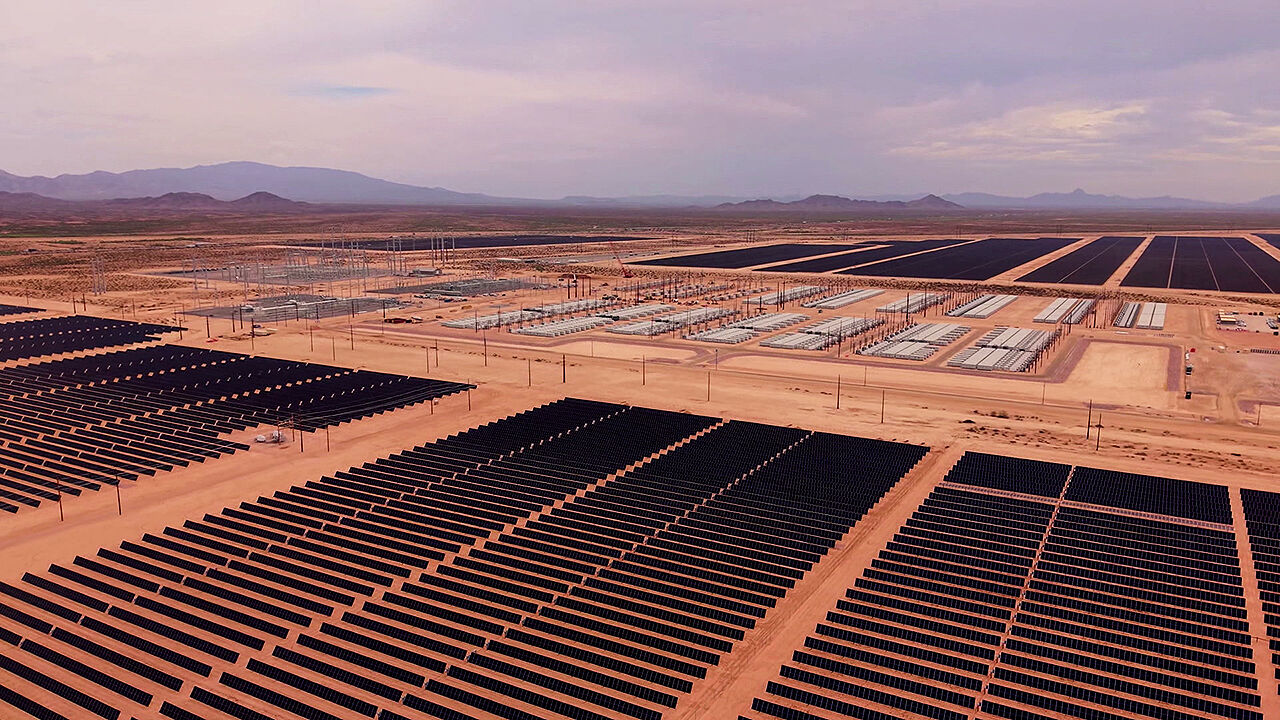
From a long-term perspective as well, the potential of pumped-storage power is coming to the fore. As renewable energy generation surges rapidly, the necessity of Energy Storage Systems (ESS) is inevitably emphasized. The issue, however, is cost. Storing large capacities of electricity requires massive expenditure, whether through battery ESS or pumped storage. Attention is drawn to how much it costs and which option—batteries or pumped storage—is more advantageous. Last year, the Korea Energy Economics Institute released research results comparing and analyzing the storage costs of battery ESS and pumped storage. While LCOE (Levelized Cost of Energy) is used to compare power generation costs, a concept called LCOS (Levelized Cost of Storage) is used in this case to measure the cost of energy storage.
This method evaluates the cost of storing 1 kWh of electricity. For NCM batteries, in which South Korean battery makers such as LG Energy Solution excel, the cost was around 356 won, while LFP batteries, where China holds strength, required 218 won. In contrast, pumped-storage generation was calculated at 172 won. Although the baseline storage duration differs slightly between the two, the key takeaway is that pumped storage holds sufficient potential compared to batteries.
Pumped storage has additional significance. Since 2022, thermal power plants in east coast regions such as Gangneung and Samcheok have sequentially entered operation. However, delays in power grid transmission construction have prevented power from being supplied to the Seoul metropolitan area, leading to repeated instances of output curtailment or operational shutdowns. For this reason, the Yecheon Pumped-Storage Power Plant daily utilizes power produced by east coast thermal power plants during daytime hours for pumping. It is taking on not only solar electricity but also thermal power generated by power plants that would otherwise go to waste.
Need to Review and Improve Compensation and Settlement System for Pumped-Storage Generation
However, critics point out that despite the high economic viability and public value of pumped-storage generation, the current market compensation system still fails to sufficiently reflect reality. Considering structural characteristics such as massive initial construction costs, long lead times, and high maintenance burdens, a rational reform of the compensation and settlement system is needed—one that matches the value of grid flexibility and timely power supply provided by pumped storage. In an era of growing renewable generation sources, to stably respond to power grid volatility, realistic institutional and financial incentives must be established to ensure sustainable operation and encourage new investment in pumped-storage systems.
(Reporting support: Semyung University Graduate School of Journalism)
※ Please note: This article was translated by AI and may contain errors.






 Video News
 Video News