
 KOR
KORCornfields Cracking Open: "Everything Has Scorched"
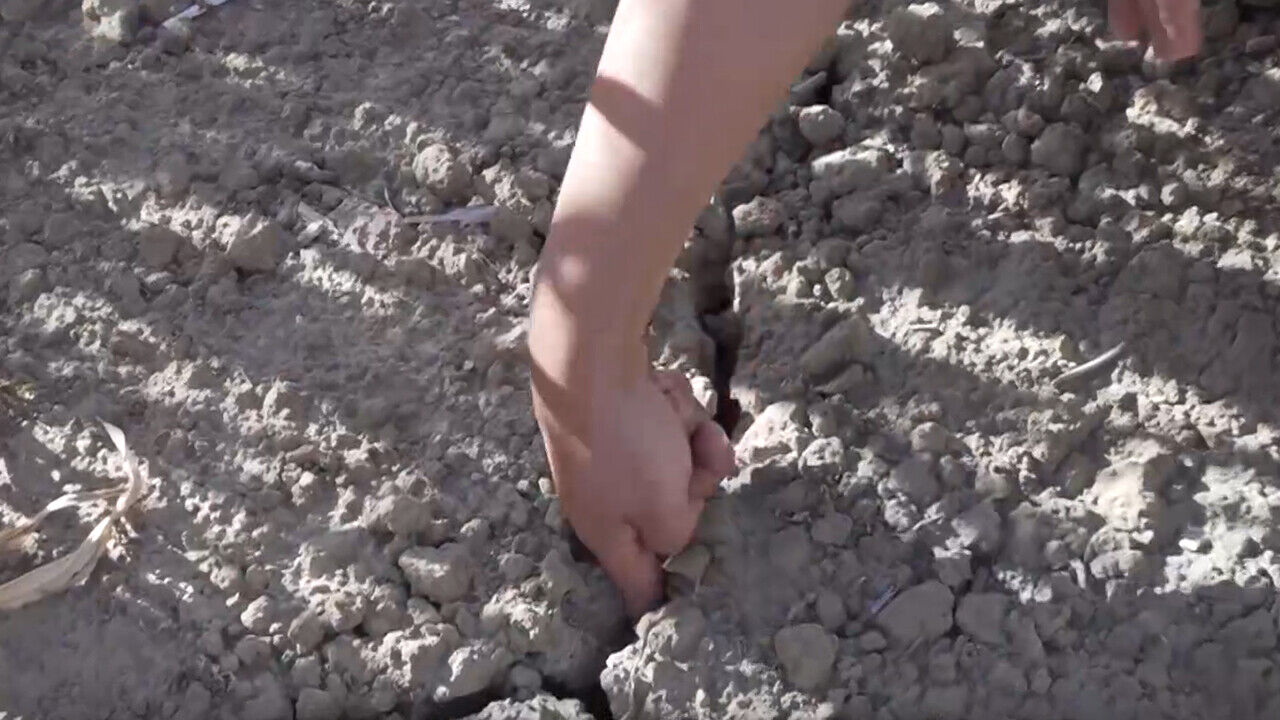
What you are seeing now is a cornfield in central France. Farmers here are in the middle of corn season following the wheat harvest. But the ground is cracked wide open—so deep that two finger joints could easily fit in. There is no way corn kernels can form properly under such conditions. The few ears that did grow were mostly dried up. France forecasts that this year's corn harvest will drop to an all-time low. I also met a cattle farmer, whose situation was equally dire. The field you see here was originally a pasture where cattle grazed. It used to be a lush meadow, but the grass has completely vanished due to the drought.
The farmer said everything had burned up, leaving nothing left for the cattle to eat. As a result, he has had no choice but to feed them fodder. The problem is that this is winter feed. During winter, when it is cold and grass is scarce, cattle are fed indoors, but farmers are having to use up these supplies early. Even those reserves are now running out. If the drought persists, he said he will have to resort to using straw originally stored as bedding for the barn floor as a last resort—feeding the cattle what was meant to be their beds and blankets.
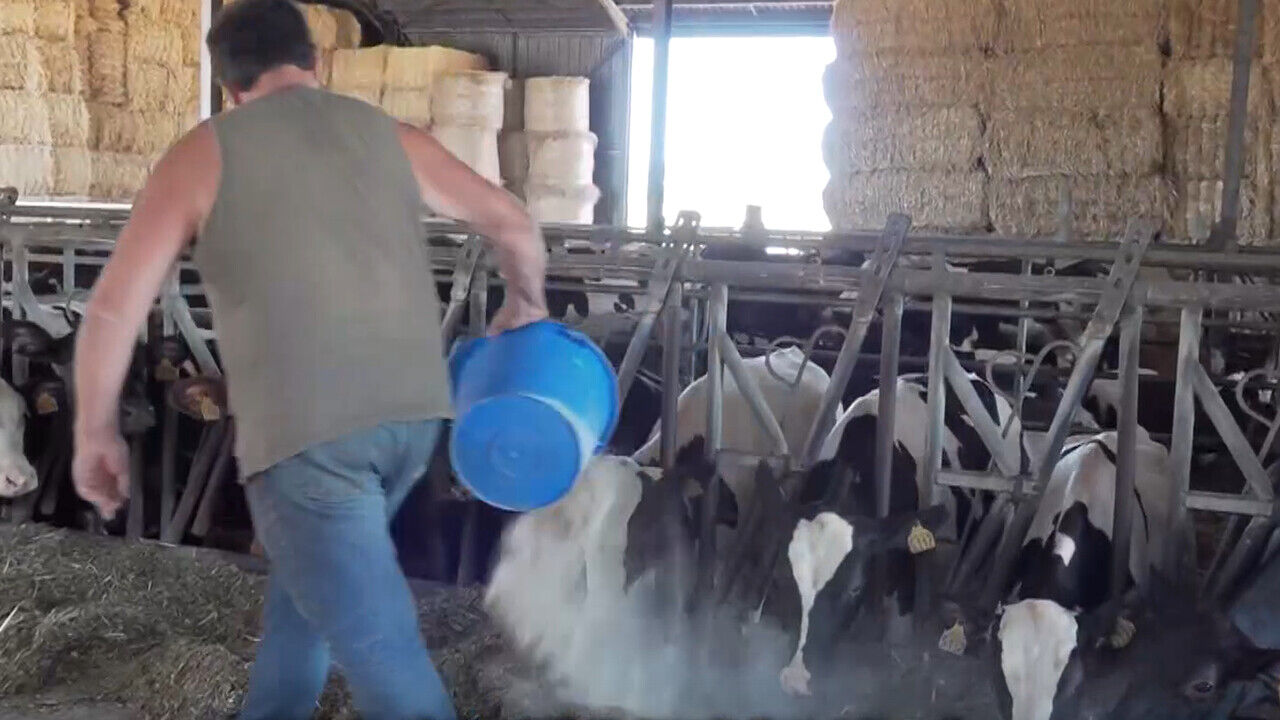
Philippe / French livestock farmer
"Nearly 70 to 80 percent of French livestock farms are facing severe feed shortages as grass disappears from pastures. We are using up hay intended for winter early, so our stocks are running low as well."
This farm was relatively well-prepared and is holding out on stored feed. However, 70 to 80 percent of livestock farms in France are suffering from feed shortages. It is all due to a lack of water.
"Never Seen Anything Like This": 43% of Rivers Have Dried Up
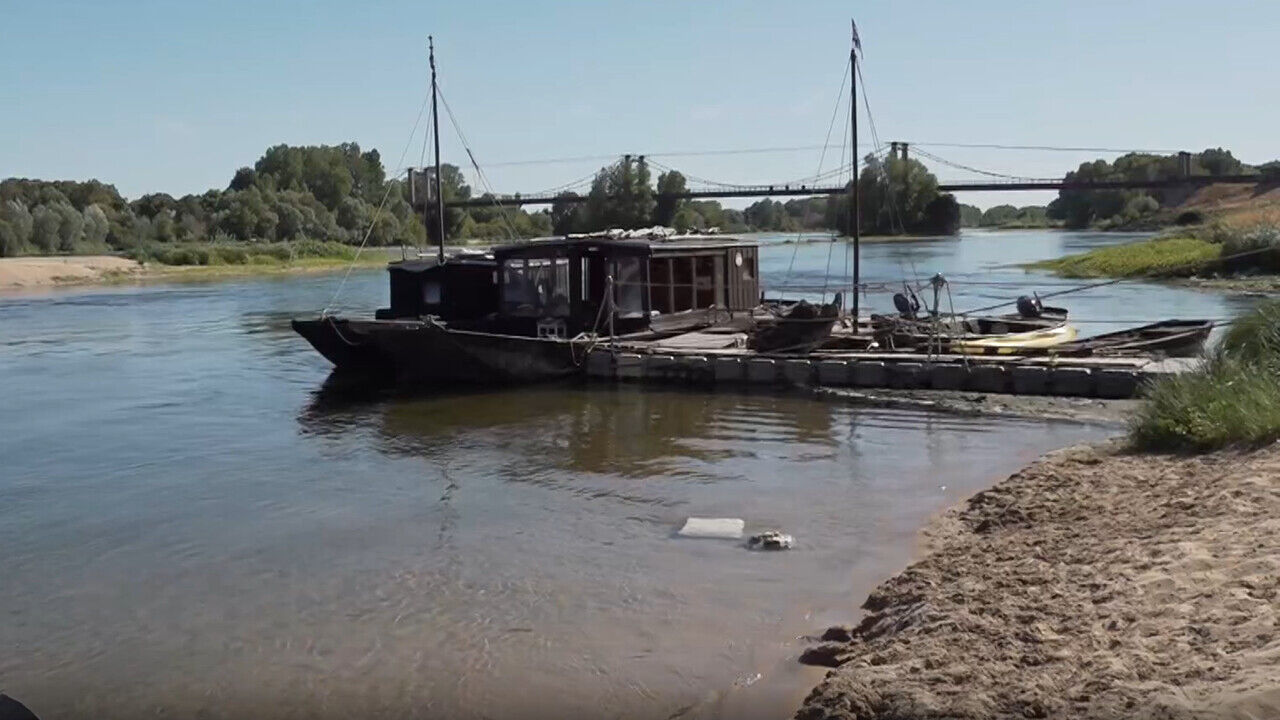
Denis Rimbaud / Cruise boat operator
"To be honest, cruise operations are completely impossible this year. This is truly unprecedented. A drought like this is really historic."
I also visited a spot where swimming was normally banned due to deep water and strong currents. Even after I walked far into the river, the water remained below my knees. France has slightly over 3,000 rivers, but more than 1,300 of them have dried up completely or seen their watercourses cut off. The French government announced that 43 percent of its rivers have become dry riverbeds. As a result, authorities are on high alert.
France manages water through a three-stage system during shortages. The most severe stage is the "crisis" level, where water usage is heavily restricted. Excluding essential needs such as drinking water, sanitation, and medical uses, even water for agricultural purposes is limited. France has administrative divisions similar to provinces, called "départements" in French (departments in English). There are 96 départements in mainland France. Among those 96, crisis alerts have been issued in 67 départements. While this does not mean every single part of all 67 départements is affected, at least some area within each of those 67 departments is under a crisis warning. This highlights how widespread and severe the drought is across France.
"Cracks in My House... What Should I Do?"
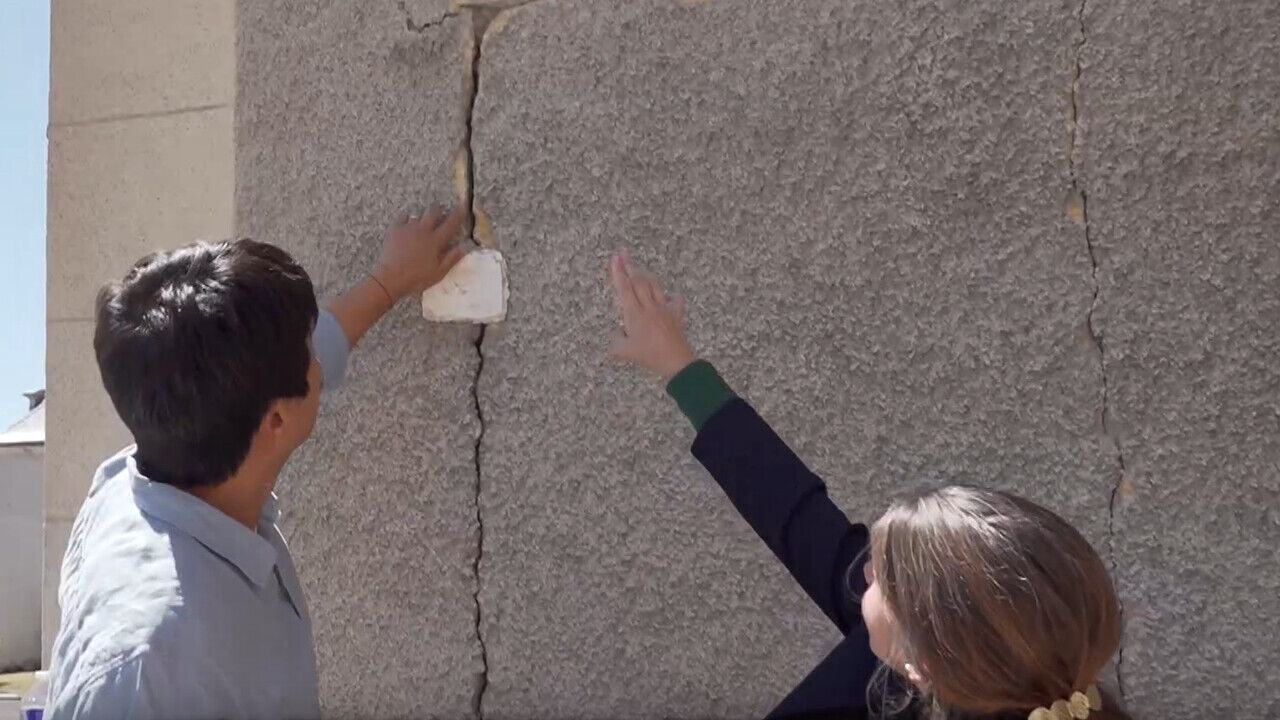
Aurore Caro / Mayor of Meung-sur-Loire
"Our residents are extremely agitated right now. Emails are pouring into town hall with people asking, 'My house is cracking, what am I supposed to do?'"
When asked how that connects to the drought, officials explained that in towns built on reclaimed land along riverbanks or former marshlands, the foundation consists of clay rather than bedrock. The severe drought dried out the soil deep underground, causing the earth to shrink. This ground shrinkage resulted in structural cracks in homes. In that village, even the town hall building suffered severe cracking, leading local authorities to request a disaster zone declaration from the central government.
Nuclear Reactors Shut Down, Night Views Disappear
Eastern European nations relying on the Danube River face far more desperate conditions. Hungary has four nuclear reactors that account for more than half of the nation's electricity production. Three of those four reactors have already been shut down, while the remaining one is barely running at reduced output. Neighboring Romania is in an even worse situation: one of its two reactors is completely shut down, and the other is on the verge of shutting down. Desperate due to a water shortage leading to the reactor, workers went as far as conducting underwater demolitions to clear a channel. Underwater bedrock, which posed no issue under normal conditions, acted like a dam blocking the flow when water levels plummeted. Authorities deployed 180 kilograms of explosives to blast through the rock.
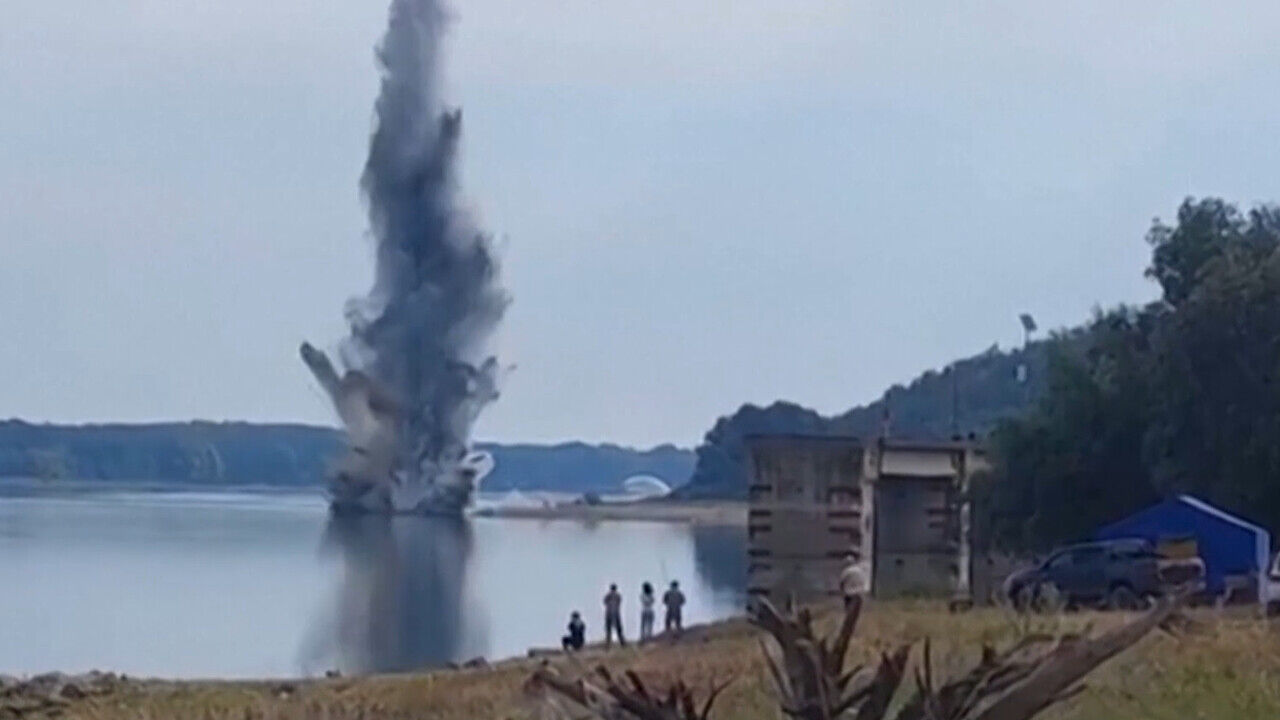
Unable to operate power plants properly, governments are cutting electricity starting with public facilities. As a result, the iconic night view of Budapest, the capital of Hungary, has vanished. Romania declared a state of national emergency and turned off all non-essential lighting. In the UK, half of England is under drought conditions, with precipitation this summer dropping to just 7 percent of normal levels. Although no immediate power rationing has been imposed, the UK suspended electricity exports to countries like the Netherlands.
The problem is that this summer's heat waves and drought—already considered the worst in history—are far from over. Another heat wave is sweeping across France this week. Forecasts project that the extreme heat and drought could reduce the European Union's GDP by 1 percent this year, or approximately 295 trillion won. Europe already faces heavy spending needs while incoming revenues decline, and now, to make matters worse, even the weather is refusing to cooperate.
※ Please note: This article was translated by AI and may contain errors.



 Video News


 Video News
 Video News