
 KOR
KOR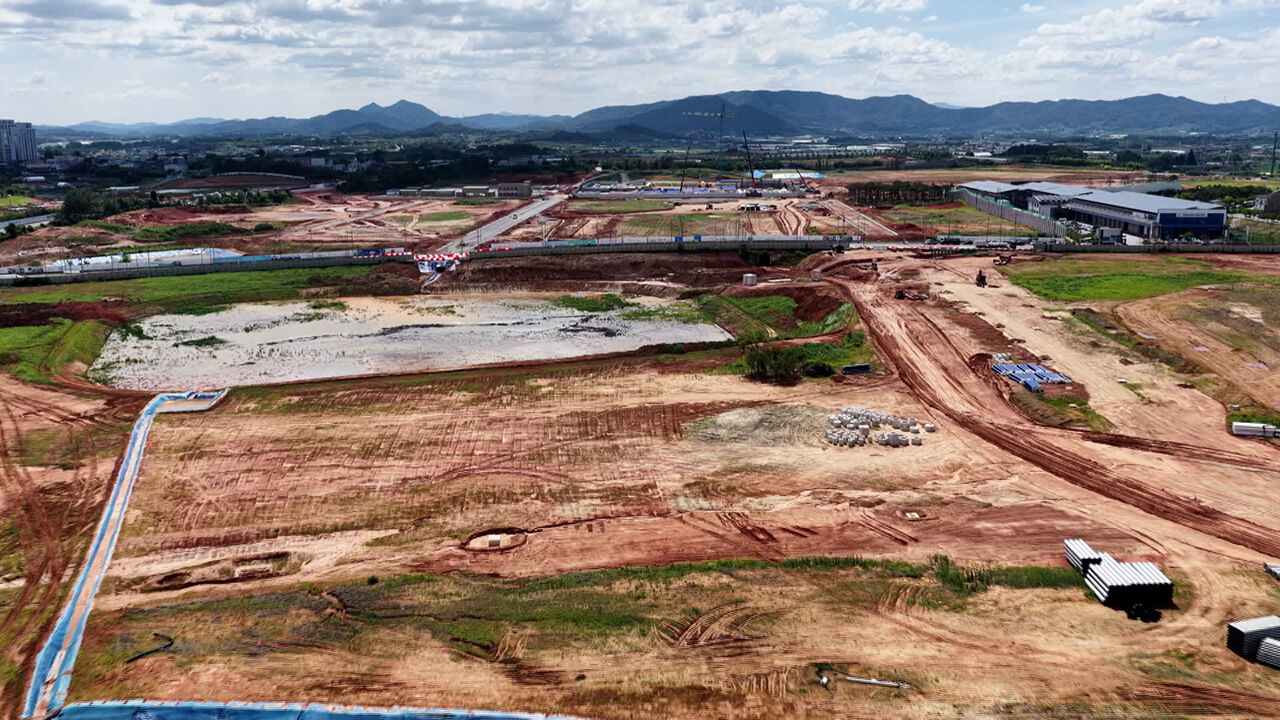
▲ Honam Semiconductor Cluster to be built on the Gwangju military airport site
Moving forward, non-capital regions will be given priority consideration when designating semiconductor clusters, and the central and local governments will cover up to 100% of the costs for establishing and operating the industrial infrastructure required for these clusters.
The Ministry of Trade, Industry and Energy announced that the enactment decree for the Enforcement Decree of the Special Act on Strengthening and Supporting the Competitiveness of the Semiconductor Industry (Semiconductor Special Act), which contains these measures, was approved during a Cabinet meeting today (August 4).
The enforcement decree details the composition and operation of the Special Committee on Strengthening the Competitiveness of the Semiconductor Industry, procedures and support for designating semiconductor clusters, support for nurturing semiconductor industry talent, and the operation and management of a special account for strengthening semiconductor industry competitiveness.
Chaired by the President, the special committee includes cabinet-level officials from related ministries such as the Ministry of Trade, Industry and Energy, the Ministry of Finance and Economy, and the Ministry of Science and ICT, alongside industry-academia-research experts, to deliberate on major policies including basic and execution plans for strengthening semiconductor industry competitiveness.
Regarding cluster designation, priority will be given to regions outside the capital area to contribute to balanced national development and the creation of a semiconductor ecosystem that reflects regional industrial conditions and characteristics.
The government previously considered excluding the capital area from new cluster designation targets, but faced with opposition from the capital region, it replaced it with a clause stipulating that non-capital regions should be given preferential treatment during legislative notice last June.
The approved enforcement decree explicitly states that regions outside the capital area will be given priority consideration.
When applying for cluster designation, applicants are required to submit a development plan including basic goals and development directions, name, location and area, current status of regional semiconductor industries and infrastructure, and matters concerning talent training and research infrastructure establishment.
The national and local governments will be able to cover 50% to 100% of the total project cost for establishing and operating industrial infrastructure needed for the clusters.
In particular, facilities contributing to redundancy, supply chain security, and industrial safety can receive full cost support.
Through this, the government aims to reduce the burden of infrastructure establishment on companies and stably expand the infrastructure necessary for semiconductor production.
The enforcement decree also stipulates that support for employment linkages and retraining of non-capital region semiconductor companies and regional specialized talent can be prioritized, and sets the criteria and procedures for designating specialized training institutions for the semiconductor industry.
In addition, it regulates procedures for establishing basic and execution plans and the scope of compiling semiconductor industry statistics.
The Semiconductor Special Act and its enforcement decree will take effect starting from the 11th.
Minister of Trade, Industry and Energy Kim Jung-kwan stated, "Now that the legal foundation for a national support system for the semiconductor industry has been established, we will cooperate closely with related ministries to promptly pursue major policy tasks under the law."
※ Please note: This article was translated by AI and may contain errors.



 Video News


 Video News
