
 KOR
KOR
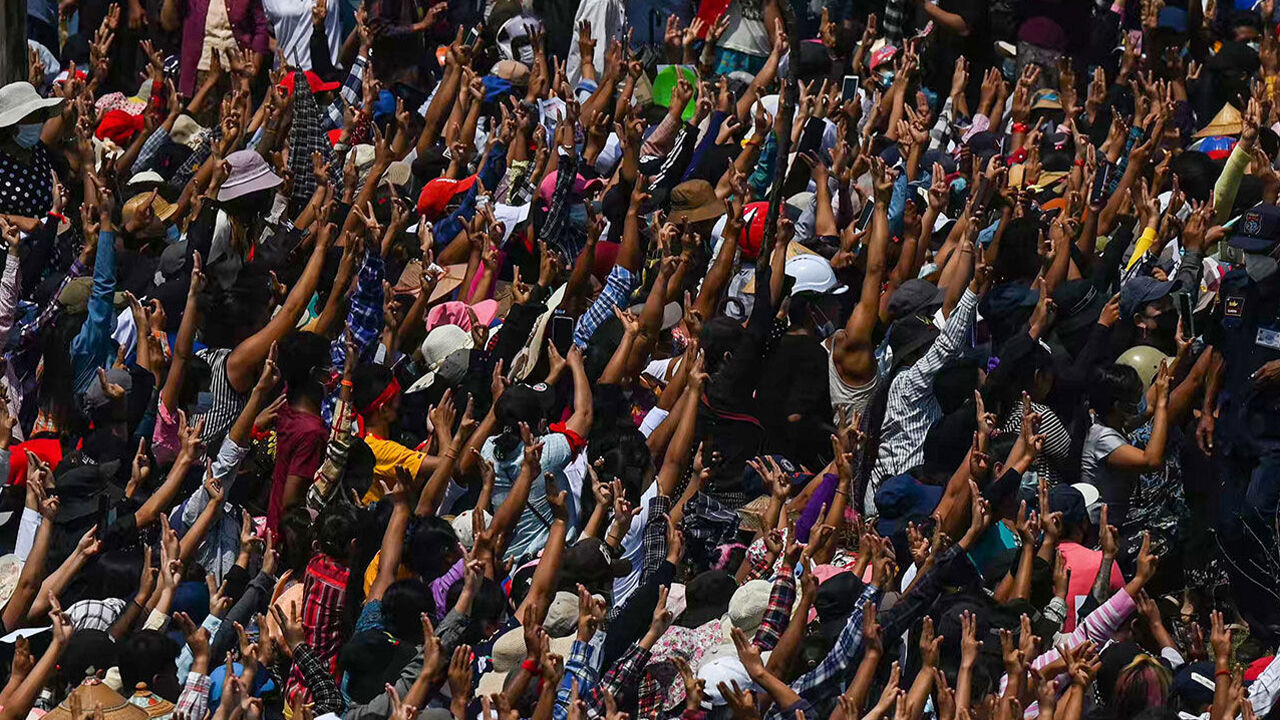
The United Nations Office for the Coordination of Humanitarian Affairs (OCHA) estimates that more than 16 million people in Myanmar are in need of humanitarian assistance, and approximately 3.8 million people are internally displaced. According to the Assistance Association for Political Prisoners (AAPP), as of July 20, the number of people confirmed killed by the military and pro-military forces since the coup is 8,186. A total of 31,539 people have been arrested by the military, with 14,581 of them confirmed to be currently in detention.
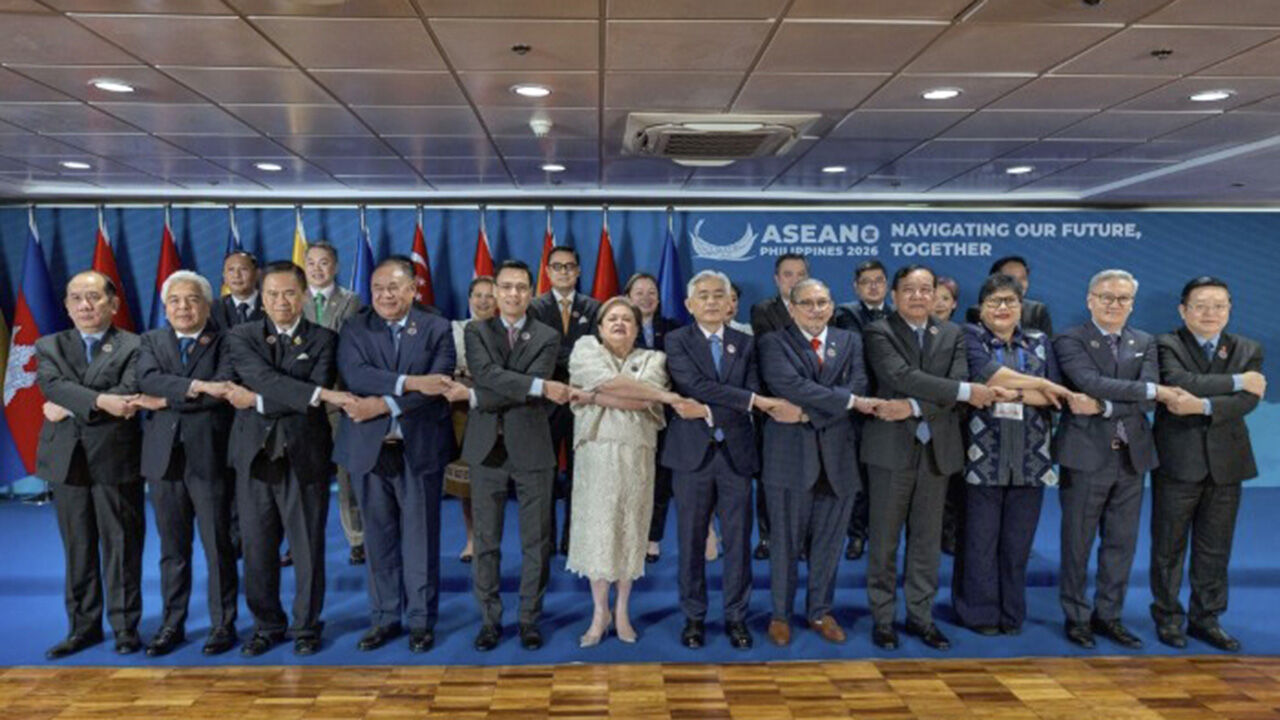
Will ASEAN's new engagement mark the beginning of dialogue that accelerates peace in Myanmar? Or will it become a process that restores legitimacy to a military junta that has made no concessions, such as halting violence or releasing political prisoners?
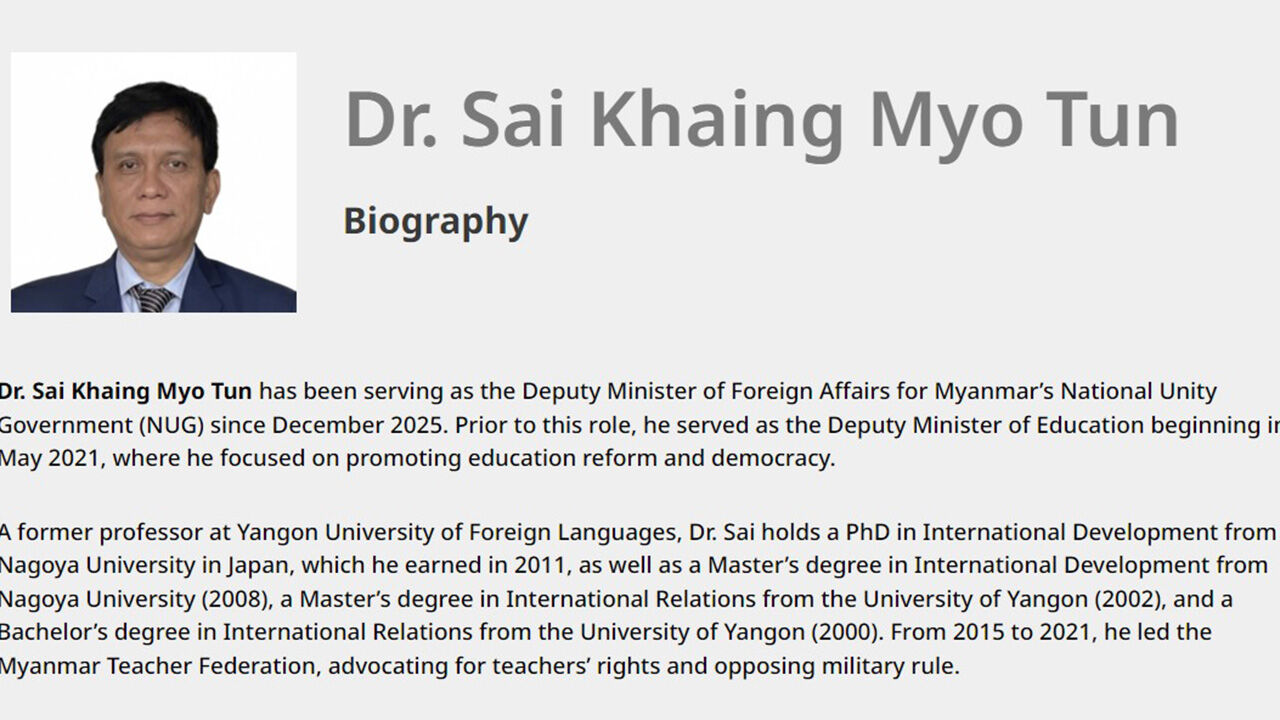
War Continuing for Over Five Years Since Coup... "Fighting Every Day Across the Country"
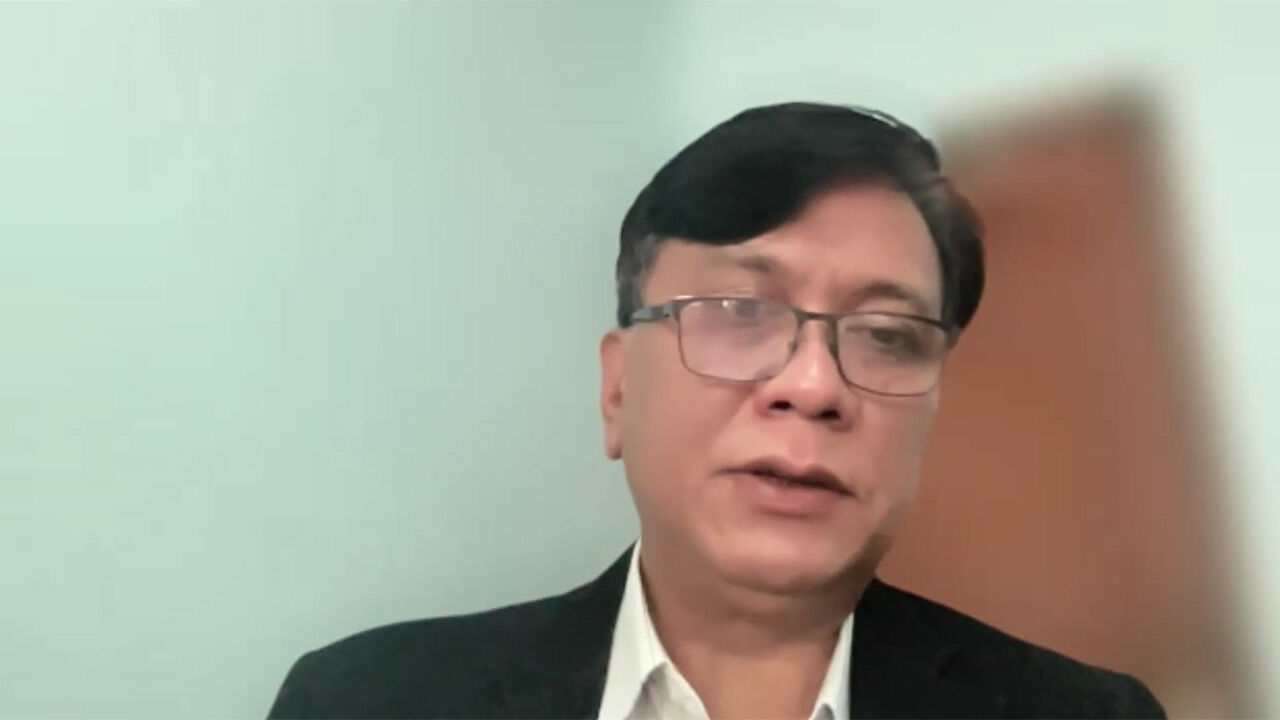
[Sai Khaing Myo Tun, NUG Deputy Foreign Minister: "Currently, fighting is taking place every day across the country. In some cases, the military tries to occupy areas we control, and in other cases, we occupy some areas. You could say the situation is somewhat back and forth."]
He said that civilian casualties continue as the military's airstrikes and ground attacks persist.
[Sai Khaing Myo Tun, NUG Deputy Foreign Minister: "Civilians are suffering greatly from the military's gunfire, torture, and attacks targeting civilian areas. We are doing our best to support the local people, but the military does not care about them."]
Deputy Minister Sai also mentioned that the military is receiving support from some countries. However, he avoided giving a specific answer, stating that he did not wish to publicly disclose which countries they are. When asked about the roles China and Russia play in maintaining the military's power, he expressed a principled stance, saying that neighboring countries must accurately understand the actual situation in Myanmar and help build sustainable peace.
[Sai Khaing Myo Tun, NUG Deputy Foreign Minister: "The people of Myanmar hope that neighboring countries will help uphold the principles of peaceful coexistence. We also respect the sovereignty of all nations and expect the same respect in return. If Myanmar falls into a difficult situation, it will also negatively affect neighboring countries."]
Military's Claim of 'Transition to Civilian Rule'... "Solidifying the Military's Role in Civilian Politics"
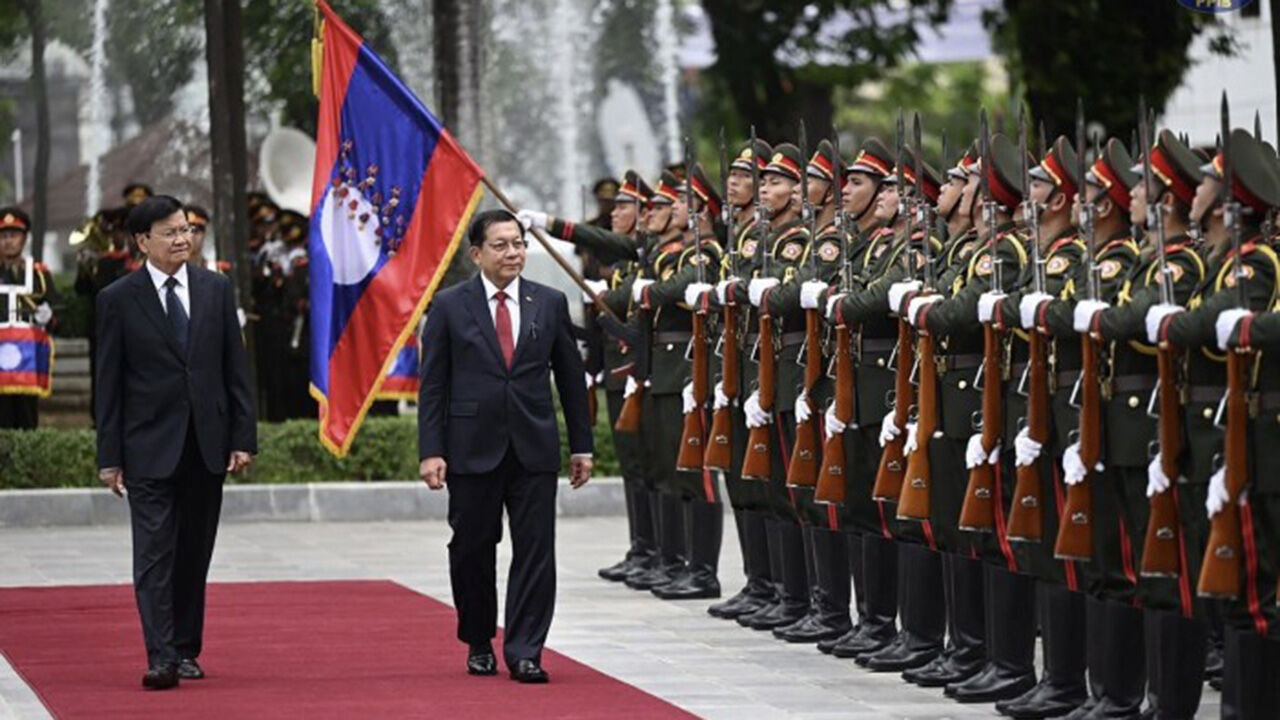
Although the military advertises this as a 'transition from military rule to a civilian government', criticism continues in the international community that it is an attempt to repackage military rule in the form of a civilian government. The cabinet of the new government is also mostly comprised of former military officers or pro-military figures. Deputy Minister Sai argued that the military is not pursuing a genuine transition to civilian rule, but is instead trying to entrench its dominance in civilian politics.
[Sai Khaing Myo Tun, NUG Deputy Foreign Minister: "What the military is doing now is solidifying their role in civilian politics. They are not making concessions for the welfare or development of the people and the country."]
He emphasized that the military has repeatedly used violence and oppression against forces that do not follow their policies, and that the international community must not take the military's claims and promises at face value.
[Sai Khaing Myo Tun, NUG Deputy Foreign Minister: "If others do not follow their policies, the military uses force. They use force to suppress activities on the ground. They do not know democracy, they do not know human rights, and they do not know federalism."]
In Myanmar, ethnic minorities have demanded autonomy, equal rights, and the preservation of their cultural identity for over 70 years. However, Deputy Minister Sai explained that while the military claims to be the force defending national unity, it has failed to practically guarantee the rights of ethnic minorities.
[Sai Khaing Myo Tun, NUG Deputy Foreign Minister: "Ethnic minorities have demanded autonomy, equal rights, and the right to preserve their culture for over 70 years, but they have not received them. Even the 2008 Constitution failed to guarantee the right of ethnic minorities to have their own identity."]
First Face-to-Face Contact Between Foreign Ministers Since Coup... NUG Excluded from the Consultation
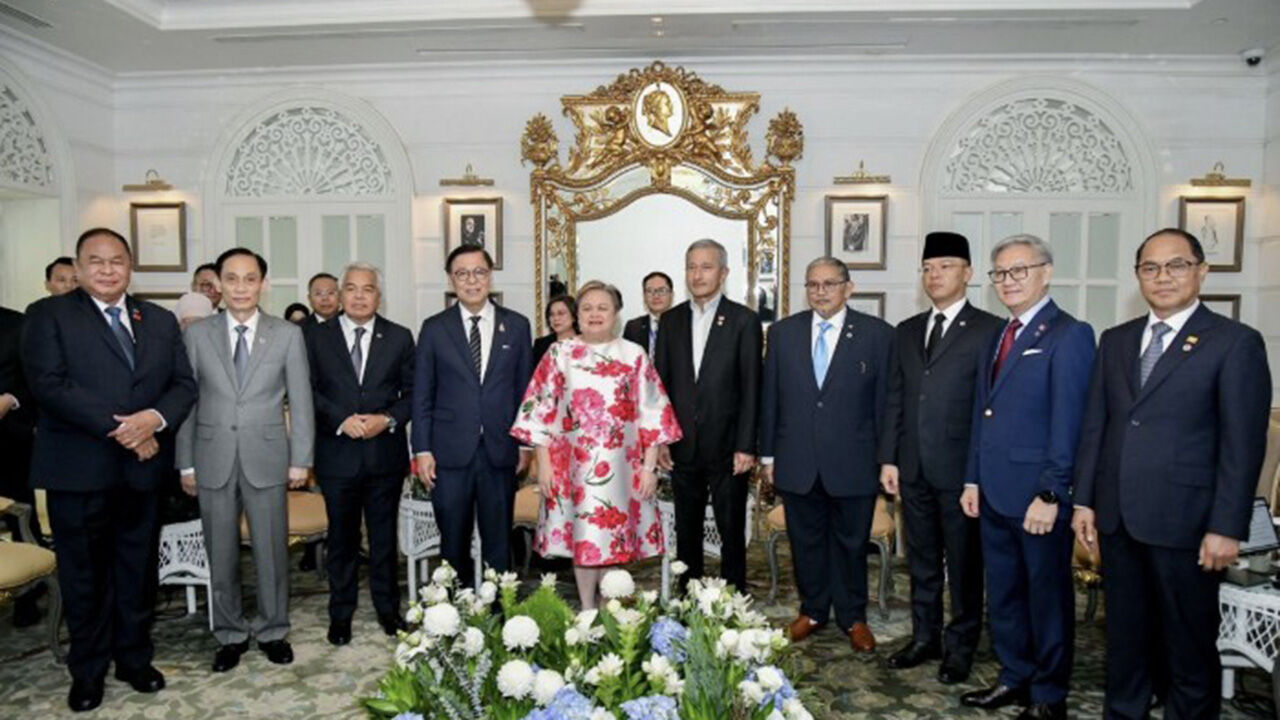
[Sai Khaing Myo Tun, NUG Deputy Foreign Minister: "We do not know the reason why we were not invited to the meeting on July 13. No one has officially told us or confirmed why we were not invited."]
He claimed that the military has historically used a so-called 'divide and rule' strategy, contacting opposing forces individually to weaken the solidarity between the democratic camp and ethnic minority groups.
[Sai Khaing Myo Tun, NUG Deputy Foreign Minister: "In the past, the military used a divide-and-rule strategy, inviting certain individuals to divide the solidarity of other stakeholders. We will not fall into that trap."]
However, the Philippines, which holds the ASEAN chairmanship, maintains the position that the ASEAN special envoy is contacting various stakeholders in Myanmar, including the NUG, separately from specific consultations. Philippine Foreign Undersecretary Maria Theresa Lazaro, the ASEAN special envoy, stated that she will continue engagement with all stakeholders, including the NUG and ethnic armed groups, and will report the outcomes of the relevant consultations to the ASEAN Foreign Ministers' Meeting in Manila.
"Military Must Not Be Invited Without Progress on the 'Five-Point Consensus'"
[Sai Khaing Myo Tun, NUG Deputy Foreign Minister: "I believe the military should not be invited when no improvement has been confirmed in the implementation of the 'Five-Point Consensus'. A foundation must be laid for the de-escalation of violence, humanitarian assistance, and inclusive and constructive dialogue."]
Deputy Minister Sai said that the release of political prisoners and a cessation of violence must precede the return of the military leadership to high-level meetings, such as ASEAN summits and foreign ministers' meetings. He particularly criticized the military for talking about reconciliation and peace while failing to present a concrete stance on the practical implementation of the ASEAN 'Five-Point Consensus' or the conditions for political dialogue.
[Sai Khaing Myo Tun, NUG Deputy Foreign Minister: "The military is using the exact same old methods that past military rulers have used. They present conditions to justify their rule and talk about reconciliation and peace. However, they say nothing about the conditions that must be met before the implementation of the 'Five-Point Consensus' or political dialogue."]
The NUG also worries that the military's so-called '100-Day Peace Initiative' may not be a genuine inclusive dialogue, but rather a means to gain international recognition for the military's own peace process.
[Sai Khaing Myo Tun, NUG Deputy Foreign Minister: "They are targeting civilians and bombing them every day. ASEAN must not fall into the trap set by the military. The voices of the democratic forces must be translated into ASEAN's policies."]
To Negotiate Directly with the Military... "Condition of Not Returning to Military Rule is Required"

[Sai Khaing Myo Tun, NUG Deputy Foreign Minister: "A condition of not returning to military rule is required. We must discuss with our colleagues how this country will transition into a federal democratic union. (Omitted) There are also other factors we need to consider. We must have one policy, one strategy, and a collective voice."]
Aung San Suu Kyi Blocked from External Contact... "Unable to Confirm Location or Health"
[Sai Khaing Myo Tun, NUG Deputy Foreign Minister: "We do not know anything about her. We have tried hard, but we do not even know where she is. It is a very difficult situation."]
When asked if they could confirm whether State Counsellor Aung San Suu Kyi is alive, he replied that the NUG cannot confirm it. He also said he had not heard of any claims that the military had allowed her to contact foreign government officials.
[Sai Khaing Myo Tun, NUG Deputy Foreign Minister: "Except for the military, we have not heard of her contacting anyone from the outside. We do not even know how they are treating her."]
To the South Korean Government: "Do Not Legitimize the Military, Expand Engagement with Democratic Forces"
[Sai Khaing Myo Tun, NUG Deputy Foreign Minister: "I would like to ask the South Korean government and its people to continue supporting our country's efforts for democracy. I am very pleased that successive South Korean governments and their people have stood with Myanmar's democratization movement."]
[Sai Khaing Myo Tun, NUG Deputy Foreign Minister: "We request that the South Korean government engage more with democratic forces. It is important not to legitimize the military."]
Deputy Minister Sai also appealed for South Korea's support in the fields of education and healthcare, alongside humanitarian assistance.
[Sai Khaing Myo Tun, NUG Deputy Foreign Minister: "If possible, we would like to receive South Korea's support in humanitarian issues, education, and healthcare. This is because there are so many people who need help from the international community."]
Dialogue for Peace, or Normalization of the Military?
However, the issue raised by the NUG is not the dialogue itself. The problem lies in the sequence and method of resuming high-level contacts with the military without tangible steps toward de-escalating violence, releasing political prisoners, and engaging in inclusive political dialogue. Simply avoiding meetings with the military cannot end the war in Myanmar. However, a dialogue that fails to sufficiently include the voices of the democratic camp, ethnic minorities, and citizens who are the direct victims of violence is also unlikely to lead to sustainable peace. Whether ASEAN will utilize contact with the military as a means of pressure for peace, or open a pathway for the military to secure international legitimacy, is a question that the Manila meeting must answer.
※ Please note: This article was translated by AI and may contain errors.


 Video News
 Video News
 Video News
 Video News
 Video News