
 KOR
KOR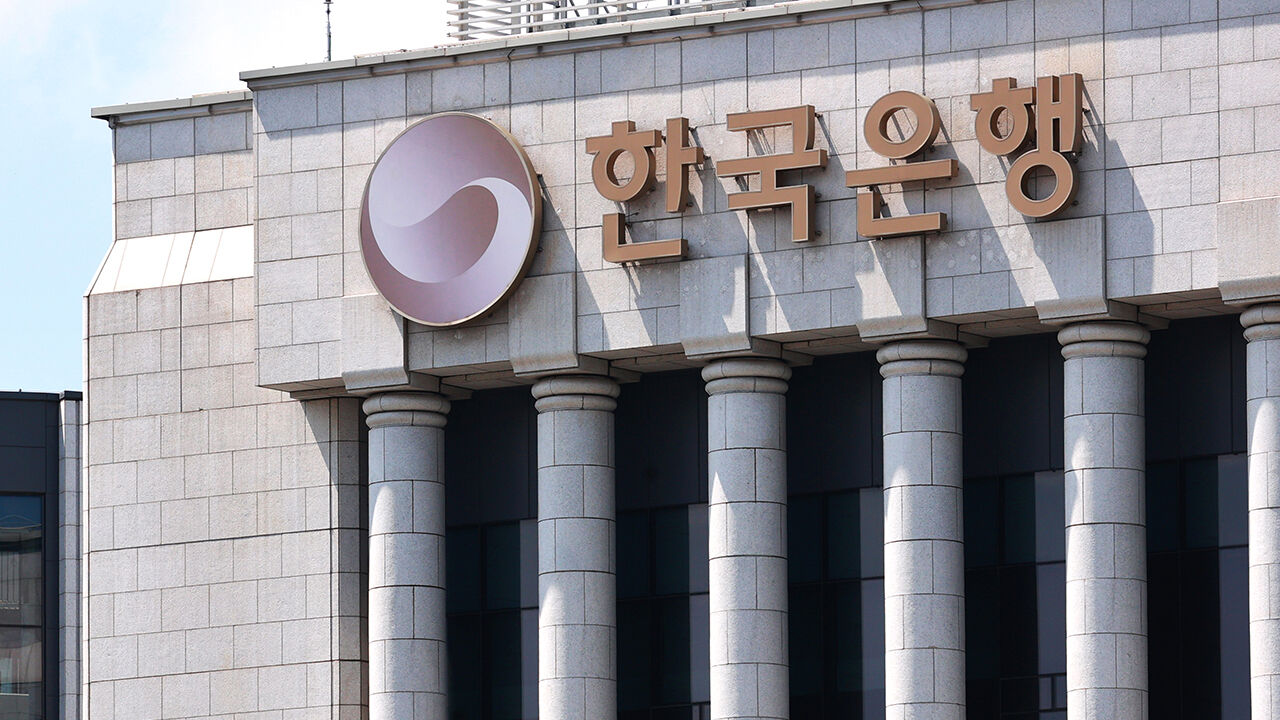
▲ Bank of Korea
Banks are expected to further tighten their lending standards for household loans in the third quarter of this year.
While demand for debt-financed investing is projected to continue growing, demand for housing-related loans is expected to decline due to factors such as rising interest rates.
According to the Survey on Financial Institution Lending Practices released by the Bank of Korea (BOK) today (July 20), the comprehensive index for banks' lending attitude in the third quarter of this year was recorded at -7.
This represents a wider negative margin compared to -1 in the first quarter and -2 in the second quarter of this year.
In this survey, a negative sign (-) indicates a tightening of lending attitudes, a decrease in credit risk, or a decrease in loan demand compared to the previous quarter, while a positive sign (+) indicates the opposite.
By loan category, household mortgage loans stood at -14, and general household loans, such as credit loans, stood at -11, both showing a trend toward tighter lending standards.
A BOK official explained, "Lending standards for both housing-related loans and general loans are expected to tighten as banks continue their stance on managing household debt."
Lending attitudes toward large corporations (0) and small and medium-sized enterprises (0) are expected to remain at the same level as the previous quarter.
The comprehensive index for loan demand in the third quarter was 17, lower than the 24 recorded in the second quarter.
Among household loan demand, general loans are expected to increase to 14 due to demand for living expenses and stock market investments, while housing-related loans are expected to decrease to -6 due to stricter regulations and rising interest rates.
Corporate loan demand is projected to increase for both large corporations (6) and small and medium-sized enterprises (25) due to the need to secure liquidity amid internal and external uncertainties and rising corporate bond yields.
The comprehensive credit risk index for the fourth quarter, as projected by banks, was 22, down from 29 in the second quarter.
As business uncertainty persists due to factors such as the prolonged war in the Middle East, the credit risk for small and medium-sized enterprises (25) is expected to increase more significantly than that for large corporations (8).
For households (19), credit risk is expected to rise due to concerns over the declining debt repayment capacity of vulnerable borrowers.
Non-bank financial institutions, such as savings banks, are generally expected to maintain their stance of tightening lending standards, with credit risk projected to remain at a high level.
This survey was conducted from June 4 to June 17 through electronic questionnaires, mail, and interviews with heads of lending departments at 203 financial institutions.
(Photo: Yonhap News)
※ Please note: This article was translated by AI and may contain errors.


 Video News
 Video News
 Video News
 Video News
 Video News