
 KOR
KOR
Kim said, "This proposition, which is being discussed while excluding crime victims who are the core parties, cannot be divided into true or false in the first place." The debate over supplementary investigative powers has so far been treated, under the leadership of the Democratic Party, as a matter of to what extent the authority of the prosecution—specifically, prosecutors—should be stripped. However, Kim appealed that the issue is about who, whether the prosecution or the police, will look into the case again when a victim feels wronged.
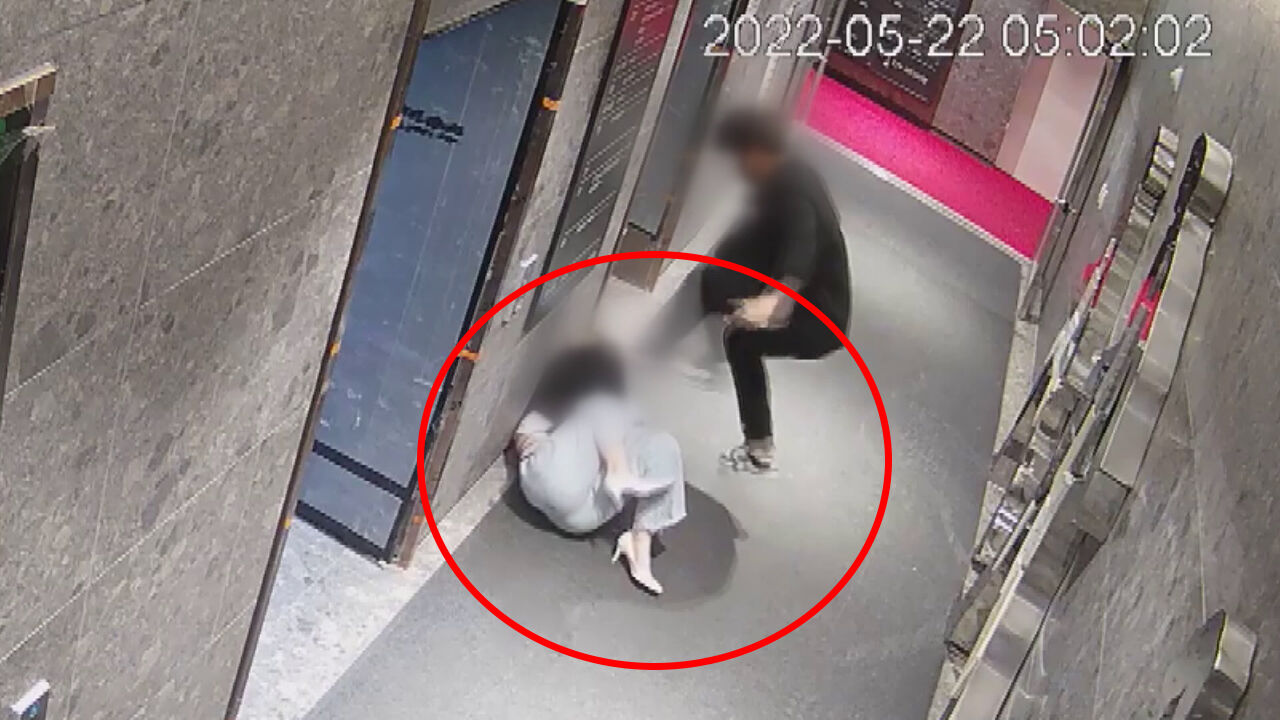
Busan Roundhouse Kick Case: This is an incident that occurred in May 2022 in the common entrance of an officetel in Seomyeon, Busan. A man followed a woman who was returning home, struck her in the head, and dragged the unconscious victim into a CCTV blind spot. The case, which initially began as assault and battery, was treated as a case of inflicting severe bodily injury after the victim submitted a disability diagnosis during the police investigation stage. In the first trial, the perpetrator was sentenced to 12 years in prison on charges of attempted murder. However, the victim had raised the possibility of a sex crime from the very beginning. The problem was that her claim was not sufficiently reflected during the initial investigation stage. The true nature of the case changed during the appeal process. The prosecution re-examined the evidence, including the victim's clothes—particularly her jeans—and additionally verified DNA and the circumstances at the time of the incident. As a result, the motive of a sex crime emerged as a key issue, and the charge was changed to attempted rape-murder. The appellate court sentenced him to 20 years in prison, and the Supreme Court finalized the ruling.
"The Jeans That Were the Same Evidence"... Appealing for the Necessity of Victim Protection Measures

"Everyone makes mistakes. The police, the prosecution, and the courts all make mistakes. That is why, rather than recklessly abolishing institutions, we need a system of checks and balances to prevent arbitrary decisions."
"If the Victim Feels Wronged, Go Public?" The Irresponsibility of the Political Sphere
"If political investigations are the problem, it is enough to create related legislation, but abolishing a national institution does not make sense from a common-sense perspective. There is no statement more irresponsible than telling a victim or a prosecutor to go public if they feel wronged."
To compensate for this situation, the Democratic Party's Criminal Procedure Act Revision Task Force proposed a plan to "require the police to implement the prosecution's request for supplementary investigation without delay, and to demand the exclusion from duties, disciplinary action, and replacement of police officers who do not comply without a valid reason." However, Kim asserts that relying on the goodwill of the police, who are already struggling to handle cases, to conduct supplementary investigations on their own will not help crime victims.
"Because we are human, it is difficult to think that we are wrong. It is the same if we are from the same family. That is why other people and other institutions are needed. Once, when I went to report a secondary perpetrator, a police officer asked me, 'Could you please not report something like this?' I felt embarrassed, but I also felt sorry for that public servant. I saw firsthand that they were already so exhausted, and their eyes were filled with the mindset of 'let's just not create anything to take responsibility for.'"
Kim worried that if the Criminal Procedure Act is revised in its current form, private sanctions could become more appealing.
"I can watch that horrific CCTV footage a thousand or ten thousand times. However, I still cannot properly watch the video of the cameras where I had to reveal myself as a crime victim in front of the judge and dozens of cameras in court. That video still leaves me with PTSD (Post-Traumatic Stress Disorder). But is there any need for a judicial institution to exist if it requires such effort from the victim? If so, there is no reason for investigative agencies to exist either. There is no reason for judicial institutions to exist. It would be much simpler for everyone to resort to private sanctions."
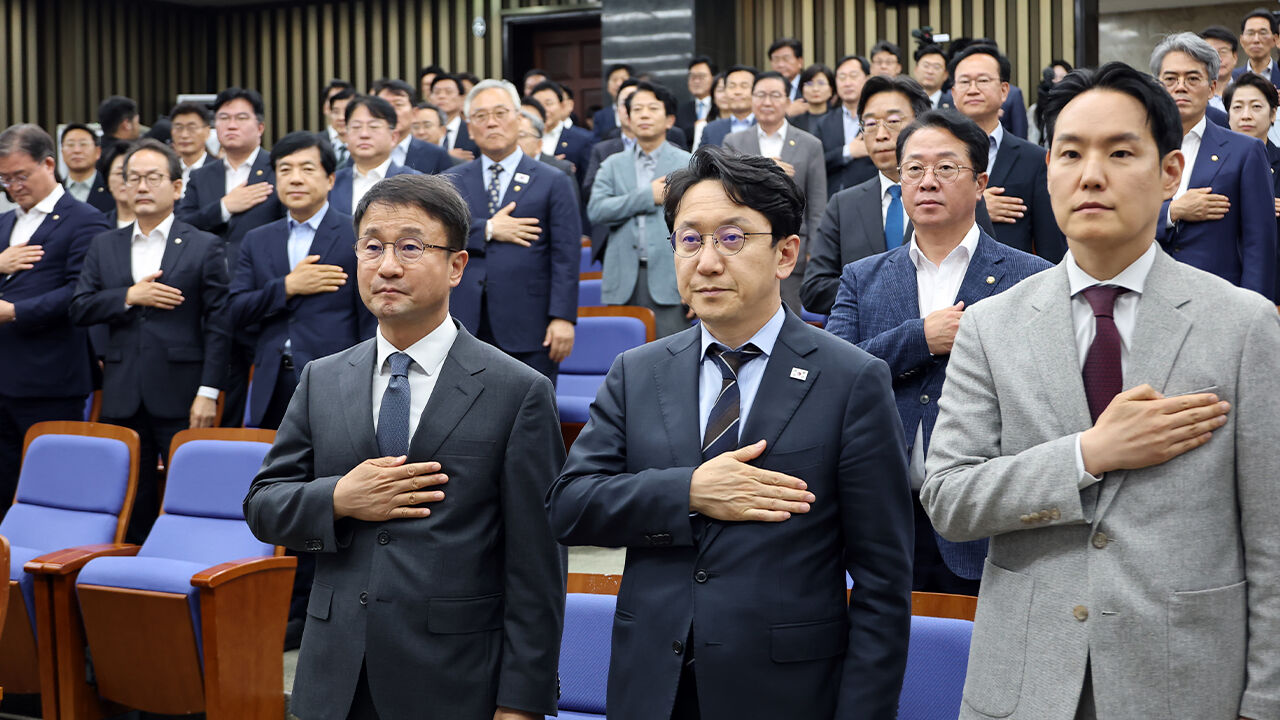
Hardliners Unmoved Despite Calls for Caution on Abolishing Supplementary Investigative Powers
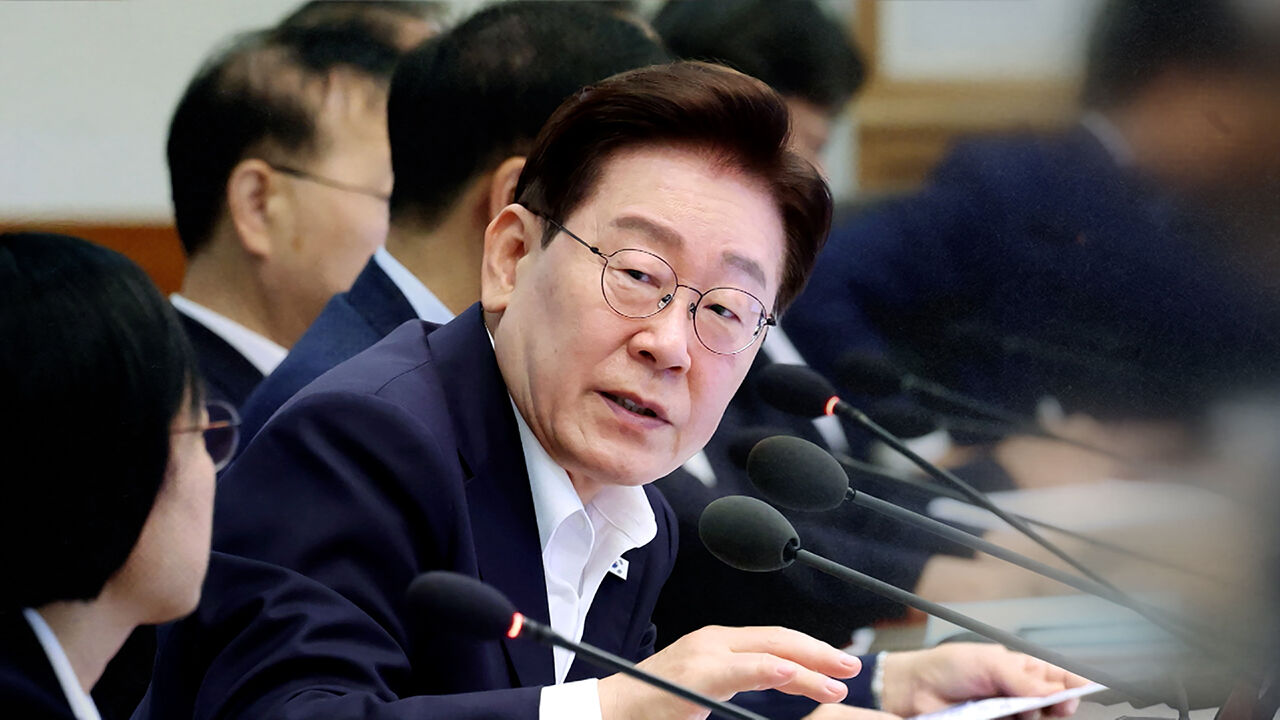
President Lee Jae-myung, who had previously suggested reviewing whether to leave very exceptional cases, also said at a Cabinet meeting, "Will things go well just because we raise our voices, speak strongly, and point fingers? It might feel good, but it is difficult to get a good result. The moment you inject a needle, if you tense up out of fear, the syringe breaks. You have to inject it gently. Reform is similar." His remarks were interpreted as emphasizing deliberate discussion at the National Assembly level.
Kim Jin-ju said as she concluded her testimony:
"I am someone who has nothing to gain or lose from prosecution reform. I have no money, no connections, and no power. If you are someone like me, this is a situation you must pay attention to. I hope we do not live in an era where we give up and accept that this is a world where perpetrators live well."
It sounded like a call to look back at where the debate on supplementary investigative powers should begin. Before asking "How should we divide the power of state organs?", we must ask "How can we better protect citizens from crime?" The political sphere must take its time to provide a thoughtful answer to Kim's testimony, which reminds us that reform that cannot answer this question is not true reform.
※ Please note: This article was translated by AI and may contain errors.





 Video News
 Video News