
 KOR
KOR
I suddenly became curious. How are the drug offenders, numbering around 20,000 a year, living after paying for their crimes? What path to recovery is our society offering to those who have already touched drugs, which the state defines as a "maze with no exit"? This coverage began with these questions.
Three years ago, A, a fashion designer in their 30s, tried synthetic drugs at a club in Seoul. Out of curiosity, after seeing people hanging out in a different atmosphere from those who were drunk, A swallowed a pill—which turned out to be ecstasy, often referred to as a "club drug." The price of curiosity was high. Returning to society after an investigation, a trial, and 10 months of detention, A described their drug experience as a "regret that will never be erased for the rest of my life" throughout the interview.
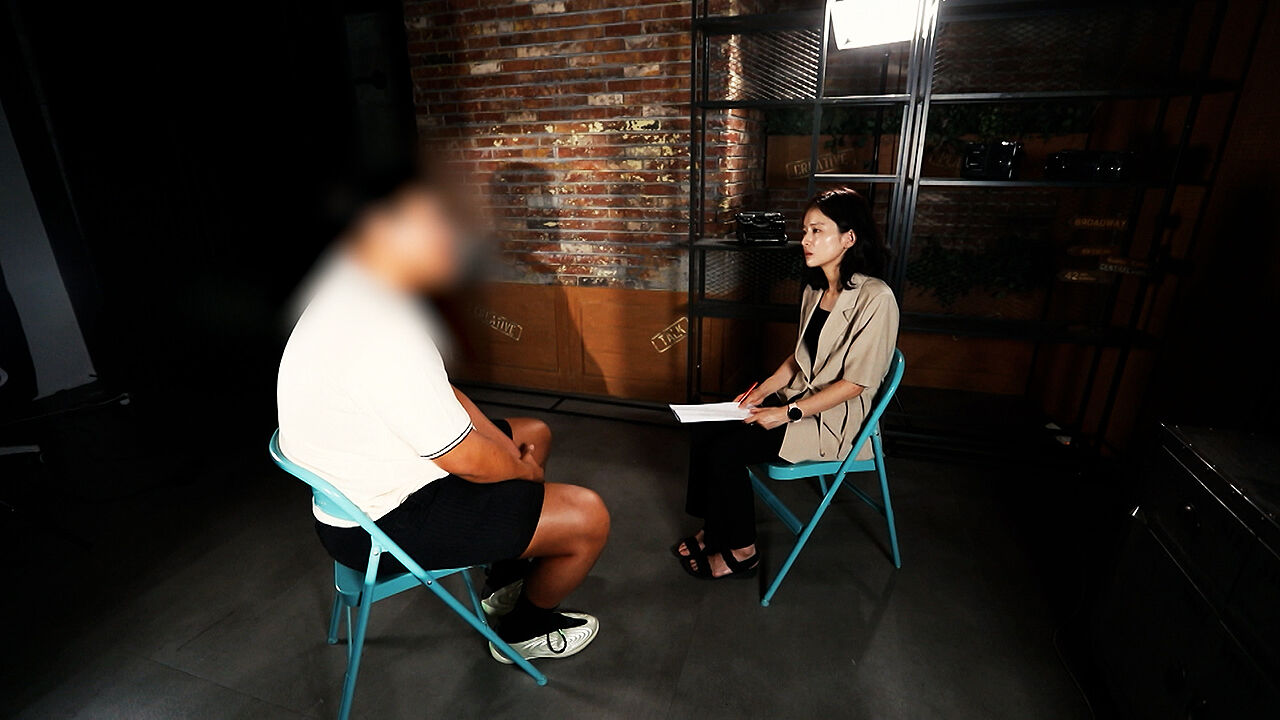
A / Former drug user
"Although it's a punishment I'm receiving because of my own wrongdoing, I really couldn't handle it mentally. My family had an even harder time than I did. Seeing my parents worry about their child committing the crime of drug use, going through such a difficult process, and being pointed at when returning to society, I made up my mind never to do it again."
But, A's life in the detention center was different from what they expected. Although drug offenders are housed separately from general criminal offenders, the reality of the "drug cell"—where repeat offenders and first-time offenders, as well as dealers and users, are mixed together—was closer to a space where the temptation to use drugs grew stronger, rather than one that strengthened the resolve to quit.
A / Former drug user
"It was a bit of a shock to me. They came in after committing crimes, but I couldn't see any signs of remorse... Instead, they casually talked about and shared heroic tales of their drug use. I often heard conversations like, 'I know someone outside, I'll introduce you to them.'"
Experts point out that the current correctional approach, which views drug offenders merely as subjects of punishment, is actually producing the side effect of increasing recidivism rates. For simple users, "treatment" and "rehabilitation" should take priority over isolation, but the reality is different. The treatment custody system is virtually defunct, and rehabilitation after release is difficult even if one has "money and resolve." This is because a shortage of medical staff specializing in addiction, a lack of hospital beds, and a shortage of rehabilitation centers are all intertwined.
Ahn Jun-hyung / Lawyer specializing in drug cases
"I understand the target of the war on drugs being sellers or producers, but it has turned into a situation where we are waging war against the users. People who use drugs are also patients with dependency who receive medical disease codes, but because the state keeps fighting them, it seems the public also ends up criticizing the users when they see the news.
Even if they have the will to quit and the money, they have nowhere to go. Ultimately, they have no choice but to be admitted to a psychiatric hospital, but the treatment methods for psychiatric patients and those who need drug rehabilitation are completely different. The reality is that they have to wait more than a year just to be admitted to even those hospitals."
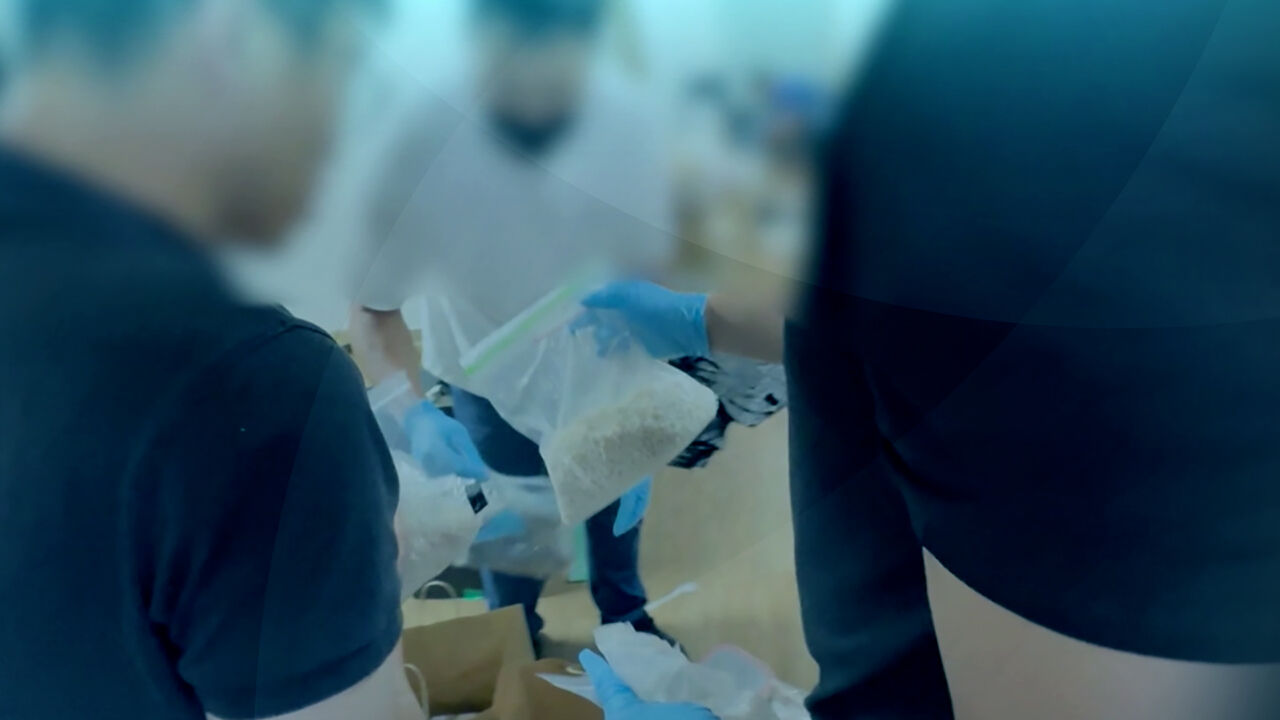
Average Recidivism Rate for Drug Offenders at 45.6% Over the Past 5 Years... A Broken Bridge to Recovery
Experts unanimously agree that the paradigm of drug response must change. They argue that shifting from crackdown-oriented "judicial punishment" to treatment- and rehabilitation-centered "reintegration into society" is the only way to drastically lower the rising recidivism rate. Above all, considering the reality that the age of first drug contact is dropping to the teens and the proportion of drug crimes among adolescents and young adults is rising, the argument that we need to focus more on "treatment and correction" rather than "stigma" is gaining traction.
Why a Korean-Style Drug Court Is Needed
Discussions on introducing a Korean-style drug court have also taken their first steps. The core is the legislation of "treatment-conditional judicial processing." Instead of simply handing down punishments, it is a structure where a judge teams up with treatment experts to continuously monitor the addict's rehabilitation process. Although a treatment-conditional suspension of indictment system already exists, it has often been evaluated as lacking sufficient means to enforce compliance with treatment. For this reason, many believe that if a drug court is established in Korea where judges track the treatment process, similar to the U.S., it could increase addicts' motivation for treatment and their chances of recovery.
Are Drugs a 'Maze with No Exit?' The Path to Treatment and Recovery
During this coverage, we met people who had once hit rock bottom due to drug addiction. It was inspiring to see those who had gone through times difficult to describe in a single word now holding the hands of others struggling in the same pain. Having walked through deeper despair than anyone else, they knew all too well how difficult—and how necessary—it is to help someone stand back up.
Thorough crackdowns to block the entrance to the maze of "drug addiction" are necessary. However, opening an exit so that those already trapped inside can walk back out is also the responsibility of our society. Drugs are increasingly seeping into daily life. "Just as falling into addiction has become easier, opportunities for treatment and recovery must also become more abundant," was the common voice of the people we met during this coverage. Shouldn't the "recovery" of addicts be a pillar that we must never lose sight of in the "war on drugs"?
※ Please note: This article was translated by AI and may contain errors.


 Video News
 Video News
 Video News
 Video News
