
 KOR
KOR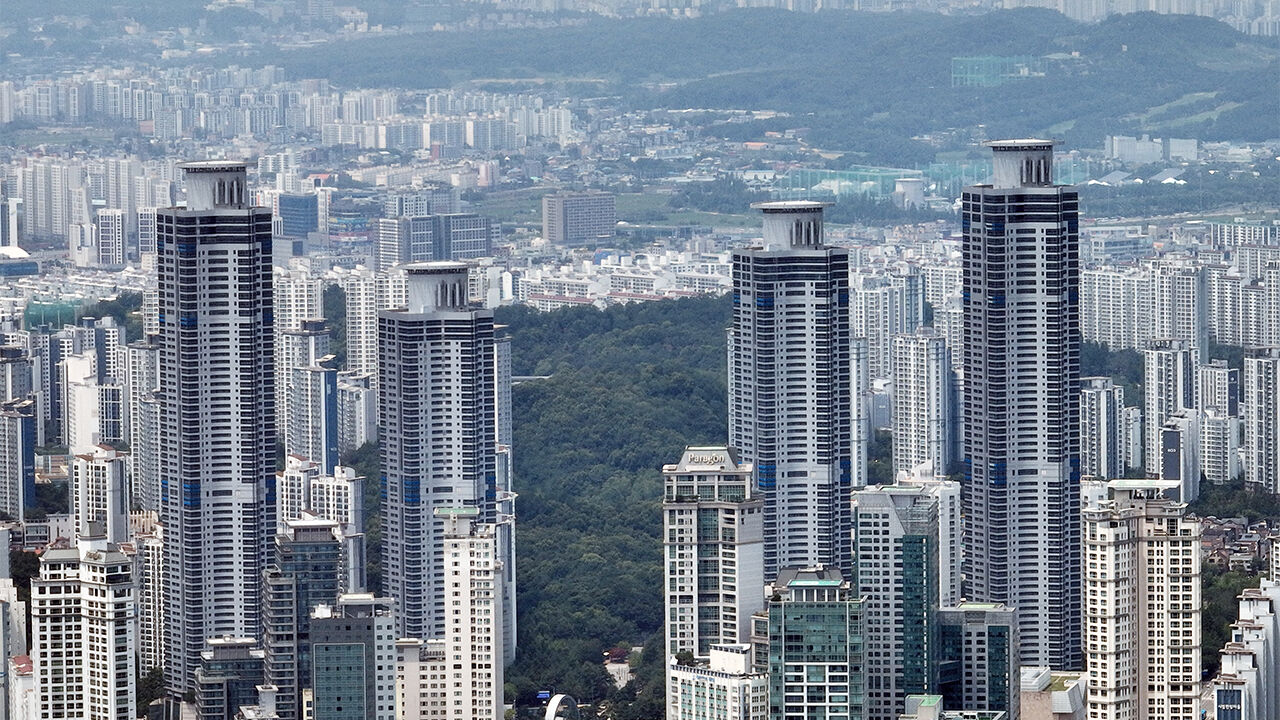
▲ Apartment complex in Dongtan
Despite the designation of Dongtan-gu in Hwaseong, Guri, and Giheung-gu in Yongin as regulated areas, apartment prices in Guri and Giheung have shown an even greater increase.
According to the Korea Real Estate Board on July 8, apartment prices in Guri rose by 0.64 percent in the first week of July compared to the previous week, based on data as of July 6.
This growth rate is more than double the 0.30 percent increase recorded in the survey conducted just before the areas were designated as regulated zones.
Apartment prices in Giheung-gu, Yongin, also rose by 0.56 percent in this week's survey, significantly exceeding the 0.39 percent increase from the previous week.
In Dongtan-gu, Hwaseong, the growth rate was 1.29 percent, which is a slight slowdown from the previous week's 1.46 percent, but it still maintains a high growth rate of over 1 percent.
Market experts believe that although these three areas were designated as adjustment target areas and speculative zones starting July 1, the effect of the land transaction permit zone did not take effect until July 5, leading to a surge in prices due to increased last-minute gap investment demand.
The balloon effect in non-regulated areas also continued.
In Namyangju, the growth rate increased from 0.16 percent in the previous week's survey to 0.21 percent this week, and in Gwonseon-gu, Suwon, it rose from 0.25 percent to 0.26 percent.
Price increases in existing regulated areas also persisted.
Gwangmyeong saw its growth rate rise from 0.38 percent last week to 0.44 percent this week, while Bundang-gu in Seongnam saw an increase from 0.41 percent to 0.48 percent.
Gwacheon stopped its five-week streak of declines and shifted to a flat trend.
Apartment prices in Seoul saw their growth rate expand from 0.27 percent last week to 0.30 percent this week.
Seongbuk (0.51 percent), Guro (0.50 percent), Jungnang (0.39 percent), Gwangjin (0.38 percent), and Nowon, Songpa, and Gangdong (0.34 percent) saw higher increases than the previous week.
As for jeonse (long-term deposit rental) prices, Seoul saw a slight increase in its growth rate to 0.31 percent from 0.30 percent the previous week.
The Korea Real Estate Board explained that higher-priced contracts were signed as jeonse demand continued, particularly for properties near subway stations, in school districts, and in large-scale complexes.
Nationwide jeonse prices rose by 0.12 percent this week, compared to 0.11 percent the previous week.
(Photo: Yonhap News)
※ Please note: This article was translated by AI and may contain errors.


 Video News
 Video News


