
 KOR
KOR
The Deep-Rooted History of 'Conflict of Interest' Among U.S. Presidents
Trump Sparks a New Dimension of 'Conflict of Interest' Controversy
Naturally, American society was thrown into an uproar. Democrats, including Senator Adam Schiff, attacked, saying, "The President caused the stock market to crash with a single word, swept up stocks at the bottom, and then pocketed massive profits the next day by changing his stance." They poured out harsh criticism, calling it market manipulation (Distorted) and a complete bankruptcy of public ethics. In particular, they demanded an official explanation from the White House and a hearing, claiming that violating the 45-day disclosure requirement and revealing it a year later was evidence of an attempt to cover up criminal acts. In response, President Trump's side hit back, calling it a "witch hunt." His second son, ERIC Trump, drew a line on social media, saying, "The Trump family and family companies do not select, direct, approve, or exert influence over specific investment items." He stated, "We have no prior knowledge of the transactions, and an independent third-party asset management firm makes the investment decisions". White House spokesperson Anna Kelly also emphasized, "The Trump family has never engaged in, and will never engage in, any conflict of interest activities," adding, "All policy decisions of the administration are for the benefit of the American people". The Republican Party is also launching a counteroffensive, bringing up past stock trading allegations of other politicians, such as former Democratic House Speaker Nancy Pelosi, and asking, "Why apply a double standard only to Trump?"
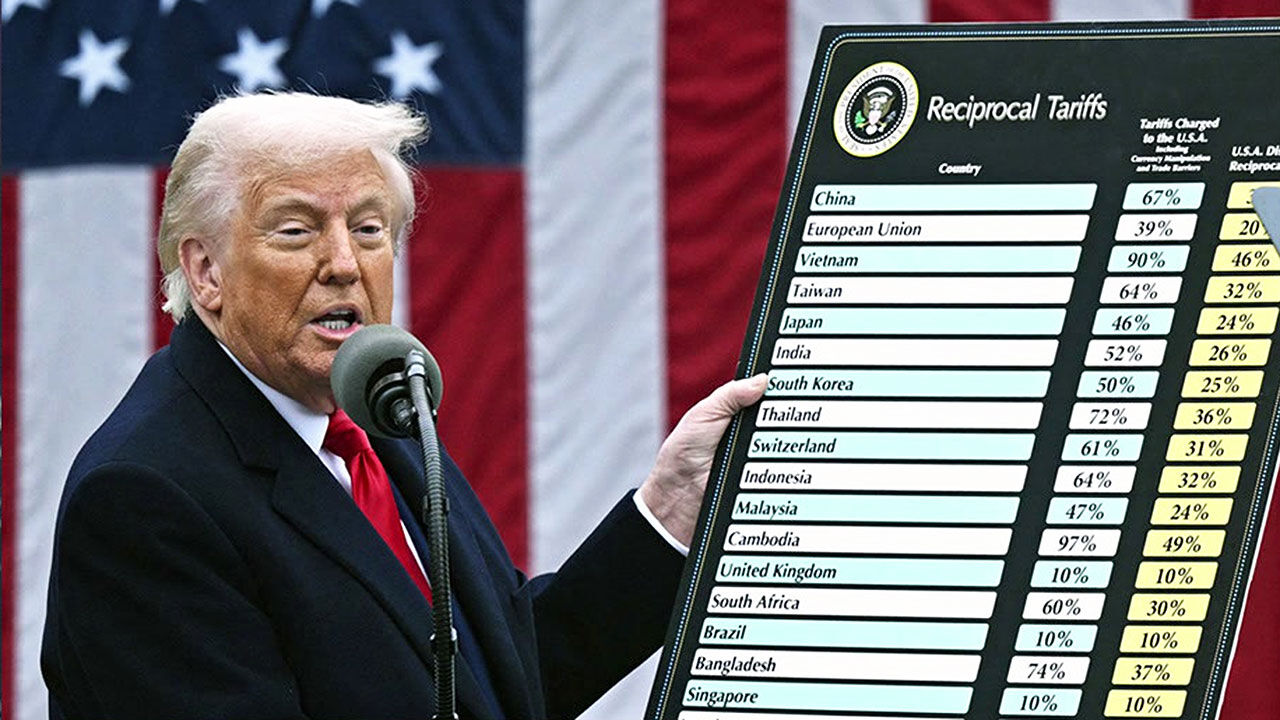
Controversy Already Expected by Avoiding 'Blind Trust'
He took advantage of the fact that setting up a blind trust under the Ethics in Government Act of 1978 is not a mandatory provision. The law merely stipulates that "if a high-ranking public official establishes a blind trust to avoid conflicts of interest, it must meet strict standards certified by the Office of Government Ethics to be recognized as legally effective." President Trump has never approached the Office of Government Ethics to request, "Please certify my assets as a legal blind trust." Since enrollment is not a legal obligation, he chose not to use the system at all. Instead, he privately created a general trust and handed over management rights to his children. Naturally, because this does not meet the standards of the Office of Government Ethics, it is not a legally "qualified blind trust." The Office of Government Ethics also officially announced at the time that "Trump's measures are far from a legal blind trust." If he had established a legally compliant blind trust, the current controversy would not have occurred, but under a "do-as-I-please trust," similar issues are highly likely to arise at any time.
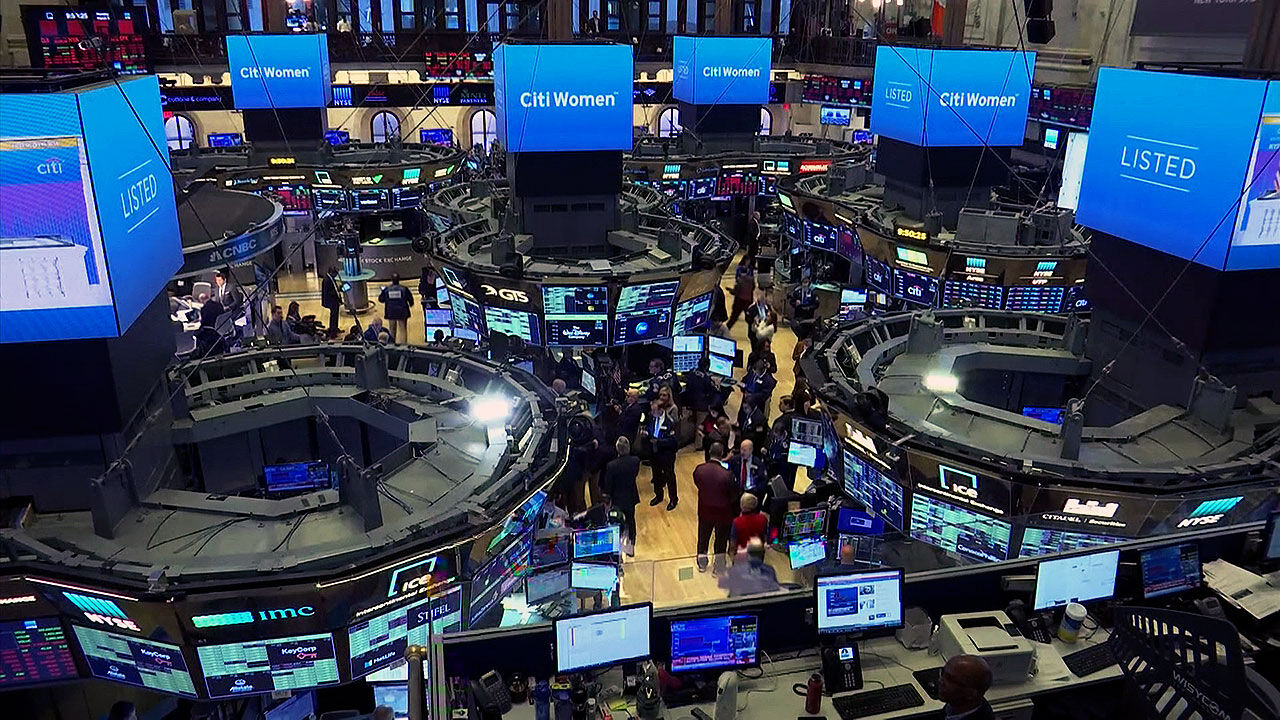
Trump Cleverly Exploits Legal Loopholes
The "STOCK Act" (Stop Trading on Congressional Knowledge Act), enacted in 2012, does apply to the president. This law prohibits all high-ranking public officials from trading stocks using non-public, confidential information obtained in the course of their duties. However, to apply this law, it must be proven that President Trump "directly" used the information to order the trades. As mentioned earlier, Trump's side claims that "the accounts are managed as 'fully discretionary accounts' operated by a third-party financial institution with independent authority". Therefore, the president's involvement in the stock trades would have to be uncovered through an investigation, which is highly unlikely to happen against a sitting president.
There is, however, a point where President Trump's side clearly violated federal law in this case. It is the "violation of disclosure obligations." Under the aforementioned Ethics in Government Act of 1978 and other regulations, high-ranking public officials, including the president, must submit a "periodic transaction report" within 45 days of making a stock transaction exceeding $1,000 to make it public. This is to allow citizens to monitor the connection between the president's policies and stock transactions in real time. President Trump quietly slipped this massive transaction, which occurred in April 2025, into his recent annual financial disclosure report, well past the legal deadline. However, the penalty for violating such a significant disclosure obligation is a mere $200 fine per violation. President Trump settled his legal liability by paying a small fine to the Office of Government Ethics.
Escaped Legal Liability, but What About Political and Moral Responsibility?
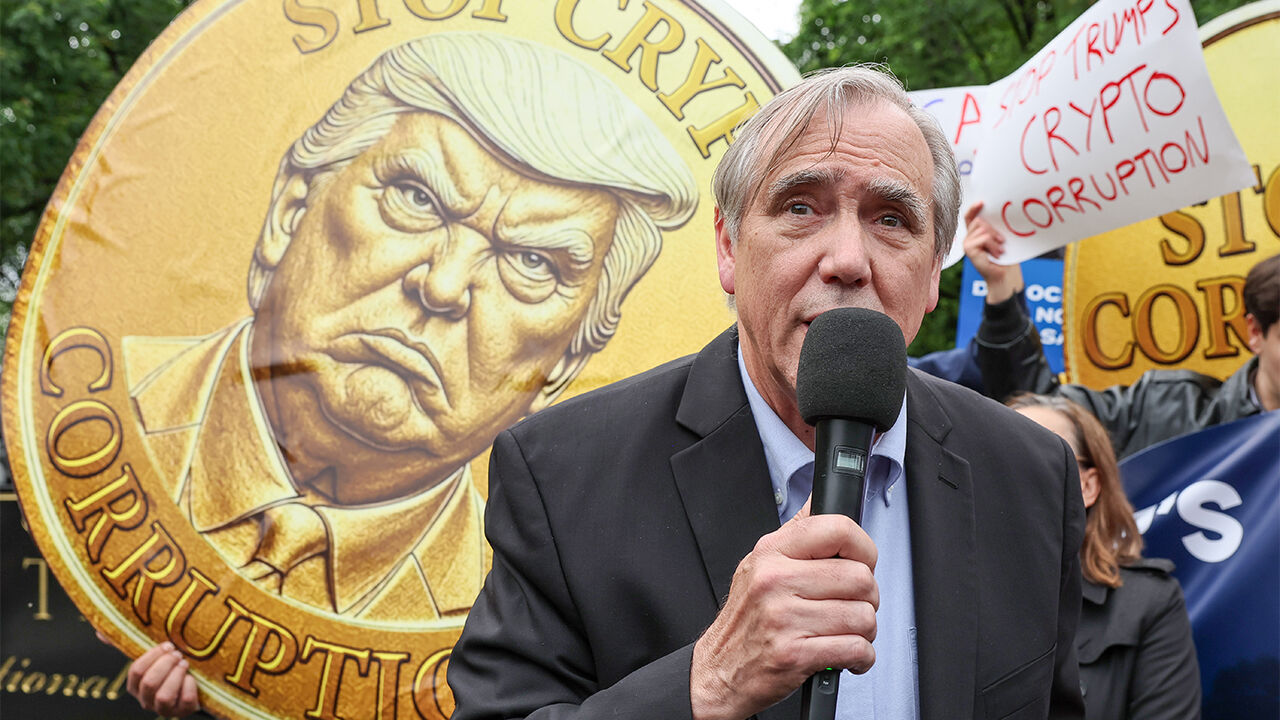
But is avoiding legal liability enough? For the past 40-odd years, U.S. presidents disposed of their assets or set up "blind trusts" not because "the law forced them to," but as a "voluntary custom to secure moral legitimacy as president and gain public trust." It was a sort of declaration that they would not seek private gain while performing their public presidential duties. President Trump threw away this moral obligation like a worn-out shoe. In addition to this "bulk stock purchase right before the tariff deferral measure" incident, it was also revealed that his family made nearly 2 trillion won from their cryptocurrency business. He is also drawing criticism for agreeing to receive a Boeing 747 passenger plane worth approximately 610 billion won as a gift from Qatar. It remains to be seen whether the American public will accept a president who grows his wealth while performing his duties as the "new normal," or if they will ultimately explode in anger and create a stricter prevention system.
※ Please note: This article was translated by AI and may contain errors.


 Video News
 Video News
 Video News
 Video News
 Video News