
 KOR
KOR
▲ A portrait of Ayatollah Ali Khamenei and an Iranian flag are displayed in the window of a bookstore in Tehran, Iran, on July 2, ahead of his funeral.
Iran will hold a funeral on July 4 for its former Supreme Leader, who was assassinated during the war with the United States and Israel.
Ayatollah Ali Khamenei, the former Supreme Leader of Iran, lost his life along with 12 members of his family in an Israeli airstrike on his residence on February 28, the first day of the war.
According to information released so far, the state funeral will begin on July 4 at the Mosalla prayer grounds in the capital, Tehran.
A funeral prayer service will be held on July 5, and the public will be allowed to pay their respects by passing by the body over the two days of July 4 and 5.
The procession will continue on July 6 through Qom and Shiite holy sites in Iraq, before concluding in Mashhad at the Imam Reza Shrine, where Ayatollah Khamenei will be laid to rest.
A massive crowd is expected to attend the funeral.
Iranian authorities are encouraging active public participation, and it is reported that patriotism, fueled by the war, is running high among the public.
Police have estimated that 17 million people will gather in Tehran alone this weekend, and the Mayor of Tehran has projected a turnout of up to 20 million.
Authorities expect between 18 million and 35 million people to participate across Tehran, Qom, Mashhad, and the holy sites of Najaf and Karbala in Iraq.
Iran had been unable to hold a funeral for Ayatollah Khamenei during the war, but scheduled the ceremony after airstrikes ceased due to a ceasefire with the U.S.
The United States and Iran signed a memorandum of understanding (MOU) on June 17 to observe a 60-day ceasefire while conducting final negotiations for an end to the war.
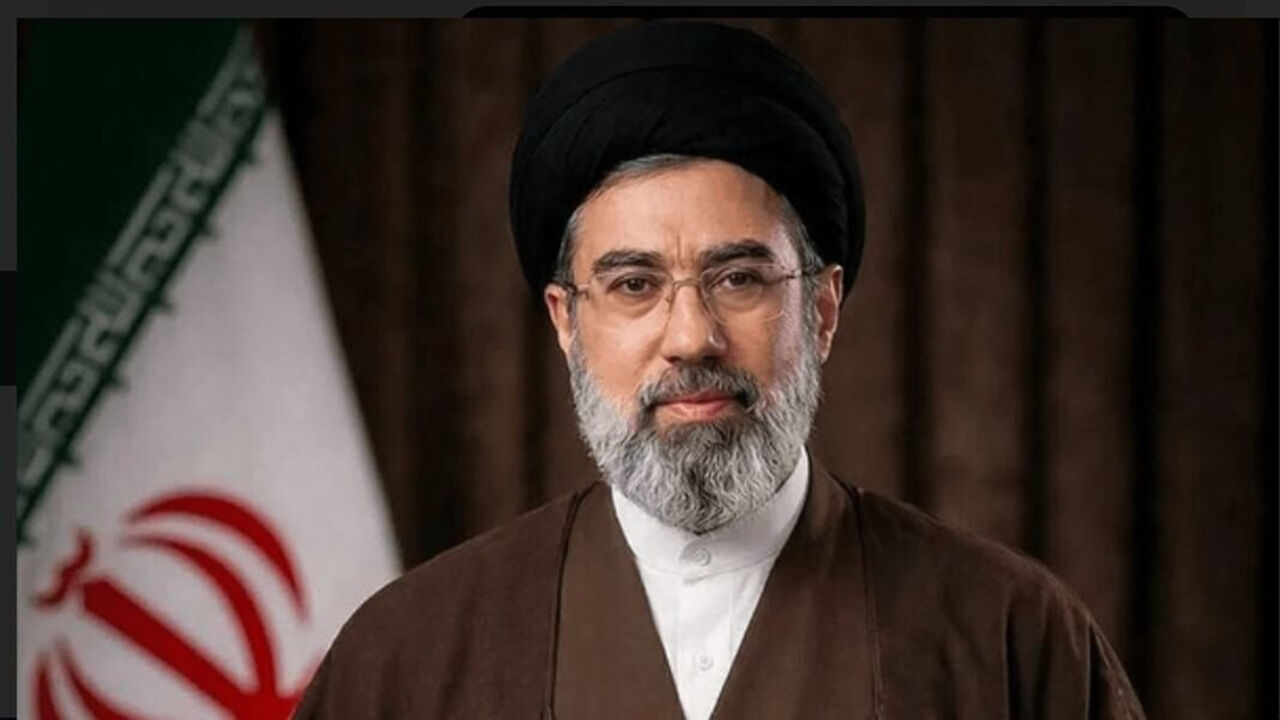
This funeral is expected to be a critical political test for Ayatollah Mojtaba Khamenei, the son and successor of Ayatollah Khamenei.
Having survived the targeted Israeli airstrike, he has not made a single public appearance since the outbreak of the war.
Amid speculation that he has been in hiding due to fears of assassination by the U.S. and Israel, rumors of his death or serious disability have been circulating.
Some security experts suggest that even if Ayatollah Mojtaba is alive, he may have lost his authority as Supreme Leader.
There is also analysis that the ongoing friction between hardliners and moderates within Iran regarding the ceasefire negotiations with the U.S. is a symptom of the weakening power of the Supreme Leader.
In this context, whether he will publicly appear at the funeral and preside over the ceremony is a matter of intense interest.
Furthermore, as Iran has scheduled the funeral on the day the U.S. celebrates its 250th Independence Day, attention is also focused on the message Ayatollah Mojtaba Khamenei might deliver.
(Photo: AP, Courtesy of the Office of the Supreme Leader of Iran, Yonhap News)
※ Please note: This article was translated by AI and may contain errors.



 Video News
 Video News

 Video News