
 KOR
KOR![Déjà Vu of a 2014 Nightmare: How to Avoid Repeating the Same Failures [Letter from Guadalajara ③]](https://img.sbs.co.kr/newimg/news/20260629/202196984_1280.jpg )
▲ South Korea national football team head coach Hong Myung-bo announces his resignation during a press conference at Chivas Valle Verde near Guadalajara, Mexico, on the morning of June 28 (local time), following the team's elimination from the 2026 North and Central America World Cup group stage.
I truly never imagined I would be writing my final letter from Guadalajara like this. This morning, instead of a post-tournament wrap-up press conference, head coach Hong Myung-bo released a statement announcing his resignation, and the national team split into several groups to rush home. On the television, I could hear the broadcast of the Round of 32 match between South Africa and Canada taking place in Los Angeles. We should have been there.
It reminds me of the 2014 World Cup in Brazil. Back then, the anger of football fans was also directed at head coach Hong Myung-bo. As the criticism reached its peak, the host nation, Brazil, suffered a humiliating 7-1 defeat to Germany in the semifinals. This was the so-called "Tragedy of Mineirão." Seeing the "Samba Army," which had dreamed of winning the title, collapse so miserably against the "German Tank" was truly shocking. I was even afraid, wondering if any violent incidents might occur in a country so obsessed with football.
However, what was even more shocking was the assessment given by former Brazilian national team player Juninho Paulista on the British public broadcaster BBC.
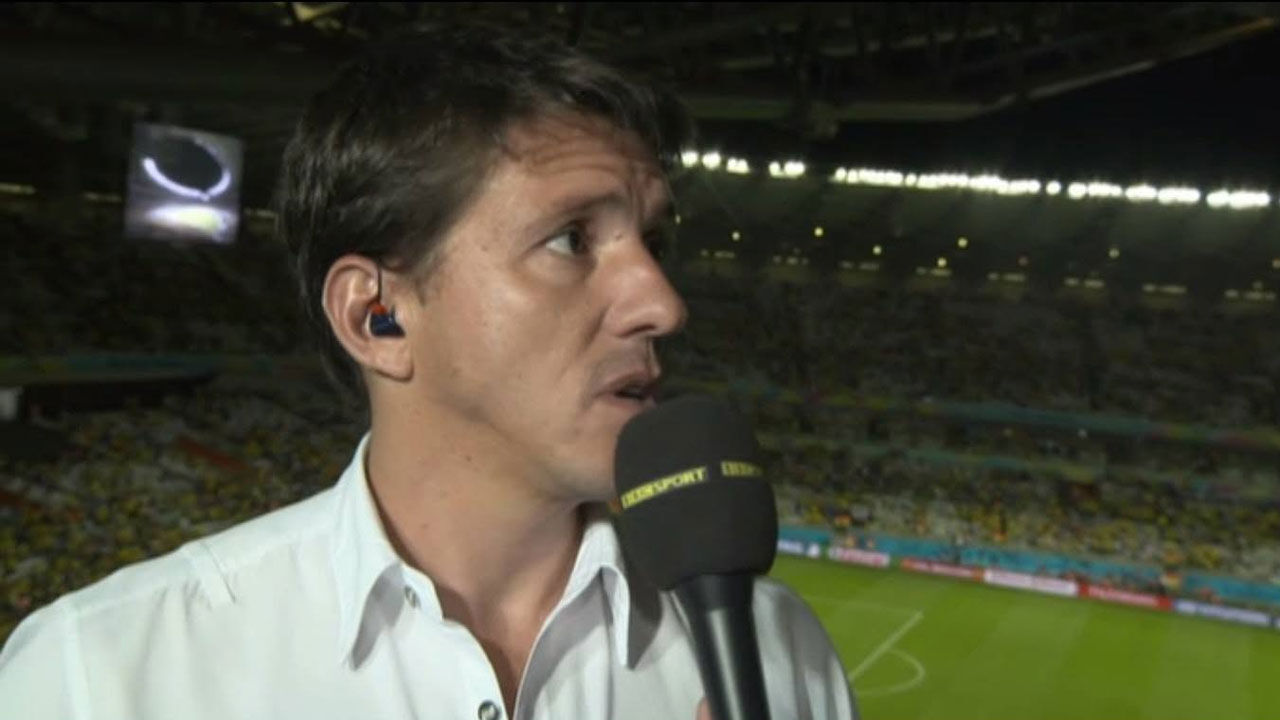
"It won't be easy to overcome this shock. Some players will never wear the Brazil jersey again. But it is wrong to blame the players right now. We saw it on the pitch today. Germany taught us how to play a football match. We have to learn from it. From the seven goals we conceded."
"We need now to sit back and analyze what went wrong. We must especially look at what is wrong with youth development and fix it."
After Juninho finished speaking calmly and composedly, the BBC reporter tried to wrap up the segment with words of consolation.
"You must be very heartbroken today. Thank you for your words."
At that moment, instead of saying goodbye, Juninho spoke up again.
"No. No. I love football. I have said before, 'I am a fan of German football.' So I am happy. Because this is the result that football deserves. We need to be calm. And we need to carefully find out what the problem is with Brazilian football."
Back then, we were not as calm or prudent as Juninho. We dug into head coach Hong Myung-bo's personal life, criticized his work ethic, and mocked and insulted him by framing his team as "loyalty football." In the process, we let the time to properly examine the real problems of Korean football slip away.
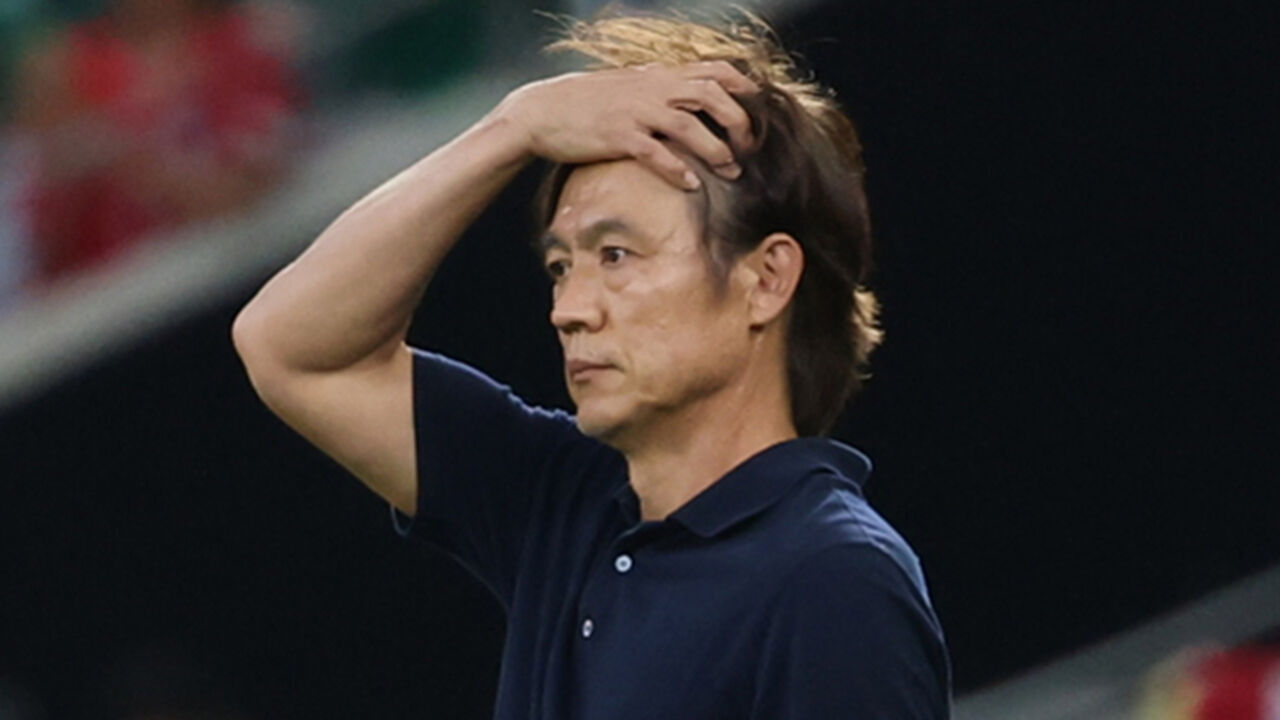
It feels as if the nightmare from 12 years ago is repeating itself. Social media is rampant with all sorts of insults and threats. Influencers, celebrities, and even football figures who played alongside coach Hong and the current national team players are all rushing to escalate the level of criticism. Such "refreshing" insults might represent the angry public sentiment right now and feel like scratching an itch. However, if we continue like this, we might repeat the same situation 12 years from now.
Politicians are, as usual, preparing for hearings and calling for fact-finding investigations. They talk about renewal, innovation, responsibility, and reform, but I remember that when the stage is actually set, it is filled with humiliation, intimidation, threats, and shouting. Of course, the current anger could and should be a major driving force to fix the foundations of Korean football. However, I am reminded once again of Juninho's words from 12 years ago.
"We need now to sit back, see what's wrong with Brazil football which is something wrong. It is not because of this defeat. There's something wrong especially in the Academy, the way to play."
"We need to calmly look into what is wrong with our football from now on. It is not because we lost today. There is clearly something wrong with our youth education and the way we play."
After Belgian football received the report card of being the first host nation in history to be eliminated in the group stage at Euro 2000, they devoted themselves entirely to finding the problems for two whole years. The volume of youth football footage collected and analyzed by the Belgian Football Association at the time reached a staggering 1,600 hours. They developed policies based on this, and we must not forget that the result was the emergence of a "Golden Generation" featuring players like Kompany, Hazard, and De Bruyne.
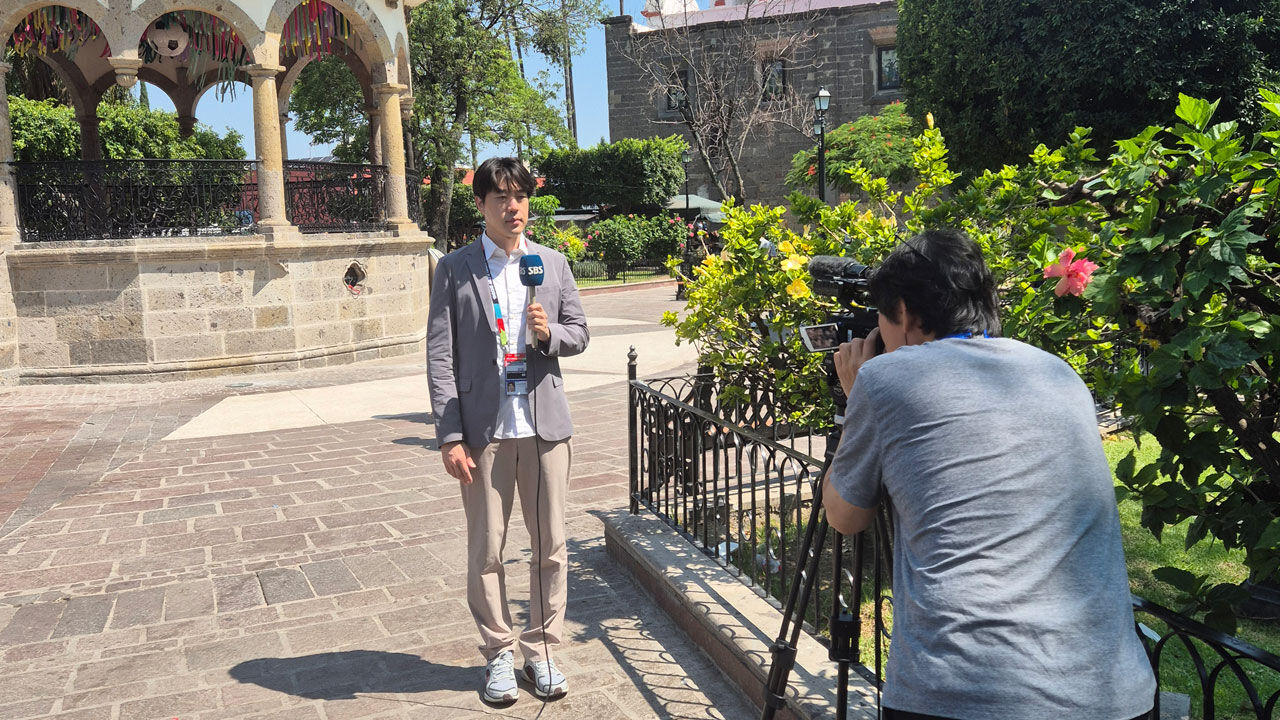
June 28, 2026.
Sincerely, Lee Jung-chan from Guadalajara
(Photo: Yonhap News)
※ Please note: This article was translated by AI and may contain errors.

 Video News
 Video News


![Park Hang-seo Apologizes Before Cameras Following National Team's World Cup Elimination [Sports Mug]](http://img.sbs.co.kr/newimg/news/20260629/202197073_300.jpg) Video News
Video News