
 KOR
KOR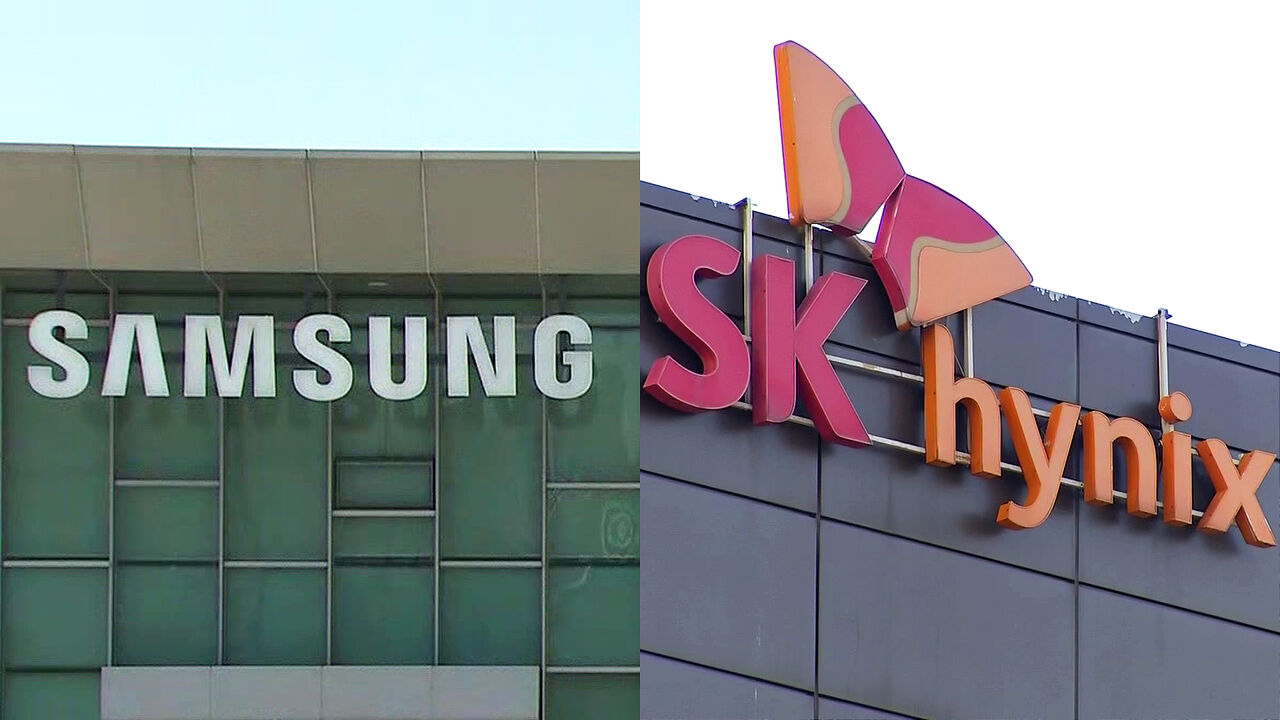
▲ Samsung Electronics and SK Hynix
Amid the ongoing semiconductor boom driven by the artificial intelligence (AI) craze, The New York Times (NYT) has published an in-depth report spotlighting Chungbuk Semiconductor High School in Eumseong-gun, North Chungcheong Province.
The newspaper introduced the school as the oldest of the four Meister high schools in South Korea specialized in the semiconductor industry, having been designated as such in 2010.
Located about two hours from Seoul, the school is equipped with dormitories for its 300 students and six simulated semiconductor facility training centers.
With the construction boom of AI data centers leading to record-breaking prosperity for the South Korean semiconductor industry, spearheaded by Samsung Electronics and SK Hynix, interest in the school has surged significantly.
The NYT reported that inquiries for admission have more than tripled over the past year, and requests for visits from those looking to learn from the school's operational model—including a crew from a Chinese state-owned broadcaster—have been constant.
"It feels like our school has become the hottest school in Korea right now," Principal Seo Woon-seok told the NYT.
The NYT specifically mentioned the large performance bonuses recently received by employees at Samsung Electronics and SK Hynix, noting that securing a job at these two companies is often compared to "winning the lottery" due to the extreme difficulty of the process.
The report explained that every year, 20 top-performing first-year students are selected for an internship program that includes scholarships from the two companies.
Other students go through a highly competitive national recruitment process involving exams and interviews. One teacher shared that students prepare for these exams from 9:00 a.m. to 9:00 p.m. every day for an entire month.
When graduates return to the school and share stories of receiving performance bonuses worth hundreds of millions of won—even offering to pay for the meals of several people—it serves as a moment that convinces current students that they made the right choice.
"It is not easy to hear a former student who has been working for a year talk about a performance bonus that is larger than my entire annual salary," Principal Seo said.
Meanwhile, the NYT also shed light on the uncertain job outlook behind the semiconductor industry's boom.
While the government has pledged to foster the Yongin Semiconductor Cluster into the world's largest high-tech semiconductor hub through comprehensive support, and companies mentioned last year that Samsung Electronics would create 60,000 jobs over five years and SK Hynix would create up to 20,000 new jobs annually, the newspaper noted that some experts are skeptical about the feasibility of these job creation targets.
The concern is that semiconductor manufacturing is a capital-intensive, rather than labor-intensive, industry, and as production processes become increasingly automated, the total number of jobs could actually decrease—a reality already being felt by subcontractors.
An official at XT, a maintenance subcontractor for Samsung Electronics, told the NYT, "It has actually become harder to hire new employees this year," adding that the trickle-down effect of the semiconductor boom barely reaches subcontractors.
"If equipment with advanced self-cleaning functions is introduced, our jobs might disappear in the future," the official said, expressing their anxiety.
※ Please note: This article was translated by AI and may contain errors.



 Video News
 Video News
 Video News