
 KOR
KOR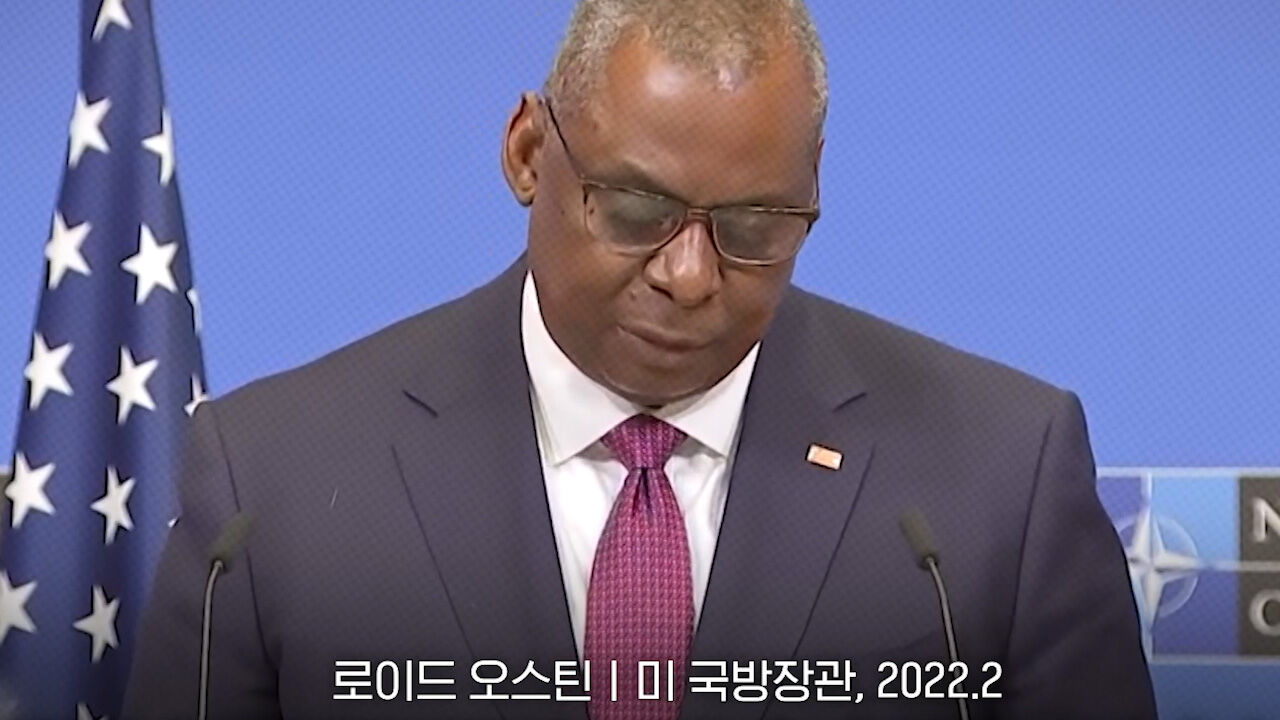
Lloyd Austin / U.S. Secretary of Defense (Feb. 2022)
They are sharpening their combat readiness in the Black Sea, and they are even stocking up their blood supplies. You don't do these sorts of things if you are preparing to pack up and go home.
This means that a country preparing for war prepares blood first. So, what about the United States now? Today, we are going to talk about "artificial blood," something the U.S. Department of Defense is spending tens of millions of dollars to research.
Why Is 'Blood' So Important in War?
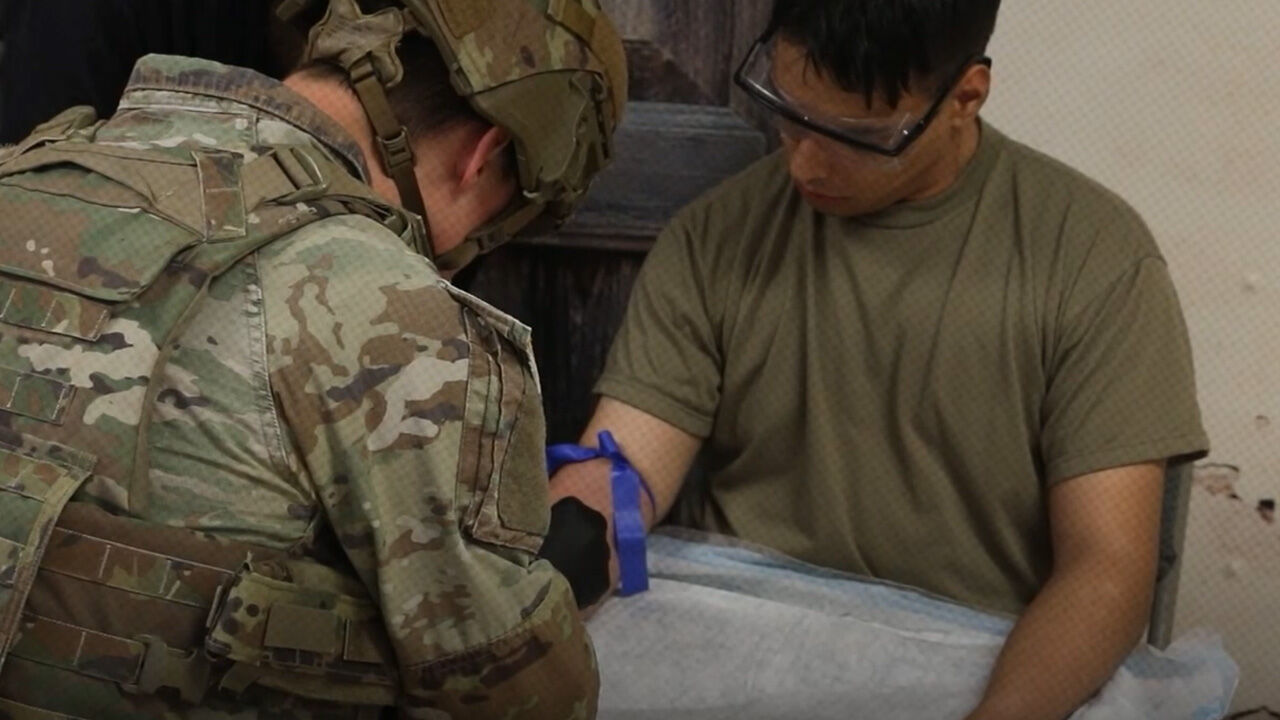
In war, "blood" is just as important as weapons. In particular, the U.S. military identifies hemorrhaging (bleeding) as the leading cause of preventable death on the battlefield. This means that more lives could be saved if the wounded received timely blood transfusions. According to a U.S. study analyzing casualties from the wars in Iraq and Afghanistan, 87% of those killed died before even reaching a medical facility. In other words, the goal is to transfuse blood within what we commonly call the "golden hour" to save those who can be saved.
Is Donated Blood Alone Not Enough?
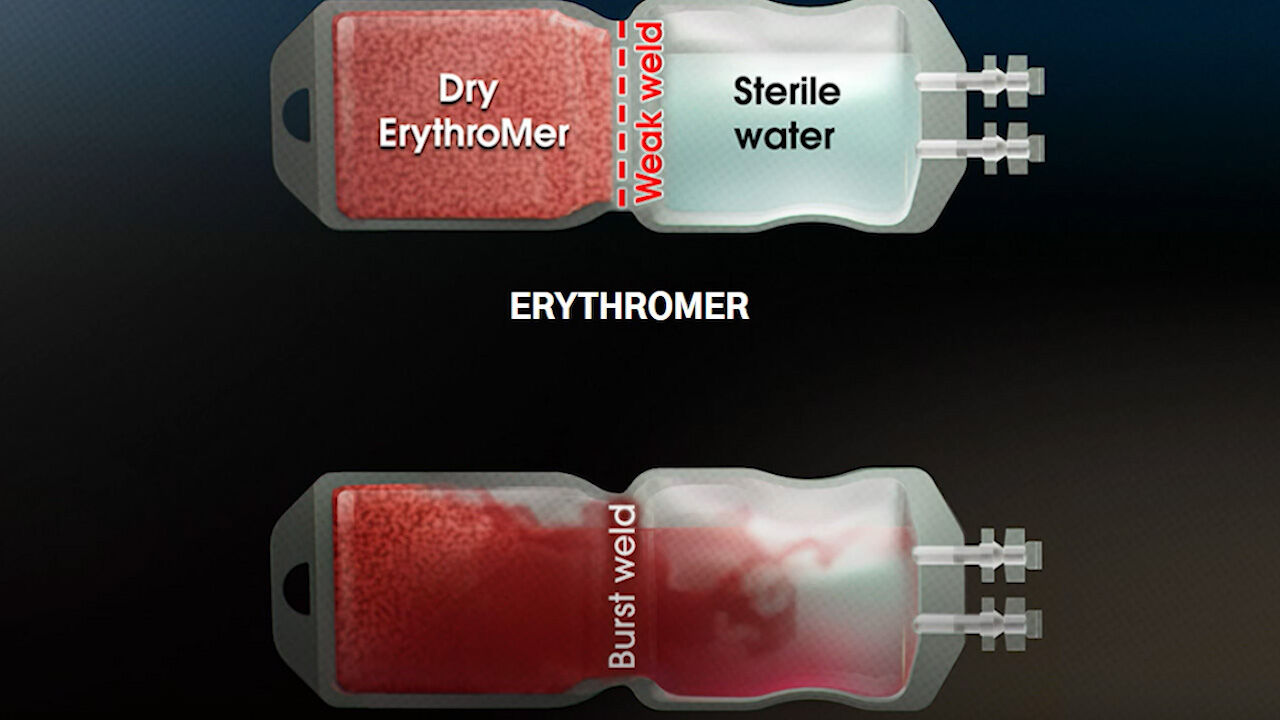
This is in powder form, not liquid. It can be carried around and then mixed with saline solution to be transfused directly into the wounded when needed. DARPA has invested more than $46 million in a consortium of universities and companies developing this artificial blood, and recently announced that it has confirmed its efficacy in animal testing.
The 'Big Picture' the U.S. Military Is Looking At
Ted Budd / U.S. Senator
I recently visited DARPA and heard about the artificial blood program. What preparations is the Navy making to ensure sufficient blood supplies in the event of large-scale operations or combat in the Pacific?
Admiral Daryl Caudle / Chief of Naval Operations
I also recently visited DARPA and received the same briefing. That is FSHARP. The development of artificial blood and synthetic platelets is key to battlefield survivability, especially in securing the 'golden hour' in the vast Indo-Pacific region. That is why I am very interested in artificial blood products. I don't think we have reached the stage of actual deployment yet. The Defense Health Agency (DHA) also recognizes the importance of this program. Both General Smith and I are focused on this issue. Saving the lives of our naval forces is critical.
The key point to note here is the phrase "securing the 'golden hour' in the Indo-Pacific." This is the very "golden hour" we often refer to as the golden time. While artificial blood would be helpful on any battlefield, specifically pointing out the Indo-Pacific—where Taiwan is located—suggests that they are keeping a potential conflict between the U.S. and China in mind. In fact, during last month's U.S.-China summit, President Xi Jinping warned the U.S. regarding the Taiwan issue, saying that "mishandling it could lead to conflict."
What If a War Breaks Out in the Taiwan Strait?
"Artificial Blood Is the Holy Grail of Battlefield Medicine"
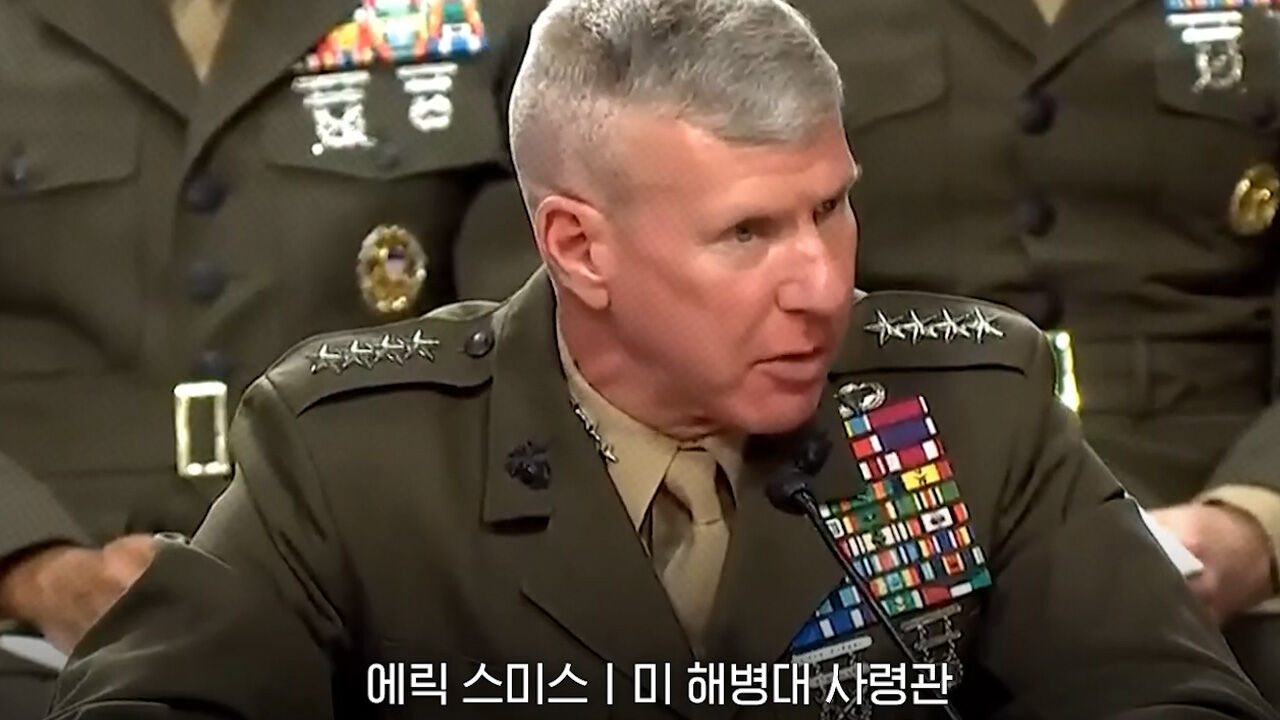
General Eric Smith / Commandant of the U.S. Marine Corps
"Room-temperature storable blood products are the 'holy grail' of battlefield medicine. When I was wounded in 2004, I almost bled to death, but I survived after receiving a blood transfusion at a hospital in Baghdad. If we had been able to use room-temperature blood products in the field, it would have been much better. This technology is the true 'holy grail' of battlefield medicine."
It remains to be seen whether the United States can truly change the "game of battlefield medicine." We will have to watch what role this "new blood" will play in future conflicts around the world.
※ Please note: This article was translated by AI and may contain errors.



 Video News
 Video News
 Video News